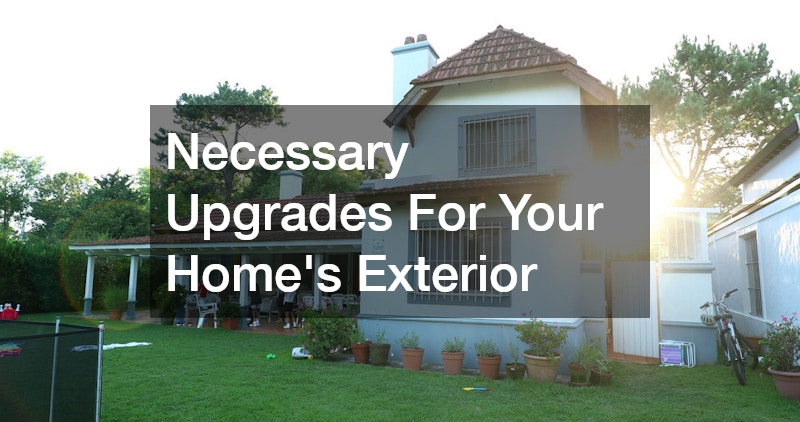
Your home’s exterior does far more than create curb appeal. It protects everything and everyone inside from weather, moisture, pests, and structural stress. Over time, even well-built exteriors need upgrades to remain functional, efficient, and safe. Whether you live in an older house or a newer build, thoughtful improvements to the outside of your home can prevent expensive repairs, improve energy efficiency, and increase property value.
Exterior upgrades aren’t always glamorous. Some involve behind-the-scenes systems that you rarely think about until something goes wrong. Others are visible enhancements that boost aesthetics and functionality at the same time. In this guide, we’ll explore the most necessary exterior upgrades homeowners should consider, why they matter, and how they work together to protect your investment for the long term.
- Strengthening Structural Integrity From the Ground Up
- Protecting Your Home From Moisture and Water Intrusion
- Roofing Upgrades That Go Beyond Shingles
- The Importance of Functional and Durable Gutters
- Exterior Masonry and Surface Enhancements
- Addressing Wastewater and Septic System Concerns
- Enhancing Outdoor Utility and Functional Spaces
- Modern Technology in Exterior Measurement and Planning
- Managing Exterior Water Systems and Equipment
- Long-Term Protection Against Environmental Damage
- Coordinating Professional Services for Best Results
- Investing in Safety, Value, and Peace of Mind
- Final Thoughts on Exterior Home Upgrades
Strengthening Structural Integrity From the Ground Up
A strong exterior starts with what’s closest to the ground. Soil stability, drainage, and foundational materials all influence how your home weathers time and storms. If your property has experienced erosion, shifting soil, or flooding, exterior upgrades should begin with ground-level improvements.
In some cases, homeowners turn to land clearing companies to remove overgrown vegetation, trees with invasive roots, or uneven terrain that puts pressure on foundations and retaining walls. Clearing and regrading land improves water flow away from the home and creates a stable base for future exterior projects like patios, walkways, or fences. These services also reduce the risk of pests and moisture buildup near structural elements.
Once the land is properly prepared, attention often turns to foundational repairs or reinforcements. This may involve concrete work, drainage systems, or the use of specialized masonry supply materials to restore or strengthen stone and brick structures. Quality masonry components ensure that walls, steps, and supports remain solid and resistant to weather damage for decades.
Protecting Your Home From Moisture and Water Intrusion
Water is one of the most destructive forces your home faces. Even small leaks or pooling water can lead to major issues if left unaddressed. Exterior upgrades that focus on water management are some of the most important investments a homeowner can make.
One of the first areas to inspect is how water moves around your property during rainfall. Improper grading, clogged drainage, or failing systems can lead to water intrusion and eventual interior damage. When moisture problems have already occurred, homeowners may need professional water damage cleaners to address mold, rot, and contamination before upgrading exterior defenses. Cleaning and remediation ensure that new upgrades aren’t compromised by hidden damage.
Drainage systems also depend on mechanical components that often go unnoticed. Sump pumps, exterior pumps, and irrigation-related systems sometimes require a water pump repair service to keep everything functioning properly. A failing pump can allow water to accumulate around the foundation, increasing the risk of cracks and basement flooding. Regular inspection and timely repairs are essential to keeping moisture under control.
Roofing Upgrades That Go Beyond Shingles
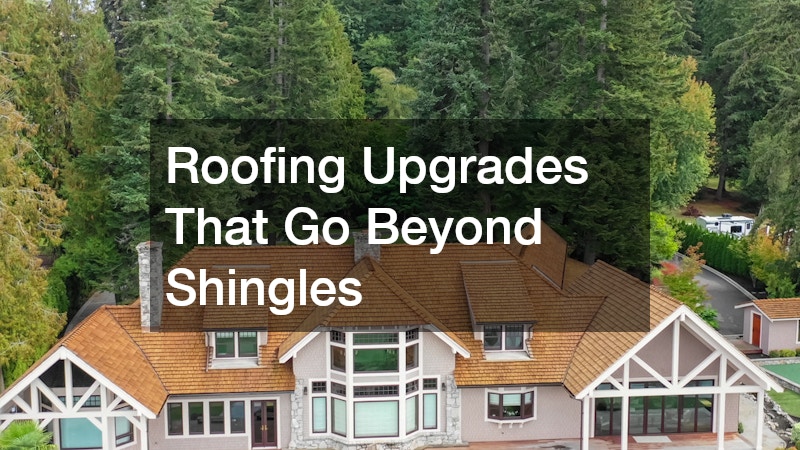
Your roof is one of the most visible and critical exterior components. It shields your home from rain, snow, sun, and wind, and its condition affects everything below it. While replacing worn shingles is a common upgrade, modern roofing improvements go far beyond surface materials.
Experienced roofing companies now focus on complete roofing systems rather than just coverings. This includes underlayment, flashing, ventilation, and insulation integration. Upgrading these elements improves energy efficiency and extends the lifespan of the roof itself. Proper ventilation prevents heat and moisture buildup, which can otherwise damage structural components and increase cooling costs.
Regular inspections by roofing professionals can identify small issues before they become major leaks. In storm-prone regions, upgrades like impact-resistant shingles or reinforced flashing can dramatically reduce repair costs after severe weather. Investing in a high-quality roofing system is one of the smartest exterior decisions a homeowner can make.
The Importance of Functional and Durable Gutters
While roofs handle the first line of defense against rain, gutters manage where that water goes next. Outdated or damaged gutter systems can cause water to overflow, leading to foundation erosion, siding damage, and basement leaks.
Upgrading residential gutters improves both performance and appearance. Modern systems are available in seamless designs, durable materials, and styles that complement your home’s exterior. Properly sized gutters and downspouts ensure that water is directed far away from the foundation, protecting structural integrity.
Maintenance matters just as much as installation. Clogged or sagging gutters reduce effectiveness, so many homeowners choose upgrades that include gutter guards or improved mounting systems. When residential gutters function correctly, they quietly prevent thousands of dollars in potential water damage over the life of a home.
Exterior Masonry and Surface Enhancements
Brick, stone, and concrete surfaces add beauty and durability to a home’s exterior, but they also require maintenance and occasional upgrades. Cracked mortar, shifting stones, or weathered surfaces can allow moisture to penetrate and weaken structural elements.
Upgrading masonry features often involves repointing, resurfacing, or rebuilding sections using high-quality masonry supply materials. Whether it’s a front walkway, retaining wall, chimney, or exterior steps, refreshed masonry improves safety and appearance simultaneously. Using the right materials ensures resistance to freeze-thaw cycles, moisture absorption, and erosion.
Exterior masonry upgrades also provide opportunities to enhance design. Decorative stonework, upgraded pavers, or modern concrete finishes can transform outdoor spaces while still serving practical purposes. When properly installed, these improvements can last generations with minimal maintenance.
Addressing Wastewater and Septic System Concerns

Not all exterior upgrades are visible, but some are absolutely critical. Homes that rely on septic systems must pay close attention to how waste is processed and discharged. Ignoring warning signs can lead to serious health hazards and costly repairs.
A septic back up is one of the most unpleasant problems a homeowner can face. It often results from aging systems, clogged lines, or saturated drain fields. Preventative upgrades may include improved drainage, system expansion, or modern components designed to handle increased household demand.
Working with experienced septic companies ensures that inspections, repairs, and upgrades meet local regulations and environmental standards. These professionals can recommend system improvements that reduce the risk of backups and extend the lifespan of the entire setup. Exterior upgrades related to septic systems may not be glamorous, but they are essential for long-term livability.
Enhancing Outdoor Utility and Functional Spaces
Exterior upgrades aren’t limited to protection and maintenance; they also improve how you use your property. Outdoor living spaces, workshops, and utility areas can benefit greatly from thoughtful enhancements.
For homeowners with detached garages, workshops, or metal structures, having access to proper welding supplies can make exterior improvements more durable and customizable. Welding allows for reinforced gates, custom railings, equipment mounts, and structural repairs that standard fasteners can’t handle. Strong welds increase safety and longevity for outdoor installations exposed to the elements.
Utility-focused upgrades might also include improved fencing, storage sheds, or covered work areas. These additions protect tools and equipment from weather while expanding the functional footprint of your property. When done correctly, they blend seamlessly with the rest of the exterior design.
Modern Technology in Exterior Measurement and Planning
Accurate planning is key to successful exterior upgrades, especially for larger projects involving grading, fencing, or sports and recreation areas. Modern tools have made measurement and layout more precise than ever.
For properties that include long driveways, open yards, or custom outdoor installations, laser timing gates and similar measurement technologies help contractors achieve accurate spacing and alignment. While often associated with athletic or industrial settings, these tools are increasingly used in residential projects to ensure precision over large distances.
Using advanced measurement methods reduces errors, material waste, and costly revisions. Homeowners benefit from cleaner lines, better symmetry, and professional-quality results that enhance both appearance and function.
Managing Exterior Water Systems and Equipment

Beyond drainage and roofing, many homes rely on exterior water systems for irrigation, wells, or flood prevention. These systems require regular attention to remain reliable.
A dependable water pump repair service can be the difference between a dry basement and a flooded one during heavy rains. Pumps that support exterior drainage, irrigation, or emergency systems should be inspected periodically and upgraded when they show signs of wear. Modern pumps are often more energy-efficient and capable of handling higher loads.
Upgrading water systems also improves sustainability. Efficient pumps reduce energy use, while better controls prevent overwatering and runoff. These improvements protect both your property and the surrounding environment.
Long-Term Protection Against Environmental Damage
Environmental exposure is relentless. Sun, wind, rain, and temperature changes all take a toll on exterior materials over time. Proactive upgrades help mitigate these effects and reduce maintenance costs.
When exterior surfaces have already suffered damage, professional water damage cleaners may be needed again to address hidden issues before applying protective coatings or replacements. Proper preparation ensures that new materials adhere correctly and perform as expected.
Coatings, sealants, and protective finishes extend the life of siding, masonry, and wood elements. Combined with regular inspections and maintenance, these upgrades create a resilient exterior capable of withstanding harsh conditions year after year.
Coordinating Professional Services for Best Results
Many exterior upgrades require coordination between different trades and specialists. From excavation to finishing, each step plays a role in the final outcome.
For example, land clearing companies may prepare a site before foundation or drainage work begins. Roofing companies might coordinate with gutter installers to ensure seamless water management. Septic companies often work alongside landscapers to restore disturbed areas after system upgrades.
Clear communication and planning prevent delays and reduce costs. Homeowners who take a comprehensive approach to exterior upgrades often see better results than those who tackle projects in isolation.
Investing in Safety, Value, and Peace of Mind

Exterior upgrades are more than cosmetic improvements. They protect your home, improve daily comfort, and preserve property value. While some upgrades address immediate concerns, others are preventative investments that save money over time.
Strong masonry, reliable drainage, durable roofing, and functional residential gutters all work together to create a resilient exterior envelope. Behind the scenes, properly maintained septic systems, pumps, and structural supports ensure that your home operates safely and efficiently.
Even specialized tools and materials, from welding supplies to advanced measurement technologies like laser timing gates, play a role in achieving high-quality results. When upgrades are planned thoughtfully and executed professionally, they provide peace of mind that extends far beyond appearances.
Final Thoughts on Exterior Home Upgrades
Your home’s exterior is a complex system of materials, structures, and utilities that must work together to protect what matters most. Ignoring one area often leads to problems in another, which is why a holistic approach to upgrades is so important.
Whether you’re addressing immediate concerns like a failing roof or planning long-term improvements to drainage, masonry, or wastewater systems, each upgrade contributes to the overall health of your home. Regular inspections, professional guidance, and timely repairs make all the difference.
By investing in necessary exterior upgrades today, you’re not just improving how your home looks—you’re ensuring its safety, durability, and value for years to come.