
Every year you postpone a home remodel, the price tag quietly grows, and the risks multiply. Materials cost more, labor gets harder to book, and small problems left untouched have a habit of turning into expensive emergencies. If you have been telling yourself “next year” for a while now, it is worth understanding exactly what that delay is costing you in dollars, comfort, and peace of mind.
This article breaks down the real, measurable costs of waiting so you can make a clear-eyed decision about when to start.
- Rising Material and Labor Prices Erode Your Budget
- Aging Exteriors Invite Bigger Structural Problems
- Deferred Roof Repairs Compromise Your Whole Home
- Outdated HVAC Systems Drain Energy and Comfort
- Neglected Plumbing Fixtures Lead to Costly Failures
- Worn Outdoor Living Spaces Limit Your Home’s Value
- Delayed Garage Door Upgrades Raise Security and Safety Risks
- Unbuilt Storage Solutions Cost You Convenience and Money
- Comparing Multiple Contractor Quotes Saves Money Over Time
Rising Material and Labor Prices Erode Your Budget
Construction material costs rarely move in your favor over time. Lumber, roofing materials, siding panels, and fixtures tend to climb year over year due to inflation, supply chain shifts, and demand spikes. Industry reports have shown swings of 5% to 15% annually on common building materials, and specialty items like custom windows or high-end siding can jump even more when manufacturers face shortages.
Labor follows the same trajectory. Skilled contractors, electricians, and plumbers are in limited supply in most markets, and as demand for renovation work grows, so do hourly rates and project bids. A crew that quotes you a fair price today may raise that estimate next year simply because their schedule is full and their own costs, including insurance, fuel, and materials, have gone up.
What feels like a reasonable estimate today can look like a bargain compared to the same project quoted twelve months from now. Waiting to save a little extra cash often backfires because the project cost outpaces your savings rate. Even a modest 8% increase in materials and labor can erase months of careful budgeting, leaving you further from your goal than when you started.
Labor is the other half of the equation, and skilled tradespeople are not getting cheaper either. Electricians, plumbers, and experienced carpenters have seen wages climb steadily as demand for renovation work continues to outpace the supply of licensed, qualified workers entering the trades. Industry surveys have shown labor costs rising 3-6% annually in many markets, and that trend shows no sign of reversing.
Reputable contractors book up months in advance, and rescheduling delays often push your project into a season with even higher demand. Spring and early summer are typically the busiest — and priciest — windows, since so many homeowners want work finished before holidays or resale listings. Waiting even a few months can mean the difference between securing a contractor’s off-season rate and paying a premium just to get on the calendar.
There’s also a compounding effect worth considering: delayed projects often force homeowners into rushed decisions later, accepting whichever crew is available rather than the one best suited to the job. That can mean settling for a less experienced team, paying rush fees, or tolerating a lower-quality installation. The homeowners who move early tend to lock in better pricing, better crews, and the flexibility to choose who actually does the work.
- Material costs for framing lumber, roofing, and siding have historically climbed several percentage points annually, and supply disruptions can push certain items even higher in a single season
- Delaying a mid-size renovation by just one year can add thousands of dollars to your final bill once materials, permits, and labor are all factored in
- Popular contractors raise their rates as demand increases, especially during the busy spring and summer remodeling season
- Booking early or off-season (like late fall or winter) can sometimes lock in lower labor rates before the seasonal rush hits
- Waiting rarely gives you leverage to negotiate a better deal later, since suppliers and crews have little incentive to lower prices once demand is high
- Even a small delay can mean paying this year’s low quote versus next year’s higher one, turning “waiting to save up” into a more expensive decision overall
Aging Exteriors Invite Bigger Structural Problems

Your home’s exterior is its first line of defense, and small issues here compound quickly. Cracked paint or warped trim boards that seem purely cosmetic today can let moisture behind the wall assembly, leading to rot, mold, and insulation damage that costs far more to fix than the original repair would have. Homeowners who address exterior cladding issues proactively often spend a fraction of what those with water-damaged framing eventually pay. Catching these issues early is one of the simplest ways to protect your investment.
Rooflines suffer from the same slow-motion neglect. A handful of missing shingles or a small leak might not seem urgent, but water finds its way into decking, insulation, and ceilings over time. Reaching out to roofing companies for an inspection before damage spreads is far cheaper than a full tear-off after a winter of freeze-thaw cycles.
- Moisture intrusion behind exterior walls can cause structural rot that is hidden until it’s severe
- Small roof leaks often double in repair cost every season they go unaddressed
- Cracked caulking and gaps around windows let drafts and water sneak into the structure
- Early inspections catch problems while they are still inexpensive to fix
Deferred Roof Repairs Compromise Your Whole Home
The roof is one of the most expensive systems to replace, which is exactly why so many homeowners put off addressing it. But delaying roof work rarely saves money in the long run. A minor leak ignored for a year can spread into attic insulation, drywall, and even electrical systems, turning a four-figure repair into a five-figure rebuild. Getting a second opinion from roofing contractors before winter hits can help you understand whether you are looking at a patch job or a full replacement.
Timing matters just as much as the decision itself. Scheduling roof work in the off-season, rather than waiting until a storm forces your hand, often means better pricing and more flexibility in material choices. Waiting until an emergency strikes takes that flexibility away entirely.
- Attic insulation damaged by leaks loses effectiveness and raises energy bills
- Emergency roof replacements after storm damage often cost more due to demand surges
- Off-season scheduling gives you more negotiating power and material options
- A roof inspection every one to two years catches wear before it becomes a leak
Outdated HVAC Systems Drain Energy and Comfort
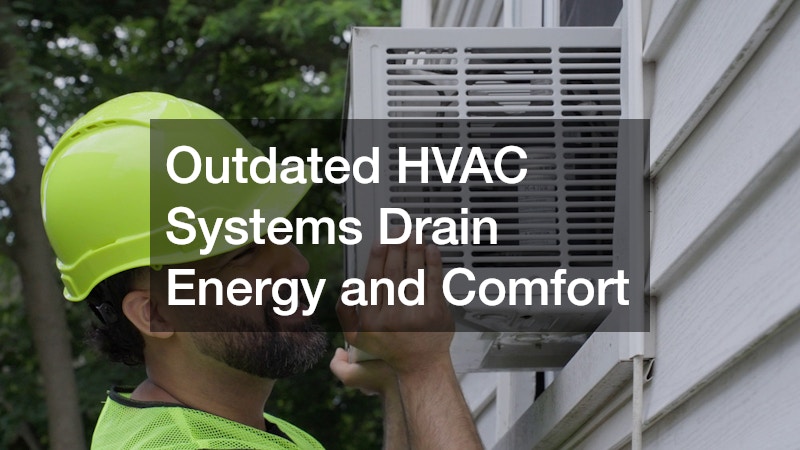
An aging HVAC system does not fail all at once; it degrades gradually, working harder and costing more to run each year. If your unit is over ten years old, it is likely operating well below its original efficiency rating, and that inefficiency shows up directly on your utility bills. Scheduling a routine AC service before peak summer heat can catch worn components before they cause a full breakdown at the worst possible time. Waiting until the system fails completely often means paying premium emergency rates for both labor and replacement parts.
There is also a comfort cost that is easy to underestimate. Inconsistent temperatures, poor airflow, and constant cycling all point to a system straining to keep up. Addressing these issues now, rather than pushing through another uncomfortable season, pays off in both comfort and long-term equipment life.
- HVAC systems lose roughly five percent efficiency for every year past their tenth year
- Emergency breakdowns during heat waves often come with higher repair costs
- Regular maintenance can extend system life by several years
- Poor airflow and inconsistent temperatures are early warning signs of decline
Neglected Plumbing Fixtures Lead to Costly Failures
Plumbing problems have a way of hiding in plain sight until they become emergencies. A water heater that is struggling to keep up with demand, making strange noises, or showing rust around the tank is signaling that a failure is coming. Scheduling water heater repair at the first sign of trouble is almost always cheaper than dealing with a full tank rupture, which can also cause water damage to floors, cabinets, and walls. That secondary damage is often the more expensive part of the whole ordeal.
Beyond the tank itself, aging plumbing throughout the home tends to become less efficient and more prone to leaks. Waiting another year on a known issue rarely makes it go away; it simply gives the problem more time to worsen and spread into areas that are harder and more expensive to repair.
- Rust-colored water or banging noises often signal a failing water heater
- A ruptured tank can cause thousands in flooring and drywall damage
- Tankless and high-efficiency replacements can lower monthly utility costs
- Annual flushing and inspection extend the lifespan of most water heaters
Worn Outdoor Living Spaces Limit Your Home’s Value

Outdoor spaces are one of the first things buyers and neighbors notice, and they are also one of the easiest areas to let slide. A deck with soft boards, loose railings, or visible warping is not just a cosmetic issue; it is a safety concern that gets worse with every freeze-thaw cycle. Bringing in one of the best deck builders in your area for an assessment can clarify whether you are looking at a repair or a full rebuild, and doing it sooner avoids the structural failures that come with prolonged neglect.
Fencing suffers from similar wear patterns, especially wood fencing exposed to moisture and sun. Leaning posts, rotting sections, and failing gates do more than hurt curb appeal; they compromise security and privacy. Replacing fencing before it fully fails is generally far less disruptive and less expensive than an emergency replacement after a storm knocks sections down.
- Soft or spongy deck boards are an early sign of structural rot
- Loose railings and stairs are common safety hazards on aging decks
- Leaning fence posts often indicate soil erosion or footing failure
- Replacing fencing proactively avoids emergency costs after storm damage
Delayed Garage Door Upgrades Raise Security and Safety Risks
The garage door is one of the largest moving objects in most homes, and a worn one poses both safety and security risks. Frayed cables, slow response times, or a door that no longer seals properly at the bottom all point to components nearing the end of their service life. Scheduling garage door installation before a full failure happens means you can choose the timeline, the style, and the budget, rather than being forced into a rushed decision when the door stops working entirely.
There is also an energy and insulation angle that homeowners often overlook. Older garage doors, especially uninsulated models, let outside temperatures seep into attached garages and sometimes into adjoining living space. Upgrading sooner rather than later can noticeably improve comfort in rooms next to the garage while reducing strain on your HVAC system.
- Frayed cables and worn springs are common causes of sudden garage door failure
- Insulated doors can reduce temperature swings in attached garages significantly
- Modern openers offer improved security features like rolling codes
- A stuck or malfunctioning door can leave your home vulnerable to break-ins
Unbuilt Storage Solutions Cost You Convenience and Money
Many homeowners live with clutter and disorganization for years simply because they keep putting off adding proper storage. Hiring a garden shed builder to add a dedicated outdoor structure can free up garage space, protect lawn equipment from the elements, and even reduce the temptation to rent an off-site storage unit. That monthly storage fee adds up fast, often exceeding the cost of the shed itself within a couple of years.
There is also a practical furnishing angle to consider when tackling any remodel that involves living spaces. If a remodel temporarily displaces furniture, or you are furnishing a newly finished room, looking into rent to own furniture can bridge the gap without a high upfront cost. It is a flexible option worth understanding before committing to a full furniture purchase mid-project.
- Off-site storage units often cost more annually than a small backyard shed
- A dedicated shed protects tools and equipment from moisture and pests
- Rent to own furniture can ease the financial pressure during a remodel
- Proper storage planning reduces clutter that can complicate future renovation work
Comparing Multiple Contractor Quotes Saves Money Over Time

One of the most overlooked steps in any remodel is simply gathering enough quotes before committing. Reaching out to a handful of general contractors and specialty remodelers gives you a realistic sense of current pricing and helps you spot outliers on either end. Homeowners who skip this step often overpay simply because they accepted the first bid without a point of comparison.
This process also helps you plan your budget with more accuracy, which matters when you are weighing whether to start now or wait another year. Understanding true current costs, rather than relying on outdated assumptions, often reveals that waiting is more expensive than expected once you see real numbers in front of you.
- Aim for at least three quotes before selecting a contractor for any major project
- Ask each contractor for a written timeline and itemized cost breakdown
- Check reviews and licensing for any company before signing a contract
- Use quotes gathered this year as a benchmark against next year’s pricing
Waiting another year to remodel rarely saves money once you account for rising material costs, labor increases, and the compounding damage of deferred maintenance. The smartest move is to get a clear picture of your home’s current condition, gather real quotes, and prioritize the projects that protect your investment most urgently. Start with a walkthrough of your exterior, roof, and major systems to identify what genuinely cannot wait. The sooner you act, the more control you keep over your budget, your timeline, and your home’s long-term value.