A backyard overhaul can quickly spiral from a simple weekend project into a major financial commitment once you start pricing out decks, fencing, landscaping, and outdoor comfort features. The key to avoiding sticker shock is breaking the project into clear categories and understanding roughly what each one costs before you sign a single contract.
This guide walks through the major line items you will encounter, from structural work to the finishing touches that make your yard livable all season long, so you can build a realistic budget and prioritize what matters most to your family.
- Setting a Realistic Total Budget Before You Start
- Pricing Out a New Deck or Deck Repair
- Comparing Fencing Materials and Installation Costs
- Budgeting for Roofing and Siding Work That Affects Your Yard
- Planning for Outdoor Comfort and Shade Features
- Keeping Your Outdoor Space Cool With Climate Control
- Finishing Touches With Landscaping and Groundcover
- Protecting Your Family From Pests in the New Space
- Maintaining Comfort and Air Quality for Year-Round Enjoyment
Setting a Realistic Total Budget Before You Start
Before requesting a single quote, decide on a total dollar amount you are comfortable spending and break it into rough percentages for each major category, such as decking, fencing, landscaping, and comfort upgrades. A common starting split might look like 40 percent for decking, 20 percent for fencing, 25 percent for landscaping, and 15 percent for comfort upgrades like lighting or seating areas, though your priorities will shift these numbers around. Most homeowners find it helpful to set aside a contingency fund of ten to fifteen percent of the total budget to cover surprises like unexpected soil conditions, drainage issues, or material price increases. Lumber, fasteners, and composite decking prices can swing noticeably between the time you plan and the time you buy, so padding your budget protects you from having to cut corners mid-project. If your yard has mature trees, slopes, or older structures to remove, lean toward the higher end of that contingency range.
Writing down your must-haves versus nice-to-haves early will keep you from overspending on one feature and running short elsewhere. For example, a sturdy, code-compliant deck foundation is a must-have, while built-in lighting or a pergola might be a nice-to-have you add later. Ranking these items on paper, before any contractor conversations begin, gives you a clear reference point when quotes come in higher than expected, and you need to decide what to trim.
- List every project component you want (deck, fence, patio, landscaping, lighting, irrigation), then rank them by priority so you know what gets cut first if costs run high
- Research average regional costs for each category before getting quotes — a basic wood deck might run $25-40 per square foot while composite can hit $50-70, and fencing varies widely by material and height
- Build in a contingency fund of 15-20% rather than assuming the first quote is final, since weather delays, permit issues, and surprise repairs (like rotted posts or drainage problems) are common
- Separate labor costs from material costs so you can see where flexibility exists — upgrading materials later is often easier than renegotiating labor mid-project
- Account for “invisible” costs like permits, debris removal, and equipment rental, which can add 5-10% to your total without adding visible value
- Set aside a small buffer for finishing touches — planters, outdoor furniture, or string lights — so the space feels complete once construction wraps up
Pricing Out a New Deck or Deck Repair
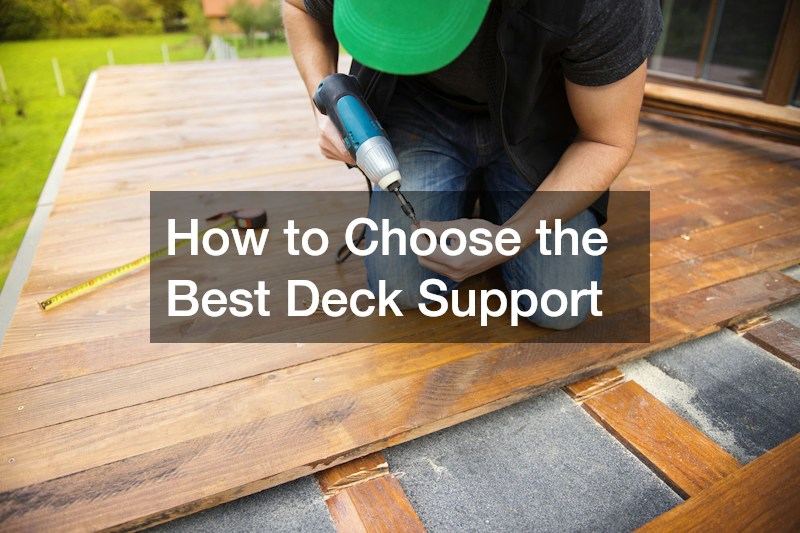
Decking is often the single largest expense in a backyard overhaul, and costs vary enormously depending on material choice, size, and design complexity. Pressure-treated wood remains the most budget-friendly option, while composite and hardwood decking cost more upfront but require less maintenance over time. If you want a multi-level design, built-in seating, or custom railings, working with custom deck builders is worth the investment because they can help you avoid costly structural mistakes that a DIY approach might introduce.
Get at least three quotes before committing, since pricing can vary widely based on a contractor’s experience and current material costs. Ask each bidder to break down labor versus materials so you can compare apples to apples rather than just looking at the bottom line number.
- Pressure-treated wood is the most affordable but needs regular staining
- Composite decking costs more initially but saves on long-term upkeep
- Multi-level or custom designs add significant labor costs
- Permits may be required depending on deck height and local codes
Comparing Fencing Materials and Installation Costs
A new fence line defines your property and adds privacy, but material choice dramatically affects the final price tag. Chain link is the cheapest option, wood offers a classic look at a moderate price point, and vinyl or aluminum fencing costs more but requires virtually no maintenance. Before hiring anyone, confirm property lines with a survey, since disputes over boundary placement can delay projects and add unexpected legal costs.
A reputable fence contractor will walk the property with you, flag any grading issues, and explain how local frost lines affect post depth in your area. Getting a written estimate that includes post spacing, gate hardware, and finishing details helps prevent surprise charges once installation begins.
- Chain link is the most economical but offers little privacy
- Wood fencing balances cost and curb appeal but needs periodic staining
- Vinyl and aluminum cost more upfront but last decades with minimal upkeep
- Always confirm property lines before installation begins
Budgeting for Roofing and Siding Work That Affects Your Yard
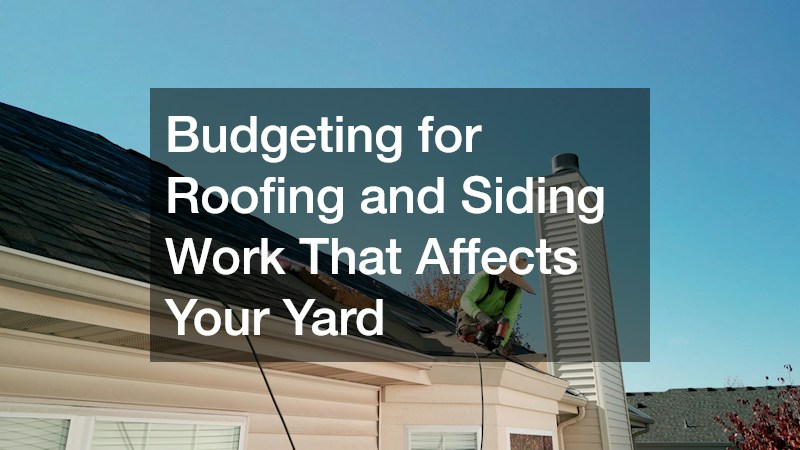
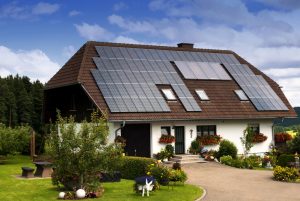
It might seem unrelated to backyard work, but many homeowners discover during an overhaul that their roofline or siding condition directly impacts drainage and runoff into the yard. Damaged gutters or aging shingles can send excess water pooling near a new deck or fence line, undermining your investment within a year or two. Bringing in roofers to inspect the roof edge and gutter system before you finalize your backyard layout can save you from regrading or repairing hardscaping later.
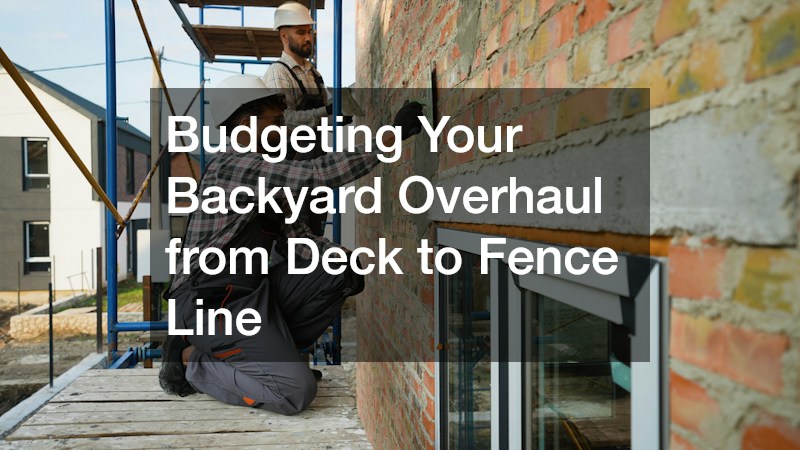
Similarly, if your home’s exterior cladding is worn or damaged, consulting siding contractors during the planning phase can help you coordinate color schemes and avoid water intrusion issues that might affect a newly built patio or deck attachment point. Addressing these exterior components alongside your backyard plans often costs less than tackling them as separate projects later.
- Inspect gutters and downspouts before finalizing deck or patio placement
- Check for water staining near the roofline that could indicate drainage problems
- Coordinate exterior colors and materials across siding, roofing, and new structures
- Factor in flashing repairs where a new deck attaches to the house
Planning for Outdoor Comfort and Shade Features
Once the structural elements are in place, many homeowners want to extend their outdoor living season with shade and comfort additions. Retractable awnings are a popular mid-range option because they provide adjustable shade without the permanence or cost of a full roof structure, and many models can be operated with a simple remote or crank. Pergolas, umbrellas, and shade sails are other options worth pricing out depending on your climate and how much sun exposure your patio or deck receives.
When budgeting for these features, remember that installation costs can vary based on whether the unit mounts to the house or requires freestanding posts. Getting a few quotes side by side will help you see which option delivers the most comfort per dollar spent.
- Retractable options allow flexibility between sun and shade throughout the day
- Freestanding structures cost more but do not require mounting to the house
- Motorized versions cost more than manual crank models
- Consider wind ratings if your area experiences strong seasonal gusts
Keeping Your Outdoor Space Cool With Climate Control
A backyard overhaul is also a good time to evaluate whether your home’s cooling system can keep pace with added outdoor living space, especially if you are building a covered patio or screened structure connected to the house. Many homeowners schedule an inspection with local AC companies during renovation season to check whether existing ductwork and unit capacity can handle any changes to airflow caused by new construction. If your system is older, this is also a practical time to budget for AC repair so you are not dealing with a breakdown during the peak summer months when your new backyard is finally ready to enjoy.
- Covered structures attached to the house may affect airflow and venting
- Older units may need servicing before peak summer demand hits
- A professional inspection can catch small issues before they become expensive repairs
- Consider timing major repairs during the off-season for better scheduling and pricing
Finishing Touches With Landscaping and Groundcover
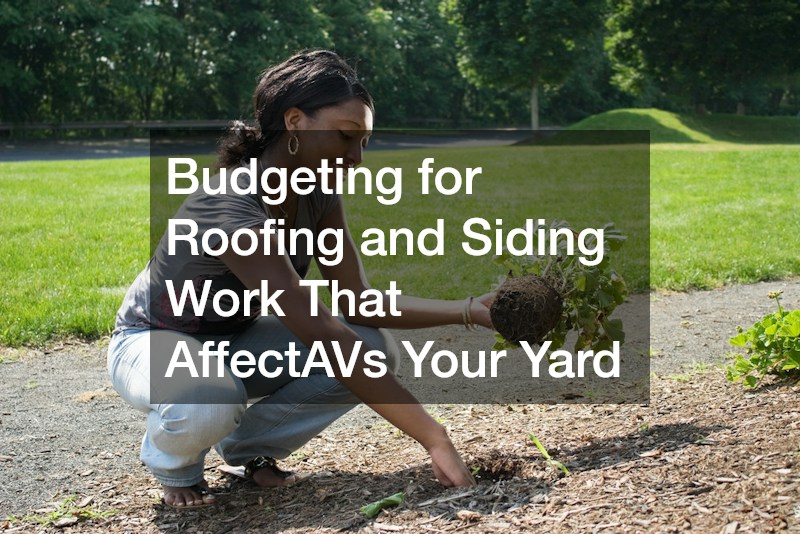
Once the hardscaping is finished, groundcover and planting beds tie the whole yard together and protect soil from erosion around new structures. Budget roughly $50 to $100 per cubic yard for bulk mulch, which typically covers 100 square feet at a three-inch depth—plenty for most backyard bed layouts. Shredded hardwood mulch tends to last longer and resist washout better than cheaper dyed varieties, making it worth the small upcharge near slopes or drainage paths. Fresh mulch around flower beds and tree bases helps retain moisture, suppress weeds, and gives the finished yard a polished look without a huge expense. Beyond mulch, consider low-cost groundcover plants like creeping thyme, clover, or sedum for bare patches where grass struggles, especially under trees or along fence lines. These spreading plants fill in over a season or two, cutting down on future mulch and weeding costs while adding texture. Budgeting a modest amount for ongoing groundcover refreshes each spring keeps the space looking intentional rather than neglected. Plan on setting aside $100 to $200 annually for mulch top-offs; mulch is a recurring cost, but it’s a fraction of what re-landscaping an overgrown bed later would require.
- Organic mulch (bark, wood chips, straw) breaks down over time, improving soil quality, but typically needs topping off each year at roughly $3-$5 per bag
- Rubber or rock groundcover costs more upfront, often two to three times the price of mulch, but can last a decade or more with minimal upkeep
- Refresh mulch beds annually, ideally in spring, for the best appearance, moisture retention, and weed suppression
- Budget 2-3 inches of mulch depth for effective coverage without smothering plant roots
- Keep mulch pulled back a few inches from deck posts and fence lines to prevent moisture buildup and wood rot
- Consider a weed barrier fabric under rock groundcover to reduce long-term maintenance costs
Protecting Your Family From Pests in the New Space
A freshly landscaped yard with new plantings and groundcover can unfortunately create ideal conditions for pests if it is not managed properly. Investing in tick control early in the season is especially important if your overhaul includes wooded borders, tall grasses, or dense shrubbery near the fence line where children and pets will play. Many pest management companies offer seasonal treatment plans that align with your landscaping schedule, so it makes sense to ask about this when your other outdoor contractors are already on site.
- Keep grass trimmed short near fence lines to reduce tick habitat
- Create a gravel or stone barrier between wooded areas and play spaces
- Schedule seasonal treatments rather than waiting until a problem appears
- Check pets regularly after time spent in newly landscaped areas
Maintaining Comfort and Air Quality for Year-Round Enjoyment
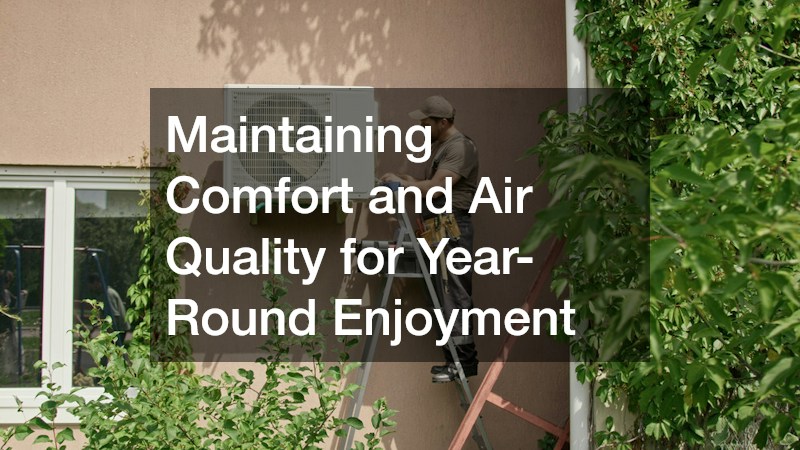
After the major construction phase wraps up, it is worth thinking about ongoing comfort rather than just the one-time installation costs. Reliable air conditioning services throughout the following seasons will keep your indoor and outdoor transitions comfortable, particularly if your overhaul included a sunroom, screened porch, or other semi-conditioned space connected to the home. Setting aside a small annual maintenance budget, separate from the renovation costs themselves, helps you avoid larger repair bills down the road.
- Schedule seasonal tune-ups rather than waiting for a breakdown
- Ask about maintenance plans that bundle inspections at a discount
- Keep outdoor units positioned away from new decking or fence lines for proper airflow
- Budget separately for ongoing maintenance versus the original installation
Breaking your backyard overhaul into distinct categories, from decking and fencing to comfort features and ongoing maintenance, makes a seemingly overwhelming project far more manageable. Start by getting multiple quotes for each major component, build in a contingency fund, and prioritize the elements that will give your family the most daily enjoyment. With a clear budget and a realistic timeline, you can transform your yard into a space you will actually use for years to come.