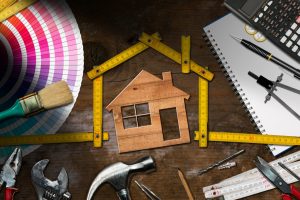
Planning home improvements that truly last requires more than choosing attractive finishes or reacting to short-term needs. A well-thought-out approach considers how each update fits into the bigger picture of the home, from interior spaces to exterior systems. When projects are planned in isolation, homeowners may face mismatched designs, unnecessary rework, or upgrades that age poorly. A cohesive plan helps improvements work together rather than compete for attention or resources.
Long-lasting home improvements balance function, durability, and adaptability. Homes change over time as families grow, routines shift, and systems age. Planning with longevity in mind means looking beyond immediate trends and focusing on upgrades that support daily living while remaining flexible for the future. This mindset encourages smarter sequencing, better material choices, and fewer regrets down the road. It also helps homeowners protect their investment by reducing the need for frequent repairs or replacements.
Taking a comprehensive view allows homeowners to prioritize projects more effectively. Structural needs, design updates, and efficiency improvements all play a role in how a home performs and feels. By evaluating current conditions and future goals together, homeowners can create a roadmap that supports comfort, usability, and value over time. The following sections explore key considerations that help align interior and exterior improvements into a plan that stands the test of time.
- Evaluating Current Conditions and Long-Term Goals
- Prioritizing Projects Based on Function and Value
- Coordinating Interior Design With Practical Upgrades
- Planning Exterior Improvements for Durability
- Selecting Materials That Support Longevity
- Balancing Aesthetics With Maintenance Needs
- Scheduling Projects to Minimize Disruption
- Accounting for System Upgrades and Efficiency
- Managing Budgets Across Multiple Improvements
- Preparing the Home for Future Updates and Use
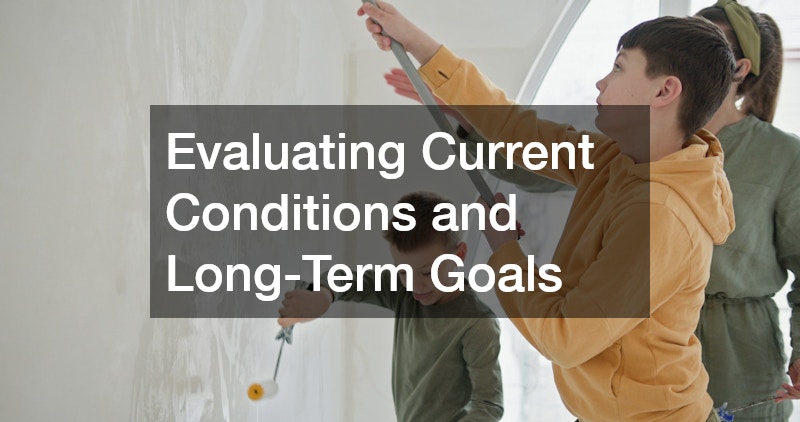
Evaluating Current Conditions and Long-Term Goals
Understanding the current state of a home is the first step in planning improvements that last. This evaluation goes beyond surface-level observations and looks at how spaces function, where wear is occurring, and which systems may need attention in the near future. Identifying strengths and limitations helps homeowners avoid unnecessary upgrades while highlighting areas that truly need improvement. This process creates clarity before decisions are made.
Long-term goals are equally important. Some homeowners plan to stay for decades, while others anticipate selling in the future. These goals influence how improvements are prioritized and how much flexibility is built into each project. Thinking ahead helps determine whether updates should emphasize personalization, efficiency, or broad appeal. Aligning improvements with long-term intentions reduces wasted effort and supports better outcomes.
In interior planning, collaboration with kitchen designers can help translate long-term goals into functional layouts that adapt over time. Thoughtful design considers storage needs, traffic flow, and how the space may be used differently in the future. When current conditions and long-term goals are evaluated together, design decisions become more intentional. This alignment supports improvements that remain practical and relevant rather than quickly outdated.
Prioritizing Projects Based on Function and Value
Once conditions and goals are clear, prioritization becomes the next critical step. Not all projects carry the same impact, and tackling upgrades in the right order helps maximize value and minimize disruption. Functional needs such as safety, efficiency, and usability often take precedence over cosmetic updates. Addressing these essentials first creates a stable foundation for future improvements.
Value should be considered from multiple angles. Some projects improve daily comfort, while others protect the home’s structure or reduce long-term operating costs. Prioritizing based on both immediate benefits and lasting impact helps homeowners allocate time and resources wisely. This approach also prevents situations where cosmetic upgrades must be undone to address underlying issues later.
Interior upgrades often center on storage and usability, making kitchen cabinets a common priority. Well-planned cabinetry improves organization, workflow, and overall functionality while contributing to long-term appeal. When projects are prioritized with purpose, each improvement supports the next rather than competing for attention. This strategic sequencing helps homeowners build a home that feels cohesive, efficient, and prepared for the future.
Coordinating Interior Design With Practical Upgrades
Interior design choices have the greatest impact when they are coordinated with practical upgrades rather than treated as separate decisions. A visually appealing space may still fall short if it does not support how the home is actually used. Coordinating design with function helps create interiors that feel cohesive, comfortable, and efficient over time. This approach also reduces the likelihood that aesthetic updates will need to be revisited due to overlooked usability concerns.
Practical coordination involves considering traffic flow, storage needs, lighting, and how rooms connect to one another. Design decisions should account for how people move through the space, where daily activities take place, and which areas experience the most wear. When these factors are considered early, interiors are more intuitive and adaptable. This level of planning also supports consistency across rooms, avoiding mismatched updates that feel disconnected.
Furniture plays a central role in aligning design with function. Layouts should accommodate how furniture is used, not just how it looks in a room. Scale, placement, and durability all matter when selecting pieces that support daily living. Thoughtful coordination allows furniture to enhance both comfort and efficiency while complementing permanent upgrades.
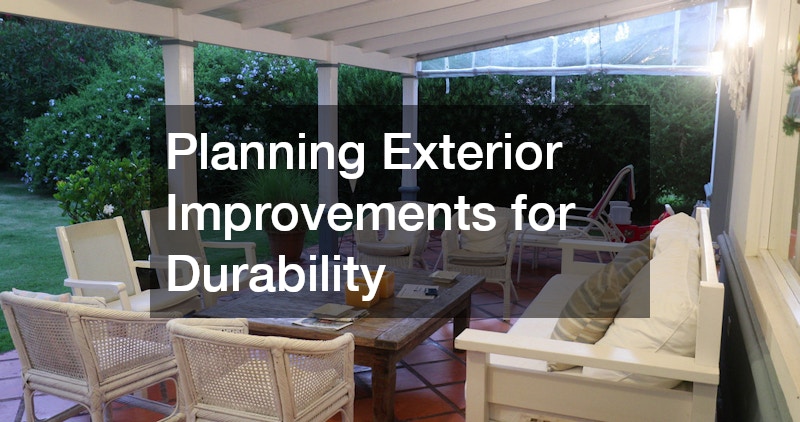
Planning Exterior Improvements for Durability
Exterior improvements must withstand constant exposure to weather, temperature changes, and daily wear. Planning these upgrades with durability in mind helps protect the home’s structure while reducing long-term maintenance demands. Unlike interior updates, exterior projects are often more costly and disruptive to redo, making careful planning especially important. Durable exterior improvements support both appearance and performance over time.
A durable exterior plan considers materials, finishes, and installation timing. Climate conditions, sun exposure, and moisture levels all influence how exterior features age. Selecting appropriate products and scheduling work strategically helps prevent premature deterioration. This approach also protects interior systems by maintaining the home’s outer envelope and reducing the risk of water or structural damage.
Surface protection is a key part of exterior planning, particularly for outdoor living areas. Working with a deck painter can help preserve wood surfaces, prevent moisture intrusion, and extend the life of outdoor structures. Proper preparation and application help finishes hold up against seasonal changes and frequent use.
Selecting Materials That Support Longevity
Material selection has a direct impact on how long home improvements last. Choosing products based solely on appearance or initial cost can lead to faster wear and higher replacement expenses. Materials that support longevity are those that perform well under regular use, environmental exposure, and routine maintenance. Selecting wisely helps homeowners avoid repeated upgrades and unexpected repairs.
Longevity-focused materials balance strength, maintenance requirements, and compatibility with the home’s design. Flooring, finishes, and fixtures should be chosen with consideration for how often they will be used and cleaned. Materials that resist moisture, fading, and impact tend to perform better over time. Consistency in material quality across projects also helps maintain a unified look as the home evolves.
Interior elements often benefit from materials that manage light, temperature, and wear. Window treatments play an important role in protecting interiors from sun exposure while supporting energy efficiency and comfort. Durable options help reduce fading of surfaces and furnishings while maintaining functionality.
Balancing Aesthetics With Maintenance Needs
Home improvements should look appealing, but they also need to remain practical long after installation. Striking a balance between aesthetics and maintenance helps homeowners avoid designs that require constant upkeep or costly repairs. Materials, finishes, and layouts should be evaluated not only for how they look on day one but also for how they perform under regular use. A visually impressive upgrade loses value if it becomes difficult to maintain.
Maintenance-friendly design considers cleaning requirements, exposure to weather, and long-term durability. Surfaces that resist staining, fading, and moisture are easier to care for and help preserve appearance over time. Simplified designs often outperform overly intricate ones when it comes to longevity. By accounting for maintenance early, homeowners reduce frustration and ongoing expenses.
Exterior elements are especially sensitive to maintenance demands. Working with a roofing contractor during planning helps confirm that aesthetic choices align with protective needs. Roofing materials affect insulation, water management, and structural integrity, making them both a visual and functional investment.
Scheduling Projects to Minimize Disruption
The timing of home improvement projects plays a major role in how disruptive they feel. Poor scheduling can interrupt daily routines, delay progress, and increase stress. Planning projects in a logical sequence helps reduce overlap and avoids unnecessary rework. A clear schedule also helps homeowners manage expectations and maintain momentum throughout the process.
Effective scheduling considers access needs, system dependencies, and seasonal conditions. Some projects must be completed before others can begin, especially when infrastructure is involved. Coordinating timelines helps prevent delays and supports smoother transitions between phases. Thoughtful planning also allows homeowners to continue using parts of the home while work is underway.
Certain upgrades require careful coordination due to their impact on daily living. Planning around septic system services helps avoid interruptions related to plumbing or drainage. Scheduling this type of work strategically reduces inconvenience and supports compliance with local requirements.
Accounting for System Upgrades and Efficiency
System upgrades are essential for maintaining comfort, efficiency, and reliability in a home. Electrical, heating, cooling, and plumbing systems all influence how well the home functions on a daily basis. Accounting for these systems early in the planning process helps prevent conflicts with design upgrades and reduces the risk of future disruptions.
Efficiency improvements often provide long-term benefits through reduced energy use and improved performance. Updating systems before cosmetic finishes are installed helps avoid costly adjustments later. Homeowners who plan for system upgrades alongside design changes are better positioned to create a home that performs well without sacrificing appearance.
Heating and cooling systems require special attention due to their role in comfort and operating costs. Coordinating plans with HVAC companies helps confirm capacity, efficiency, and compatibility with other upgrades. Proper planning supports balanced temperatures, improved air quality, and long-term energy savings.
Managing Budgets Across Multiple Improvements
Managing a budget across multiple home improvement projects requires a clear understanding of priorities and trade-offs. When upgrades are planned together rather than individually, homeowners gain better control over costs and can allocate funds more strategically. Budget planning helps prevent overspending on one area at the expense of more critical needs elsewhere. A balanced approach supports steady progress without creating financial strain.
Breaking projects into phases allows homeowners to spread costs over time while maintaining momentum. This approach also creates flexibility to adjust plans as needs change or new information becomes available. Tracking expenses carefully helps identify where savings can be achieved and where investment delivers the most long-term benefit. Transparency in budgeting supports better decision-making and reduces stress throughout the improvement process.
Large-scale features can have a significant impact on overall budgets and timelines. Projects involving pool builders often require careful financial planning due to their scope, installation requirements, and ongoing maintenance considerations. Accounting for these factors early helps homeowners avoid surprises and integrate major upgrades smoothly into the broader plan.
Preparing the Home for Future Updates and Use
Homes that are prepared for future updates tend to adapt more easily as needs change. Planning with flexibility in mind helps homeowners avoid major rework when systems age or lifestyles evolve. This preparation includes leaving access points available, choosing adaptable layouts, and selecting materials that can accommodate future upgrades. Forward-thinking planning supports smoother transitions over time.
Future use considerations often involve energy systems and fuel sources. Understanding how heating, cooling, and power needs may change allows homeowners to plan infrastructure accordingly. Making space for upgrades or alternative systems helps reduce disruption when changes become necessary. This mindset protects both comfort and efficiency as the home evolves.
Fuel-based systems require particular attention when planning ahead. Accounting for heating oil services helps homeowners anticipate storage, delivery access, and maintenance needs. Preparing for these requirements early supports reliable operation and easier system management in the future. When a home is designed with future updates in mind, improvements remain practical, adaptable, and cost-effective over the long term.
Planning home improvements that last means thinking beyond individual projects and focusing on how each upgrade fits into the larger picture. From interior design decisions to exterior durability and system efficiency, every choice contributes to how well a home performs over time. A thoughtful plan reduces wasted effort, supports consistent quality, and helps homeowners feel confident in their investments.
Long-term success comes from balancing appearance, function, and maintenance. When projects are coordinated and sequenced intentionally, the home becomes easier to care for and more adaptable to change. Budget awareness, system planning, and material selection all work together to protect value and comfort. This approach transforms improvements into lasting assets rather than short-lived upgrades.