

When you think about the essential systems that keep your home safe, comfortable, and structurally sound, your roof undoubtedly tops the list. Acting as your property’s first line of defense against severe weather, extreme temperatures, and environmental debris, a well-constructed roof shields everything and everyone beneath it. Yet, because it sits out of sight, the roof is often one of the most neglected areas of home maintenance. Many homeowners operate on an “out of sight, out of mind” basis, waiting until a visible leak stains their interior ceiling before paying any attention to their roof line.
Unfortunately, reactive maintenance is one of the most expensive ways to manage a home. Over time, continuous exposure to rain, wind, ultraviolet radiation, snow, and temperature fluctuations naturally breaks down roofing materials. What begins as a slightly loose shingle, a cracked rubber vent boot, or a clogged gutter can quickly spiral into severe water intrusion, structural timber rot, electrical hazards, and toxic mold growth. By committing to proactive, regular roof care, you safeguard your physical house, maintain high energy efficiency, protect your family’s health, and save thousands of dollars in premature replacement costs. The following guide explores why routine maintenance is essential for preserving the long-term integrity, safety, and value of your home.
- Preventing Water Damage With Routine Roof Inspections
- Addressing Minor Problems Before They Become Major Repairs
- Choosing Trusted Professionals for Ongoing Roof Care
- Scheduling Seasonal Maintenance to Extend Roof Lifespan
- Protecting Your Home Through Preventive Maintenance
- Supporting Sustainability Through Responsible Material Disposal
- Keeping Gutters Clear to Protect Your Roof and Foundation
- Maintaining the Exterior for Complete Weather Protection
- Improving Drainage to Prevent Costly Structural Damage
- Knowing When to Schedule a Professional Roof Evaluation
Preventing Water Damage With Routine Roof Inspections
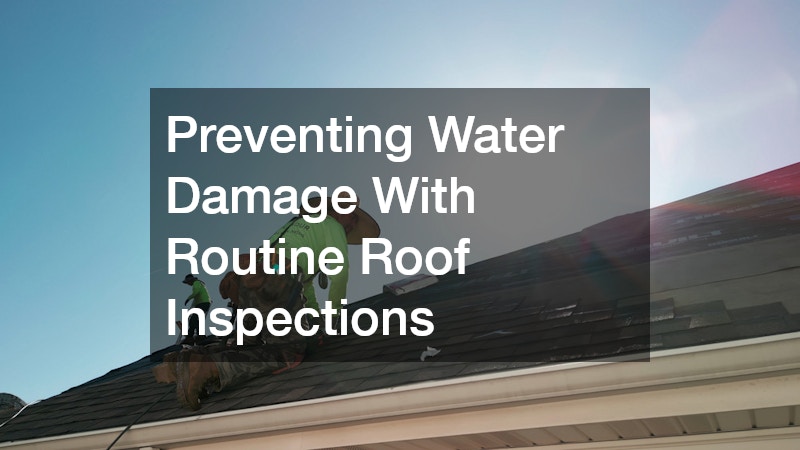
Water is one of the most destructive forces a residential structure can face. When heavy rain or melting snow finds even the smallest vulnerability in your roof line, gravity draws that moisture downward into your attic space, ceiling drywall, and wall cavities. Because wood framing absorbs water like a sponge, undetected leaks rapidly cause structural rafters to rot, floor joists to warp, and insulation to lose its thermal efficiency. By the time a water stain finally appears on your bedroom ceiling, hidden moisture may have been accumulating within your walls for months, causing extensive structural degradation.
Routine roof inspections serve as an early warning system against insidious water damage. Professional inspectors systematically examine high-risk areas—including roof valleys, chimney flashings, skylight seals, and plumbing vent pipes—where water intrusion is most likely to occur. They check for compromised decking, brittle underlayment, and missing fasteners that could allow storm water to penetrate the building envelope. Partnering with a licensed, experienced roofing contractor ensures that subtle signs of moisture penetration are identified and corrected long before water ever reaches your living spaces, preserving your home’s structural framing and interior finishes.
Addressing Minor Problems Before They Become Major Repairs
Roofing systems rarely fail overnight without warning. In almost every scenario, major roof failures begin as minor, easily repairable surface flaws that were left unaddressed over multiple seasons. A single cracked asphalt shingle may seem harmless, but during a heavy windstorm, that compromised shingle can easily blow off entirely. Once the underlying felt underlayment is exposed to direct sunlight and driving rain, it quickly degrades, opening a direct pathway for water to enter your home’s sub-decking.
Adopting a proactive approach to roof care allows you to resolve minor mechanical flaws while they are still inexpensive and simple to fix. Replacing a handful of damaged shingles, re-caulking loose counter-flashing, or resealing exposed nail heads takes minimal time and material, yet it effectively resets your roof’s protective seal. Scheduling prompt roof repair as soon as minor wear is noticed prevents localized damage from spreading across your roof deck. Taking swift action protects surrounding building materials, prevents cascading structural issues, and keeps your long-term home maintenance budget predictable and manageable.
Choosing Trusted Professionals for Ongoing Roof Care
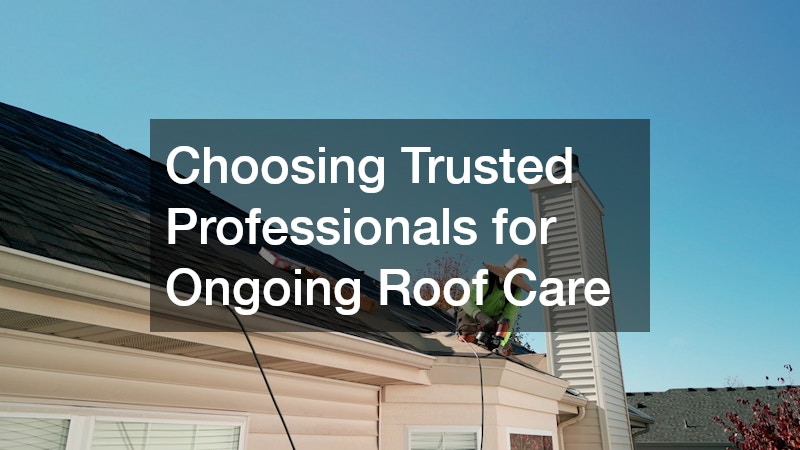
While basic ground-level visual checks can be performed by homeowners, climbing onto a roof to conduct detailed evaluations or perform repairs presents serious personal safety risks and requires specialized technical knowledge. Roofing systems feature complex layers of underlayment, ice and water shields, drip edges, ridge vents, and flashing details that must work together seamlessly to keep water out. An untrained individual walking across an aging roof can accidentally crush fragile shingles, displace ridge caps, or overlook critical signs of subsurface decay, doing more harm than good.
Entrusting your roof to qualified, fully insured professionals guarantees that maintenance and repairs are completed safely, correctly, and in strict accordance with manufacturer specifications. Reputable contractors possess specialized safety equipment, diagnostic tools, and deep knowledge of local building codes and climate challenges. Selecting a trusted local roofing company provides you with a reliable partner who understands the unique weather patterns in your geographic area. These experts can accurately assess material wear, recommend appropriate preventative measures, and execute repairs using high-grade materials, ensuring your warranty remains valid and your home stays completely protected.
Scheduling Seasonal Maintenance to Extend Roof Lifespan
Your roof endures drastically different environmental stresses as the seasons change throughout the year. Winter brings freezing temperatures, heavy snow loads, and the destructive risk of ice dams along the eaves. Spring brings torrential downpours and high winds, while summer delivers intense ultraviolet radiation and blistering heat that can bake asphalt shingles, causing them to dry out, curl, and lose their protective granules. Autumn then coats the roof surface in heavy layers of wet, rotting leaves and pine needles that retain moisture against the shingles.
Establishing a consistent seasonal maintenance schedule ensures your roof is fully prepared to withstand whatever weather extremes lie ahead. Spring inspections focus on identifying wind or ice damage suffered over the winter, while autumn check-ups prepare the structure for upcoming freezing temperatures by clearing organic debris and verifying attic ventilation. Engaging professional local roofing services to conduct bi-annual tune-ups keeps your roof line clean, well-ventilated, and structurally resilient year-round. This disciplined seasonal care significantly slows material degradation, maximizing the operational lifespan of your roofing system and pushing expensive replacement costs far into the future.
Protecting Your Home Through Preventive Maintenance
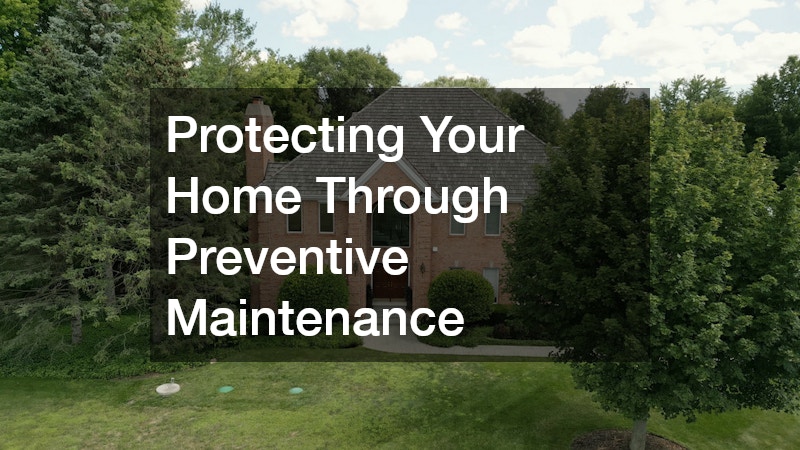
Preventive maintenance is the cornerstone of responsible homeownership. Just as you routinely change the oil in your car or service your HVAC unit to prevent mechanical breakdown, your roof requires ongoing care to maintain its structural protective barrier. A well-maintained roof does far more than keep rain out; it maintains consistent indoor temperatures by regulating attic airflow, prevents dangerous winter ice dam formation, blocks pest infestations, and protects your home’s structural value.
Investing in preventive care generates a massive return on investment over the life of your property. Neglected roofs often suffer from hidden leaks that rot subfloor decking, ruin blown-in insulation, invite wood-destroying insects, and spark toxic mold growth that severely compromises indoor air quality. Utilizing professional roofing services to handle regular tune-ups, seal open seams, and replace aging components protects your physical building envelope from premature wear. A comprehensive preventive strategy safeguards your family’s health, preserves your property value, and ensures your home remains a dry, safe sanctuary in any storm.
Supporting Sustainability Through Responsible Material Disposal
When a roof eventually reaches the end of its natural service life and requires a complete tear-off and replacement, environmental responsibility becomes a critical consideration. Traditional roof tear-offs generate thousands of pounds of heavy waste, historically filling up local landfills with old asphalt, felt paper, and nails. As sustainable building practices continue to advance, eco-conscious homeowners and contractors are seeking smarter, greener alternatives to minimize the environmental footprint of roofing projects.
Modern roofing practices increasingly prioritize material recycling and eco-friendly disposal methods. Old asphalt shingles, which are rich in petroleum products, can be processed, ground down, and repurposed into high-quality recycled asphalt pavement used to build and repair public roads and highways. Choosing contractor partners who participate in asphalt shingle recycling ensures that tons of old roofing material are diverted away from landfills and given a valuable second life. Supporting sustainable waste management practices allows you to update your home’s protection while making a positive, eco-friendly contribution to your local community and the planet.
Keeping Gutters Clear to Protect Your Roof and Foundation
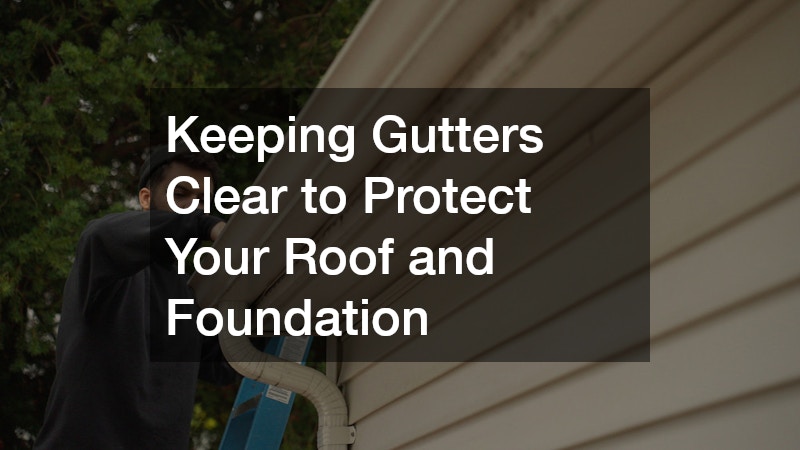
Your roof and your gutter system operate as a unified water management team. While the roof collects rainwater and directs it downward, the gutter system captures that continuous stream and carries it safely away from your home’s exterior walls and concrete foundation. When gutters become clogged with leaves, twigs, shingle granules, and dirt, water has nowhere to go. It backs up onto the roof edge, soaking beneath the bottom row of shingles and rotting the wooden fascia boards and soffits.
Maintaining clean, unobstructed drainage channels is vital for protecting both the upper roof line and the lower foundation of your property. Overloaded gutters also become extraordinarily heavy, causing mounting brackets to pull away from the fascia, creating gaps where water trickles directly down your siding. Hiring professional gutter companies to perform thorough cleanouts and install heavy-duty leaf guards guarantees that water flows freely off your roof and away from your home. Keeping gutters clean eliminates localized water pooling, prevents top-edge roof decay, and protects your foundation from settling or cracking due to water oversaturation.
Maintaining the Exterior for Complete Weather Protection
Your roof does not operate in isolation; it works in tandem with your home’s exterior wall cladding, fascia, soffits, and window flashings to form a complete, weather-tight building envelope. If your siding is cracked, loose, or improperly sealed where it meets the roof line, wind-driven rain can blow behind the cladding and bypass your roof’s water defenses entirely. Unsealed exterior seams allow trapped moisture to rot internal wall studs, destroy insulation, and encourage mold growth behind your drywall.
Ensuring total weather protection requires taking a holistic view of your home’s entire exterior presentation. Inspecting siding panels, corner posts, and trim boards for warping, gaps, or rot ensures that driving rain cannot breach your home’s outer defenses. Partnering with skilled local siding contractors allows you to repair loose panels, re-caulk failing joint seals, and upgrade wall underlayment alongside your roof maintenance routine. Maintaining a seamless, fully sealed exterior shell protects your home from wind-driven moisture, improves overall energy efficiency, and keeps your property looking beautiful and well-cared-for.
Improving Drainage to Prevent Costly Structural Damage
Effective water management involves directing runoff safely away from your entire property once it leaves the roof line. If downspouts discharge water directly against your home’s foundation walls, water pools around the perimeter, saturating the soil and creating intense hydrostatic pressure. Over time, this standing ground water forces its way through microscopic foundation cracks, flooding basements, causing floor joists to rot, and destabilizing the structural footings that support your entire house.
Upgrading your property’s water diversion infrastructure is essential for preventing catastrophic structural damage. Downspouts must be equipped with splash blocks or extended underground through solid drainage pipes that transport rainwater at least five to ten feet away from foundation walls. Utilizing a specialized gutter service enables you to optimize downspout placement, install subterranean drain lines, and adjust gutter pitch so that heavy storm runoff is cleared instantly. Proper drainage management keeps your basement dry, protects structural footings from soil movement, and guarantees that roof water runoff poses zero threat to your home’s structural integrity.
Knowing When to Schedule a Professional Roof Evaluation
While performing basic monthly visual checks from the ground with a pair of binoculars is a great habit, knowing when to bring in professional evaluators is key to long-term roof preservation. Major weather events—such as hail storms, severe wind gusts, heavy winter snowfalls, or falling tree limbs—can cause instant, severe damage that may not be obvious from the street. Furthermore, if your roof is approaching fifteen to twenty years of age, scheduling regular evaluations becomes critical as materials near the end of their natural service life.
If you notice interior drywall staining, sagging rooflines, granules piling up in downspout splash blocks, or curling shingles, you should immediately arrange a comprehensive professional assessment. Experienced specialists working for established roofing companies utilize advanced diagnostic techniques, such as infrared thermal imaging and moisture meters, to detect hidden leaks and wet insulation without destroying building materials. A professional evaluation provides an accurate, unbiased assessment of your roof’s true condition, helping you decide whether simple targeted repairs, proactive maintenance, or a planned replacement is the smartest path forward for your home.
Maintaining your roof is far more than an optional home improvement task—it is a fundamental responsibility that directly dictates the health, safety, and longevity of your entire living space. By investing in routine inspections, addressing minor repairs promptly, maintaining clean drainage systems, and partnering with qualified local professionals, you effectively build an unshakeable defense against weather, water, and structural decay. Proactive roof care protects your financial equity, keeps utility bills manageable, and guarantees that your home remains a dry, safe, and welcoming haven for your family for decades to come.