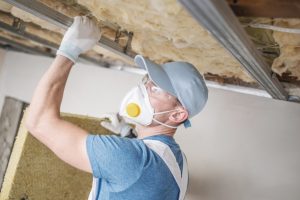

A roofing project is one of the most important investments a homeowner can make. Whether you are dealing with an aging roof, storm damage, or planning an upgrade to improve your home’s appearance and efficiency, proper preparation can make the process much easier. A well-planned project helps reduce unexpected expenses, prevents unnecessary delays, and ensures the finished roof meets your long-term needs.
Many homeowners begin by thinking about materials and colors, but successful projects require much more than choosing an attractive design. Understanding the condition of your current roof, creating a realistic budget, researching options, and selecting qualified professionals are all essential steps.
Taking time to plan before work begins allows you to make informed decisions and avoid common mistakes. From evaluating damage to preparing your property and maintaining your new roof after installation, every stage plays a role in protecting your home and investment.
- Evaluate Your Roof Before Making Major Decisions
- Set a Realistic Budget Before Work Begins
- Choose Materials That Match Your Home and Climate
- Select the Right Professional for Your Roofing Project
- Prepare Your Property Before Installation Day
- Understand When Specialized Solutions Are Needed
- Know How to Handle Unexpected Roofing Emergencies
- Consider Roofing Needs for Additional Structures and Businesses
- Monitor Progress and Complete the Project Successfully
Evaluate Your Roof Before Making Major Decisions

Before starting any major improvements, homeowners should take time to understand the current condition of their roof. Some problems may require simple repairs, while others may indicate that a full replacement is the better long-term solution. Making this decision without proper information can lead to unnecessary costs or repeated issues.
Working with a trusted roofing company can help identify problems that may not be obvious from the ground. Small issues, such as damaged flashing or minor leaks, can lead to moisture damage, mold growth, and structural concerns if ignored.
Professional roofing services often begin with a detailed inspection that evaluates several important areas, including:
- Shingles or roofing materials for cracks, curling, missing sections, or deterioration
- Flashing around chimneys, vents, and roof edges
- Gutters and drainage systems
- Signs of water intrusion inside the attic or ceilings
- Roof ventilation and insulation conditions
Homeowners should also consider the age of their roof. Most roofing materials have an expected lifespan, and older roofs may require more frequent repairs. Even if the damage appears limited, an aging roof may continue to develop problems that become more expensive over time.
A thorough evaluation provides a clearer picture of what needs to be addressed. It also helps homeowners create a realistic plan rather than making decisions based only on visible damage.
Set a Realistic Budget Before Work Begins
A successful roofing project starts with a detailed financial plan. Many homeowners underestimate the total cost by focusing only on materials and installation. In reality, several factors can affect the final price, including roof size, design complexity, labor requirements, permits, and potential repairs discovered during installation.
A qualified roofing contractor can help explain the costs associated with different options and provide a detailed estimate. Homeowners should review estimates carefully to understand what is included and what additional expenses may arise.
Important costs to consider include:
- Removal and disposal of existing materials
- Replacement of damaged decking
- Repairs to underlying structures
- Improved ventilation or insulation
- New gutters or drainage upgrades
- Permit and inspection fees
When comparing estimates, avoid focusing only on the lowest price. A significantly lower estimate may omit important services or reflect lower-quality materials. Instead, look for a clear breakdown of costs, realistic timelines, warranty details, and information about the work process.
It is also helpful to set aside extra funds for unexpected issues. Once old roofing materials are removed, hidden damage may be discovered. Having a financial cushion helps prevent delays and allows necessary repairs to be completed correctly.
Choose Materials That Match Your Home and Climate

Selecting the right roofing materials is an important part of planning because your choice affects appearance, durability, maintenance, and overall value. Homeowners should consider their local climate, budget, architectural style, and long-term goals before making a decision.
Different materials provide different benefits. For example, metal roofing is known for durability, weather resistance, and long service life. It can be a strong option for homeowners seeking a low-maintenance solution that withstands challenging weather conditions.
Another common option is asphalt shingle roofing, which remains popular for its affordability, versatility, and wide range of styles and colors. It works well for many residential properties and complements various architectural designs.
When comparing materials, consider:
- Expected lifespan
- Resistance to wind, rain, and temperature changes
- Maintenance requirements
- Energy efficiency benefits
- Availability of replacement materials
- Compatibility with your home’s design
The most expensive material is not always the best choice for every homeowner. A good decision balances upfront costs with long-term performance. Choosing a material that fits your specific needs can reduce maintenance concerns and provide better value over time.
Select the Right Professional for Your Roofing Project
Choosing the right professional is one of the most important steps in the planning process. Even high-quality materials can fail if they are installed incorrectly. Homeowners should research experience, credentials, communication style, and previous work before making a final decision.
A reliable residential roofer should be able to explain the recommended approach, answer questions clearly, and provide documentation related to licensing, insurance, and warranties. Homeowners should feel comfortable discussing concerns before signing any agreement.
Before hiring a professional, consider asking:
- How long have you worked in the industry?
- Can you provide examples of previous projects?
- What materials do you recommend and why?
- What does the warranty cover?
- How will weather delays affect the schedule?
- How will debris and cleanup be handled?
Checking reviews and references can also provide insight into past customer experiences. Look for consistent feedback regarding communication, workmanship, reliability, and project completion.
A written contract is another important part of protecting your investment. The agreement should clearly outline the scope of work, the materials to be used, payment expectations, the estimated timeline, and any additional responsibilities.
Prepare Your Property Before Installation Day
Proper preparation can help protect your home and make the installation process smoother. Roofing work involves noise, movement, and the transport of materials around your property, so taking a few steps beforehand can reduce inconvenience.
Start by protecting items around your home. Move outdoor furniture, decorations, and fragile items away from work areas. Vehicles should also be moved away from the driveway if possible to provide space for equipment and materials.
Inside your home, consider:
- Removing pictures or decorations from walls
- Securing items stored in the attic
- Covering belongings that may collect dust
- Preparing for increased noise during installation
Homeowners with pets or young children should create safe areas away from active work zones. Roofing projects involve tools, materials, and equipment that can create hazards if access is not controlled.
Communication with the installation team is also important. Ask about daily schedules, expected disruptions, and any steps you should take before workers arrive. Knowing what to expect can make the process less stressful.
Understand When Specialized Solutions Are Needed
Not every roof requires the same approach. Certain structures and designs need specialized materials and installation methods to provide proper protection. Understanding these differences helps homeowners choose solutions that match their property.
A flat roofing service requires specific techniques because these systems manage water differently than traditional sloped roofs. Proper drainage, waterproofing, and proper installation of materials are essential for preventing leaks and extending the roof’s lifespan.
For properties using specialized membrane systems, a TPO roofing contractor can provide expertise with thermoplastic roofing materials. TPO systems are commonly used because they can provide durability, energy efficiency, and resistance to environmental exposure.
When considering specialized roofing options, homeowners should evaluate:
- How water drains from the roof
- The level of maintenance required
- Material durability
- Installation requirements
- Long-term repair considerations
Understanding the differences between roofing systems allows homeowners to make better decisions. The right solution depends on the building design, climate conditions, and performance expectations.
Know How to Handle Unexpected Roofing Emergencies
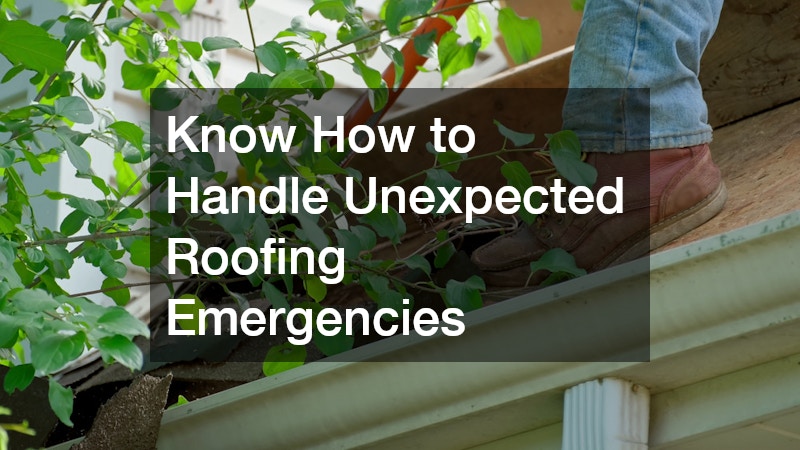
Some roofing issues cannot wait for a scheduled project. Severe weather, falling trees, or sudden leaks can create situations that require immediate action. Knowing how to respond quickly can help limit damage while protecting your family and property. Acting quickly after an unexpected issue occurs may prevent water from spreading into walls, insulation, ceilings, and other areas of the home.
An emergency roofer can help address urgent situations by identifying the source of the problem and providing temporary or permanent solutions. Homeowners should avoid attempting dangerous repairs themselves, especially during storms or when the roof structure may be compromised. Climbing onto a damaged roof can increase the risk of injury and may worsen existing problems.
Common situations requiring immediate attention include:
- Large leaks after heavy rain
- Missing sections after strong winds
- Damage caused by fallen branches
- Exposed areas that allow water intrusion
- Structural concerns after severe weather
Homeowners should also understand the importance of documenting damage before repairs begin whenever it is safe to do so. Taking photos, noting when the damage occurred, and keeping records of repairs can be helpful when working with insurance providers or evaluating future maintenance needs.
While waiting for professional assistance, homeowners can take safe steps to reduce damage. Moving furniture away from leaks, placing containers under dripping water, and documenting damage with photos can help. Covering belongings and limiting access to affected areas can also protect your home’s interior until repairs are completed.
After emergency repairs are completed, homeowners should consider whether additional improvements are needed. Temporary fixes may solve an immediate problem, but may not address underlying issues that could cause future damage. A follow-up inspection can help determine whether larger repairs, material upgrades, or preventive maintenance are necessary to protect the home long term.
Consider Roofing Needs for Additional Structures and Businesses
Roofing needs can vary significantly depending on the type of building being protected. Homeowners may also manage detached garages, workshops, rental properties, or other structures that require different considerations. Each structure may experience different levels of exposure, usage, and maintenance demands, making it important to evaluate roofing needs individually rather than applying the same solution to every building.
A commercial roofer typically works on larger or more complex buildings that may have unique requirements for materials, drainage, safety, and maintenance. However, some residential properties with large additions or specialized designs may also benefit from commercial-style approaches. Understanding the differences between roofing systems can help property owners choose options that provide the right level of protection and performance.
When planning roofing projects for additional structures, consider:
- The purpose of the building
- How often the space is used
- Exposure to weather conditions
- Future maintenance needs
- The expected lifespan of the roofing system
It is also important to consider how nearby structures interact. For example, poor drainage from one building can contribute to moisture problems in another area of the property. Proper planning ensures water is directed away from foundations, walls, and other vulnerable areas.
Planning ahead can help ensure every structure on your property receives appropriate protection. Addressing roofing needs early can prevent damage from spreading and reduce the likelihood of expensive repairs later. Regular evaluations of all buildings on the property can also help identify issues before they become major concerns.
Monitor Progress and Complete the Project Successfully
The final stages of a roofing project are just as important as the planning process. Homeowners should stay involved throughout installation to ensure expectations are being met and questions are addressed quickly.
Regular communication helps prevent misunderstandings. Ask for updates about progress, weather-related delays, and any changes that may affect the original plan. Staying informed allows homeowners to address concerns before they become larger issues and helps ensure the project remains aligned with the agreed-upon timeline and expectations.
During the final walkthrough, inspect important details such as:
- Completed installation areas
- Cleanup of materials and debris
- Proper placement of flashing and drainage components
- Documentation of warranties and maintenance recommendations
Homeowners should also take time to review any instructions provided about caring for the new roof. Understanding recommended maintenance practices, warning signs to watch for, and warranty requirements can help prevent avoidable problems in the future.
Once the project is complete, create a maintenance schedule. Even a newly installed roof requires attention to continue performing properly. Regular inspections, gutter cleaning, and addressing small problems early can help extend the roof’s useful life. Keeping records of inspections, repairs, and maintenance services can also help track the roof’s condition over time and provide valuable information for future repairs or replacements.
Homeowners should also keep records of installation dates, materials used, warranties, and completed repairs. These documents can be valuable for future maintenance, resale, or insurance purposes.
Planning a successful roofing project requires careful decision-making, preparation, and attention to detail. By understanding your property’s needs, creating a realistic budget, choosing appropriate materials, and preparing for installation, you can ensure a smoother experience from start to finish.
A well-planned project provides more than an improved appearance. It helps protect your home, improve comfort, and support long-term value. Taking the time to make informed choices ensures your investment continues providing benefits for many years.