
Building a new home is a dream come true for many homeowners. The excitement of picking finishes, customizing layouts, and finally seeing your vision come to life is hard to beat. Yet, once the moving boxes are unpacked and everyday life begins, many homeowners realize there were decisions they overlooked, underestimated, or didn’t plan properly.
These regrets often stem from small choices during construction or early move-in that snowball into ongoing frustrations. From functional layouts to high-quality finishes and smart infrastructure, every single decision matters. The good news is that many of these mistakes are avoidable with careful planning and attention to detail. This guide dives into the most common regrets homeowners face after moving into a new home construction, along with actionable advice to prevent them.

- Overlooking Practical Layouts in Your Living Spaces
- Choosing the Wrong Materials for High-Traffic Areas
- Neglecting the Details
- Skimping on Professional Painting and Finishes
- Ignoring Exterior Maintenance Needs Early On
- Underestimating Heating, Cooling, and Ventilation
- Overlooking Plumbing Accessibility and Functionality
- Settling for Cabinets Without Considering Function and Style
- Overlooking Glass Elements in Safety and Function
- Skipping Post-Move Inspection and Adjustments
Overlooking Practical Layouts in Your Living Spaces
When designing your home, it’s easy to get swept up in aesthetics. Open-concept living rooms, grand foyers, or sweeping hallways might look stunning on paper, but they can create real-life challenges if the flow isn’t practical. Many homeowners discover that their furniture doesn’t fit as expected, that hallways feel cramped, or that certain rooms aren’t as functional as they imagined.
Walk through your layouts with furniture in mind before construction begins. Mark off spaces with painter’s tape to visualize how couches, tables, and beds will fit. Consider traffic patterns—where will people naturally walk? Are doorways wide enough for moving furniture? Will the kitchen layout allow multiple people to cook without bumping into each other? Small adjustments early on can prevent major renovations later.
Tips for practical layouts:
- Sketch out furniture placement for every room.
- Use 3D home design apps to visualize spacing.
- Plan multipurpose areas for flexibility (e.g., guest room doubling as an office).
- Consider storage needs—walk-in closets, pantry space, and built-in shelving.
Practical layouts also anticipate lifestyle changes. If your family grows, will the spaces still work? If you entertain often, is there enough room for guests to move freely? Consider how your needs might evolve over time, such as adding a home office, playroom, or additional storage. Thinking beyond aesthetics saves frustration and ensures your home functions for years to come.
Choosing the Wrong Materials for High-Traffic Areas
Selecting finishes and materials is often one of the most exciting parts of building a new home. Marble countertops, sleek hardwood floors, and glossy cabinets can look incredible—but not all materials are suited to daily wear and tear. Many homeowners regret choosing finishes based solely on appearance rather than durability.
High-traffic areas like kitchens, entryways, and bathrooms are particularly vulnerable. Scratched countertops, dented flooring, and worn finishes are common complaints after moving in. Consulting with your custom home building company can help identify materials that balance beauty and practicality. They can provide insight on scratch resistance, longevity, and maintenance needs.
Material selection tips:
- Opt for harder flooring materials in entryways and hallways.
- Consider quartz or engineered stone for kitchen countertops for durability.
- Use water-resistant finishes in bathrooms and laundry areas.
- Invest in cabinet surfaces that withstand daily use and cleaning.
Remember, choosing durable materials may seem costly upfront, but it prevents frequent repairs and replacements later. Combining aesthetics with practical performance ensures your home remains beautiful and functional long-term.
Neglecting the Details
Staircases are often treated as a secondary feature, yet they are used multiple times a day and influence both safety and style. Many homeowners regret selecting stairs based solely on appearance without considering functionality. Too narrow treads, low railings, or slippery surfaces create hazards, while a mismatched design can disrupt the aesthetic flow of your home.
When planning interior staircases, prioritize safety first. Think about slip-resistant surfaces, appropriate lighting, and how the stairs connect main living areas. Consider the needs of children, elderly family members, or pets.
Practical staircase considerations:
- Adequate tread depth for safe footing.
- Handrail placement that is comfortable and secure.
- Lighting along the steps for visibility at night.
- Material choices that resist wear and provide traction.
A well-designed staircase balances functionality and beauty. Visualize how it will be used daily, not just how it looks in photographs. Investing in smart design early avoids costly modifications later and creates a central feature your family can enjoy safely for decades.

Skimping on Professional Painting and Finishes
Paint and finishes are not just cosmetic—they protect surfaces and set the tone for your home. Many homeowners attempt DIY painting or hire inexperienced contractors to save money, only to discover streaks, uneven coats, and peeling paint. A poor finish can undermine the beauty of even the most expensive materials.
Hiring a professional painting company ensures proper surface preparation, high-quality paint, and smooth application. Professionals can also advise on the best colors, finishes, and techniques for specific rooms. For example, high-traffic areas benefit from durable, washable paints, while bedrooms and living areas might favor softer, more aesthetic finishes.
Common mistakes to avoid:
- Choosing paint color solely based on trends instead of lighting and room size.
- Skipping primer, which can cause uneven coverage or peeling.
- Ignoring proper surface preparation leads to flaking or rough texture.
- Using low-quality brushes or rollers, leaving visible streaks.
A well-painted home enhances not only appearance but also durability. Investing in professional painting reduces ongoing maintenance, improves resale value, and creates a space that feels polished and welcoming from day one.
Ignoring Exterior Maintenance Needs Early On
Many homeowners focus on interior details while neglecting the exterior, only to realize issues like water damage, mold, or premature wear later. Poorly installed siding or roofing can lead to expensive repairs and diminished curb appeal.
Hiring a reputable siding installation service or roofing business ensures your home is structurally sound and aesthetically pleasing. Material choice matters—vinyl siding requires less maintenance than wood, and metal roofs may last decades longer than asphalt shingles. Proper installation and regular inspections prevent problems before they start.
Exterior maintenance checklist:
- Inspect siding for gaps, warping, or cracks annually.
- Ensure gutters are properly installed and cleaned to prevent water damage.
- Examine the roofing for missing shingles or leaks after storms.
- Seal windows and doors to prevent drafts and moisture intrusion.
Ignoring exterior upkeep may seem minor at first, but small issues can snowball into significant repairs. A proactive approach ensures your home remains beautiful, protected, and functional for years.
Underestimating Heating, Cooling, and Ventilation
An efficiently designed HVAC system is critical for comfort, energy efficiency, and long-term cost savings. Homeowners often discover uneven temperatures, high utility bills, or poor air quality due to improperly sized or installed systems. Many only notice these issues after moving in.
Consulting with an experienced HVAC company can prevent these problems. They ensure the system is sized correctly, properly zoned, and efficiently installed. Consider factors like air flow, duct placement, and filter accessibility. Routine maintenance extends system lifespan and keeps energy costs manageable.
Tips for optimizing HVAC systems:
- Schedule a professional inspection before moving in.
- Install programmable thermostats for better efficiency.
- Ensure vents are unobstructed for proper airflow.
- Consider whole-home filtration for better indoor air quality.
Planning ahead prevents discomfort and costly upgrades. Your HVAC system is one of the most critical investments in a new home, so proper design and maintenance are essential.
Overlooking Plumbing Accessibility and Functionality
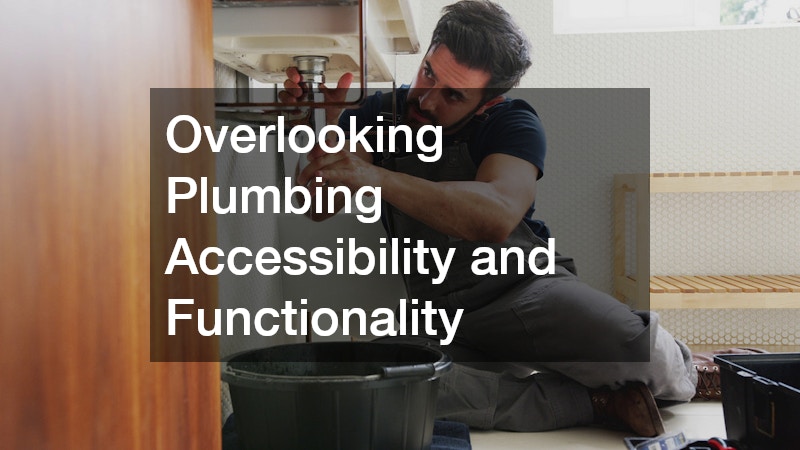
Plumbing may seem straightforward until you encounter a leaky pipe or difficult-to-reach shutoff valve. Many homeowners regret not planning accessibility and functionality into their plumbing system. Poor placement of sinks, toilets, or shower heads can make everyday use inconvenient and repairs challenging.
Working with local plumbers during construction ensures future-proof designs. Plan for accessible shutoff valves, cleanouts, and service points. Also, consider water pressure, fixture placement, and potential remodeling needs. Thinking ahead about how your plumbing will handle changes in household size or lifestyle can prevent costly upgrades later.
Common plumbing pitfalls:
- Insufficient space under sinks or behind toilets for repairs.
- Hard-to-reach valves that complicate emergencies.
- Overcrowded bathrooms with awkward fixture placement.
- Ignoring the need for water filtration or softening systems.
Well-planned plumbing prevents headaches, reduces repair costs, and makes daily routines seamless. A thoughtfully designed system is often one of the most overlooked sources of homeowner satisfaction.
Settling for Cabinets Without Considering Function and Style
Cabinetry defines storage, organization, and aesthetics in kitchens, bathrooms, and living areas. Many homeowners regret choosing cabinets based purely on looks without considering functionality, leading to cluttered, inefficient spaces.
Professional cabinet design ensures a balance of style and practicality. Focus on drawer depth, adjustable shelving, and accessibility features. Think about how your family uses each space—where will pots, pans, linens, or cleaning supplies go?
Tips for functional cabinets:
- Include pull-out drawers for heavy items.
- Use deep drawers for pots and small drawers for utensils.
- Incorporate adjustable shelving for flexible storage.
- Select materials resistant to scratches, water, and frequent use.
Properly designed cabinets make daily life easier and maintain your home’s appearance over time. Functional storage eliminates frustration and keeps your living spaces organized and enjoyable.
Overlooking Glass Elements in Safety and Function
Glass elements like windows, shower enclosures, and sliding doors add elegance and a sense of openness to a home, but they can also become sources of regret if chosen or installed incorrectly. Homeowners often discover that glass surfaces are difficult to clean, that safety features are inadequate, or that sizing and placement create practical challenges. Even small oversights—like a sliding door that doesn’t glide smoothly or a window that’s hard to reach—can become daily frustrations that detract from the enjoyment of your home.
Consulting a professional glass service ensures proper installation, appropriate material selection, and compliance with safety standards. Using tempered or laminated glass in high-traffic areas can prevent accidents and increase durability, while coatings or finishes can make maintenance easier and reduce streaking. Thoughtful planning also helps address privacy needs, such as frosted or tinted glass for bathrooms or rooms that face neighboring properties.
Another key consideration is accessibility for cleaning and maintenance. High windows, skylights, and shower enclosures require careful planning to ensure they can be cleaned and serviced without difficulty. Similarly, sliding doors and other moving glass panels should be aligned and installed for smooth operation to avoid ongoing annoyance.
Investing in quality glass solutions enhances both the aesthetic appeal and safety of your home. By carefully considering materials, placement, and long-term usability, homeowners can prevent minor issues from turning into persistent problems, ensuring their glass features remain beautiful, functional, and low-maintenance for years to come.
Skipping Post-Move Inspection and Adjustments
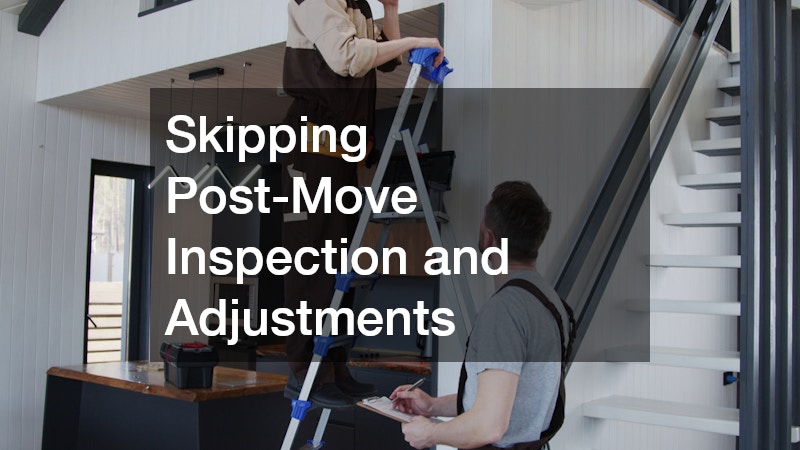
Even with careful planning, small construction issues may arise. Many homeowners regret not performing a thorough post-move inspection, discovering misaligned doors, uneven floors, or incomplete paint touch-ups months later. Addressing these issues early is critical.
Create a comprehensive checklist covering every room, system, and fixture. Document issues and communicate them to your builder or contractors promptly. Timely corrections prevent minor flaws from escalating into major problems.
Inspection checklist highlights:
- Check doors and windows for proper alignment and sealing.
- Test plumbing fixtures for leaks and water pressure.
- Inspect electrical outlets and light fixtures for functionality.
- Examine flooring and walls for scratches, chips, or imperfections.
A proactive approach ensures your home meets expectations and avoids long-term dissatisfaction. Early attention to detail secures your investment and allows you to enjoy your home without lingering regrets.
Moving into a newly constructed home is exciting, but mistakes made during design and early use can lead to long-term frustration. From practical layouts and durable materials to thoughtful systems like HVAC, plumbing, and cabinetry, attention to detail is critical. Even small oversights—like poorly placed outlets, insufficient storage, or improperly sized windows—can have a big impact on daily life and comfort. The early decisions you make set the tone for how your home functions and feels for years to come.
By anticipating common pitfalls, consulting experts, and taking a proactive approach, homeowners can avoid regrets and create a functional, beautiful, and enduring living space. Investing time in planning, asking the right questions, and reviewing every detail ensures that nothing is overlooked. The decisions you make now will shape your daily comfort, your home’s aesthetics, and its long-term value. Careful planning ensures your dream home remains just that—a home to enjoy for years to come. With thoughtful preparation, you can move in confidently, knowing your home is built to support both your lifestyle and your peace of mind.