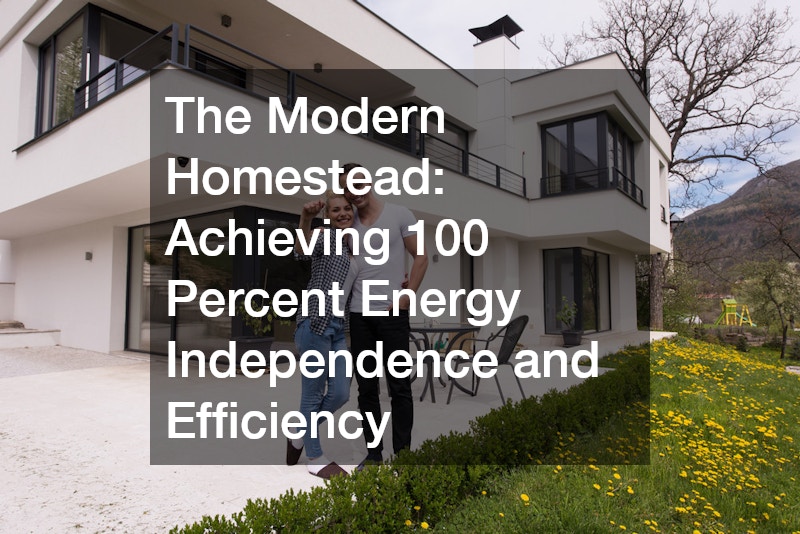
The concept of the modern homestead has undergone a massive transformation as we move through 2026. What was once seen as a fringe lifestyle for those seeking to disconnect from society has become a mainstream aspiration for professionals, families, and forward-thinking investors. Today, achieving 100 percent energy independence and efficiency is not just about environmental stewardship; it is a calculated move toward financial resilience and personal security. In an era of fluctuating utility costs and increasing climate volatility, the ability to generate, store, and manage one’s own power has become the ultimate luxury. This shift is driven by a convergence of advanced building techniques, smarter technology, and a renewed focus on the home as a self-sustaining ecosystem.
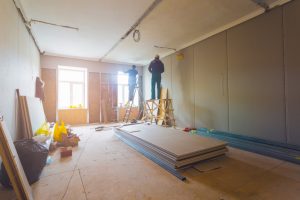
When a family decides to embark on the journey of modern homesteading, the first step involves more than just a plot of land and a dream. It requires a partnership with professionals who understand the nuances of sustainable construction. Working with local home builders who specialize in high-performance structures is a critical first step. These experts ensure the house is positioned correctly for passive solar gain, utilizing the natural path of the sun to heat and cool the living space without a heavy reliance on mechanical systems. By focusing on the orientation of the building and the placement of thermal mass, these builders create a foundation that works with the environment rather than against it.
Table of Contents
- Sealing the Envelope for Maximum Performance
- Advanced Electrical Infrastructure and Smart Management
- Thermal Comfort and Advanced Climate Control
- Sustaining the Ecosystem Through Routine Care
- Maintenance and the Professional Network
- Refined Entries and Efficiency Gains
- Integrating Tech into Living Spaces
- Precision Air Handling and Longevity
- The Value of Professional Maintenance
- The Foundation of Reliability
Sealing the Envelope for Maximum Performance
Efficiency is often lost through the smallest gaps in a structure’s exterior. Even the most advanced heating system struggles if the building envelope is leaky. This is why meticulous attention to door installation is a cornerstone of the energy-independent home. High-quality exterior doors with thermal breaks and proper weatherstripping prevent conditioned air from escaping, significantly reducing the energy load required to maintain a comfortable environment throughout the changing seasons. Modern options now include vacuum-insulated panels and triple-glazed glass inserts that offer the same R-value as a standard wall, ensuring that the entryway is a fortress of efficiency.
Once the physical structure is secured, the focus shifts to energy production. The most visible symbol of the energy-independent movement is the array of solar panels gracing the roofline. In 2026, these systems will have reached a level of efficiency where they can easily power an entire household plus multiple electric vehicles. New tandem perovskite-silicon cells have pushed efficiency ratings toward 28 percent, allowing homeowners to generate more power from a smaller footprint. By capturing photons and converting them into direct current electricity, a homestead can decouple itself from the volatile prices of the municipal grid, providing a sense of security and financial stability that is hard to match with traditional energy sources.
Advanced Electrical Infrastructure and Smart Management
Managing the flow of electricity from the roof to the appliances requires a sophisticated internal network. A local residential electrician is the key figure in this phase of the project. This professional installs the smart panels and battery backup systems that allow a home to switch seamlessly between solar power and stored energy. They ensure that every circuit is optimized for safety and efficiency, handling the complex wiring necessary for a truly modern, automated home. These smart panels now feature AI-driven software that can predict energy needs based on weather forecasts, automatically shifting loads to ensure the batteries remain charged for when they are needed most.
Inside the home, efficiency is not just about power; it is about the use of space and resources. A custom cabinet designer plays a vital role in creating a functional interior that supports a self-sufficient lifestyle. Whether it is a kitchen built for preserving large harvests or a laundry room that integrates smart storage for cleaning supplies, these bespoke solutions ensure that no square inch of the home is wasted. Modern designs often include integrated charging stations for small appliances and hidden compartments for battery monitoring hardware, allowing for a more organized and stress-free living experience that complements the high-tech nature of the homestead.
Thermal Comfort and Advanced Climate Control
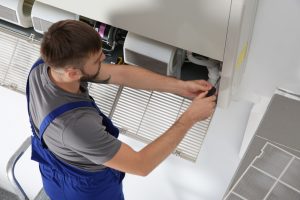
Despite the best passive design, modern homes still need active climate control during extreme weather events. Engaging a professional air conditioner installer ensures that the latest heat pump technology is utilized. These units are far more efficient than traditional furnaces or central air systems, as they move heat rather than generating it. A properly sized and installed system ensures that the home stays cool in the summer and warm in the winter without draining the battery reserves. In 2026, many of these systems use low-GWP refrigerants like R-454B, which are not only better for the environment but also operate more efficiently in extreme temperatures.
Building a high-tech, energy-independent home represents a significant financial investment that must be protected. Securing the right homeowner insurance requires a specialized approach that takes into account the unique features of a sustainable build. It is important to work with providers who recognize the value of green upgrades and offer coverage that reflects the actual replacement cost of specialized equipment like battery arrays and high-efficiency windows. Some policies now offer specific riders for energy-independent homes, acknowledging that a house with its own power source and resilient construction is a lower risk during grid-wide emergencies or natural disasters.
Sustaining the Ecosystem Through Routine Care
A clean home is an efficient home, particularly when sensitive electronics and high-performance ventilation systems are involved. Many modern homesteaders rely on a professional home cleaning service to maintain the pristine environment required for their appliances to function at peak levels. Dust and debris can impact the performance of air quality sensors and clog the fine filters in heat recovery ventilators. Regular maintenance by a team that understands how to care for natural materials and high-tech finishes ensures that the home remains a healthy, functional sanctuary. This attention to detail extends the life of the interior and keeps the “wellness” aspect of the homestead intact.
When it comes to the long-term success of an energy-independent property, having a local advocate is essential. A local realtor who understands the value of sustainable features is a powerful ally when it comes time to assess equity or market the home. These professionals know how to translate technical data, like annual energy savings and carbon footprint reductions, into compelling selling points for future buyers. They can identify the specific market segments that are willing to pay a premium for a home that offers 100 percent independence, ensuring the owner’s investment is recognized and rewarded in a competitive real estate landscape.
Maintenance and the Professional Network
Even the most robust systems require periodic check-ups to ensure they are operating safely. This is where the expertise of a local electrician becomes invaluable for ongoing home maintenance. While the initial build might be handled by a residential specialist, the day-to-day upkeep of a complex power system benefits from a professional who is available for routine inspections and minor repairs. They can verify the health of the wiring, check the connections on the inverter system, and ensure that any new gadgets added to the home do not overload the existing circuitry. Having a trusted technician nearby provides peace of mind in a home that relies entirely on its own infrastructure.
To truly understand the modern homestead, one must look at it as a living, breathing entity. The choice of local home builders sets the stage for everything that follows, as the structural integrity of the home dictates how well it will hold its temperature and protect its occupants. In a world where energy costs are a major monthly burden for many, the homesteader looks at their utility bill and sees a balance of zero, or even a credit from the local utility for the power they have exported.
Refined Entries and Efficiency Gains

The science of door installation has advanced to the point where an entryway can now be a source of energy generation itself. Some modern doors are being designed with thin-film solar technology embedded in the glass, contributing a small but steady stream of power to the home’s battery bank. Beyond power, the security features of a professionally installed door are now integrated into the smart home ecosystem. Biometric locks and integrated cameras allow for seamless entry without compromising the thermal seal of the building. This combination of security, efficiency, and tech integration defines the high-performance entryway of the 2026 homestead.
As the sun sets on a typical day, the solar panels on the roof stop generating power, but the home continues to thrive on the energy it captured throughout the afternoon. This cycle of capture and release is the heartbeat of the modern homestead. The transition from day to night is unnoticeable to the residents, as the smart home systems manage the battery discharge to keep the lights on and the air fresh. This level of reliability has made solar power the preferred choice for those who value autonomy.
Integrating Tech into Living Spaces
The role of a local residential electrician has expanded to include that of a technology integrator. They are no longer just pulling wires; they are setting up the backbone of a digital nervous system. This includes everything from high-speed fiber optic internal networks to the sensors that monitor air quality and humidity levels in every room. By working closely with this professional during the construction or renovation phase, a homeowner can ensure that their residence is ready for the innovations of the next decade. This foresight prevents the need for costly retrofits as technology continues to evolve at a rapid pace.
When it comes to the aesthetic of the modern homestead, the work of a custom cabinet designer is what brings the vision to life. Efficiency does not have to look clinical; it can be warm, inviting, and beautiful. Bespoke cabinetry allows for the seamless integration of energy-efficient appliances into a design that reflects the homeowner’s personal style. From rift-sawn oak panels that hide a high-tech refrigerator to bamboo drawers designed to hold the components of a smart kitchen, these custom pieces are the bridge between mechanical performance and human comfort.
Precision Air Handling and Longevity

The expertise of an air conditioner installer is critical not just for comfort, but for the preservation of the home itself. In an airtight, high-performance building, moisture control is a major concern. A properly installed HVAC system includes energy recovery ventilation that brings in fresh outdoor air while transferring the thermal energy from the exhaust air. This prevents the buildup of stale air and humidity, which can lead to mold and structural damage. By using variable-speed technology, these systems can run at a very low level for long periods, maintaining a constant temperature and humidity level while using a fraction of the power of an older, single-stage unit.
Navigating the complexities of homeowner insurance in a changing climate requires a proactive stance. Homeowners who invest in energy independence often find that they have more leverage when negotiating premiums if they can prove their home is built to a higher standard. Documenting the use of fire-resistant materials, wind-rated roofing, and redundant power systems can lead to significant savings over time.
The Value of Professional Maintenance
Even with the best automation, the human touch provided by a home cleaning service remains a vital part of property management. The modern homestead often features large expanses of glass and high-end surfaces that require specific care to maintain their appearance and function. Using non-toxic, eco-friendly cleaning agents is a priority for many homesteaders who are conscious of their indoor air quality. A professional service that is trained in the care of sustainable materials ensures that the home stays in “show-ready” condition while supporting the healthy lifestyle that the property was designed to provide.
When the time comes to evaluate the property’s place in the broader market, the insights of a local realtor provide a necessary perspective. They can offer data on recent sales of similar high-performance homes, helping the owner understand how their investments in solar, HVAC, and smart tech are being valued by the community. This information is crucial for long-term financial planning.
The Foundation of Reliability
Finally, the ongoing support of a local electrician ensures that the homestead remains a safe and reliable sanctuary for the long haul. As the home ages, the electrical demands may change, and having a professional who is familiar with the specific history of the property’s wiring is a major advantage. Whether it is adding a new EV charging station or troubleshooting a complex automation issue, this technician is the guardian of the home’s most vital resource. Their work ensures that the promise of energy independence is realized every single day, regardless of what is happening on the external power grid.
The journey toward 100 percent energy independence is a rewarding path that combines technical innovation with a deeply personal commitment to a better way of living. By assembling a team of experts, from specialized builders to custom designers and local technicians, a homeowner can create a space that is not only efficient but also resilient and beautiful.