Purchasing a home that requires a bit of extra work is an adventure filled with immense potential, creative freedom, and unique structural challenges. There is something deeply satisfying about looking at a dated, neglected property and seeing the vibrant, modern space it could become with the right amount of effort and vision. For many buyers, this journey starts long before the keys officially change hands. Navigating the real estate market to find a true diamond in the rough requires immense patience, sharp observation skills, and a clear vision of future equity. Working alongside a top realtor can make a massive difference during this initial search phase, as an experienced real estate professional knows how to spot structural integrity beneath cosmetic flaws and negotiate a fair purchase price that leaves ample room for upcoming updates. Understanding local property values ensures buyers do not overextend their finances. Once the closing papers are signed, the real work begins. The period between accepting the keys and actually moving into the property is a golden window of opportunity that should never be wasted. Attempting to navigate major construction projects while living among half-unpacked boxes can quickly lead to household burnout, unnecessary stress, and endless daily disruptions. By tackling the most invasive and messy repairs while the rooms are entirely empty, homeowners can save time, reduce labor expenses, and protect their personal belongings from the inevitable dust and debris of heavy renovation work. This playbook serves as a practical, comprehensive blueprint to help buyers prioritize their projects, organize their budgets, and transform a fixer-upper into a tailored sanctuary.
Table of Contents
- Mapping Out the Timeline and Strategy
- Establishing a Secure and Clean Envelope
- Upgrading Systems and Ensuring Power Continuity
- Mastering Climate Control and Air Quality
- Executing Major Structural and Interior Renovations
- Enhancing the Outdoor Experience and Curb Appeal
- The Final Walkthrough and Setting Down Roots
Mapping Out the Timeline and Strategy

Success with a renovation property relies heavily on proper sequencing and logistical foresight. It is tempting to jump straight into picking out paint colors, ordering light fixtures, or browsing through furniture catalogs, but starting with cosmetic details is a common misstep that often results in wasted money. A logical, well-thought-out timeline ensures that early projects do not accidentally damage or compromise the work completed during later stages. Before any physical labor begins on the property, creating a master project checklist is a vital step. This comprehensive document should outline every single required update, estimated material costs, local permitting rules, and the specific order in which different professionals need to enter the home. Managing the physical transition from an old residence to the new property requires careful coordination, especially when dealing with overlapping real estate contracts. Booking reputable moving companies well in advance gives homeowners a hard deadline to work toward while ensuring that their furniture remains safely stored away until the heavy construction dust completely settles. It also provides peace of mind during an otherwise chaotic time. Having an entirely empty house allows specialized tradespeople to work significantly faster, walk freely through rooms without navigating obstacle courses, and complete their tasks without any underlying worry about damaging the owner’s personal possessions. This logistical buffer ultimately gives the floors, walls, and ceilings a chance to undergo major modifications without putting daily household routines on hold. A structured schedule prevents the chaos of overlapping contractors and ensures that each phase of the project receives the focused attention it deserves.
Establishing a Secure and Clean Envelope

With the overall strategy firmly in place, the immediate focus of the renovation must shift to securing the physical structure and envelope of the building. A house cannot become a comfortable, welcoming home if it is vulnerable to external threats, structural pests, or harsh environmental wear. The very first step should always involve a thorough, professional inspection of the foundation, crawlspaces, and attic areas to ensure no unwanted pests or wildlife have taken up residence over the years. Hiring a professional pest control company during this vacant period is incredibly smart, as specialized treatments can be applied thoroughly to open walls, baseboards, and subfloors without risking exposure to pets or young children. This protective barrier is important for long-term structural health. Once the interior is certified clean and structurally secure, attention should turn directly to the home’s primary entry points. Aging entryways often suffer from warped wooden frames, failed weather seals, and compromised security latches that invite drafts and intruders. Replacing old doors improves the home’s overall energy efficiency by eliminating costly drafts and provides a fresh aesthetic upgrade that instantly boosts exterior curb appeal. Upgrading these vital entry points before moving valuable tools, building materials, or new appliances into the house also ensures that the property remains completely secure overnight during the weeks of ongoing work. It deters potential theft and protects materials. Addressing these structural boundaries early sets a solid foundation for all the interior enhancements that follow, guaranteeing that subsequent financial investments are well-protected from both pests and volatile weather.
Upgrading Systems and Ensuring Power Continuity
Once the outer shell of the house is secure, the renovation focus turns toward the hidden networks that keep a modern household running safely and smoothly. Older homes frequently feature outdated electrical components, ungrounded outlets, and ancient panels that simply cannot handle the power demands of modern electronics, heavy kitchen appliances, and advanced heating systems. Bringing in a licensed electrician to evaluate the existing service panel, replace old wiring, and install grounded outlets is a fundamental safety measure that must happen before closing up any drywall or applying fresh paint. This professional can ensure that the entire system complies with current local building codes and can safely support any upcoming technological additions. It eliminates serious fire hazards entirely. In addition to these upgrades, modernizing the panel allows for the integration of smart home technologies and energy monitoring tools that help reduce overall power consumption. Along with this, contemporary grid ties can be evaluated to ensure that any future electric vehicle charging stations have the required capacity. While the core electrical grid is being updated, it is also the perfect time to think about long-term energy resilience and emergency preparedness. Installing permanent home generators provides a reliable safety net against severe weather events, seasonal grid strain, and unexpected utility blackouts. Having a dedicated backup power source wired directly into the main circuit breaker guarantees that essential appliances, refrigeration, security systems, and climate control remain fully operational no matter what happens to the municipal power grid. This long-term security is invaluable for true peace of mind. Completing these major infrastructure upgrades early eliminates the need to cut into freshly finished walls later, ensuring the home operates safely from day one.
Mastering Climate Control and Air Quality
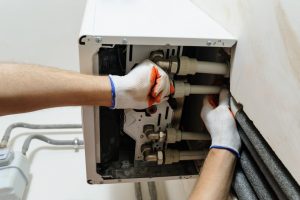
With the electrical infrastructure modernized and safe, the next logical priority on the checklist is the indoor climate system. A reliable heating and cooling setup is non-negotiable for long-term comfort, yet it is frequently one of the most neglected aspects of a typical fixer-upper property. An old, inefficient system not only fails to maintain steady temperatures across different rooms but also drives monthly utility bills to astronomical heights. Engaging a qualified air conditioning contractor allows homeowners to accurately assess the condition of existing ductwork, evaluate airflow efficiency, and determine whether the current outdoor unit needs a comprehensive overhaul or a complete replacement. This avoids unpleasant surprises during extreme weather seasons. Upgrading to a modern, high-efficiency climate system during the vacant renovation phase ensures that the indoor air quality is pristine before anyone sleeps under the roof. In addition, installing new heating and cooling units while the house is entirely empty allows technicians to cut new vents, run fresh refrigerant lines, and mount heavy equipment without disrupting daily life. Technicians can also check insulation levels in the attic to guarantee that the conditioned air does not escape through hidden gaps. Investing in smart thermostats during this installation allows for automated temperature schedules that cut down waste. A well-optimized HVAC system works in perfect harmony with the recently updated insulation and secure entry points, creating a perfectly balanced indoor environment that remains cozy in the winter and refreshingly cool during the peak of summer. Taking care of this system early prevents future breakdowns that could disrupt household comfort and lead to costly emergency repairs down the road.
Executing Major Structural and Interior Renovations

Once the mechanical, electrical, and structural systems are fully functional and safe, the exciting stage of aesthetic and functional transformation can finally begin. This is the precise moment where the property truly begins to match the personal style, aesthetic preferences, and daily habits of its new owners. Undertaking custom remodeling projects allows for the complete reimagining of key spaces like kitchens, primary bathrooms, and main living areas. Whether the ultimate goal is to tear down restrictive walls to create a modern open-concept floor plan or to build bespoke cabinetry that maximizes storage space, these updates completely redefine how the home functions on a daily basis. It breathes brand new life into old, static rooms. Working with skilled craftsmen ensures that structural changes are engineered correctly and that high-end finishes are applied with ultimate precision. Tackling these extensive interior renovations before moving in means that the mess of drywall dust, tile cutting, and paint fumes is left behind in an unoccupied space. It also allows the floors to be sanded, stained, or tiled seamlessly across multiple adjoining rooms without the constant need to shift heavy furniture back and forth. This protects expensive new floor finishes from scratches. It provides a completely clean slate where painters can roll walls and baseboards effortlessly without having to drop cloths over existing furniture or worry about splattering paint on personal items. When these major interior projects are finalized, the home transitions from a chaotic construction zone into a beautifully tailored sanctuary ready for daily occupancy.
Enhancing the Outdoor Experience and Curb Appeal

A comprehensive home transformation does not stop at the back door of the property. The land surrounding the house offers incredible opportunities to expand the usable living area and create a private outdoor sanctuary for relaxation. To make the absolute most of this space, homeowners should collaborate with expert backyard landscapers who understand local soil composition, native plant species, and proper property grading techniques. Professional landscape design ensures that water drains away from the home’s foundation while creating visually stunning gardens that provide privacy, shade, and beauty throughout the changing seasons. It maximizes the aesthetic value of the acreage. Alongside the living greenery, incorporating durable hardscaping features adds immense functional and financial value to the yard. Investing in professional patio construction provides a dedicated, stable foundation for outdoor dining, entertaining, and weekend relaxation. Whether utilizing premium natural stone, concrete pavers, or modern stamped concrete layouts, a well-designed outdoor surface acts as a natural extension of the indoor living spaces. It offers a clean space for barbecues and family gatherings. A beautifully manicured landscape elevates the perceived value of the property, creating a welcoming atmosphere from the very first glance. Completing these extensive exterior projects simultaneously with the interior work ensures that the entire property is pristine, cohesive, and fully functional by the time the final project phases are wrapped up and the keys are ready for daily use.
The Final Walkthrough and Setting Down Roots
As the various phases of the home renovation playbook draw to a close, the final steps involve bringing all the pieces together for a seamless and rewarding finish. Before celebrating the completion of the project, a meticulous walkthrough is necessary to ensure every single detail meets expectations and quality standards. This process involves testing every light switch, checking the water pressure in newly remodeled bathrooms, verifying that all windows open smoothly, and confirming that the climate control systems maintain a steady temperature throughout the house. It is also the ideal time to conduct a deep, comprehensive cleaning of the entire property to remove the ultra-fine dust that naturally accumulates during months of multi-trade construction work. Cleaning the windows inside and out, scrubbing the floors, and wiping down the interiors of cabinets ensures that the environment is truly fresh, healthy, and welcoming. Once the physical space is completely immaculate, the wonderful process of turning the house into a true home can finally commence. Bringing in furniture, hanging family photographs, and organizing closets marks the official end of the renovation journey. The hard work, careful planning, and initial investment in skilled professionals pay off completely as the doors open to a beautifully renewed lifestyle. It marks the beginning of an exciting new chapter.