Improving a property’s energy efficiency can lower utility bills, maintain comfortable indoor temperatures, and reduce unnecessary energy consumption. Whether you own a home or manage a commercial building, small changes and strategic upgrades can make a meaningful difference in long-term operating costs.
Energy waste often results from several problems working together, including poor insulation, air leaks, inefficient heating and cooling systems, and inadequate maintenance. Addressing these issues requires viewing the building as a complete system rather than focusing on a single component.
By identifying energy loss areas, prioritizing practical improvements, and monitoring results, property owners can make informed decisions that support comfort, durability, and long-term savings.
- Conduct an Energy Audit to Find Areas of Waste
- Improve Roof Insulation and Ventilation
- Seal Windows and Doors to Prevent Drafts
- Strengthen Insulation Throughout the Building
- Choose Roofing Materials That Manage Heat
- Improve Energy Performance in Commercial Buildings
- Maintain Heating, Cooling, and Ventilation Systems
- Replace Inefficient Lighting and Reduce Electricity Use
- Create a Preventive Maintenance Schedule
- Track Results and Plan Future Upgrades
Conduct an Energy Audit to Find Areas of Waste

An energy audit is a useful starting point because it helps identify where a building uses more energy than necessary. Rather than investing in upgrades based on assumptions, property owners can use an audit to determine which improvements are likely to provide the greatest benefits.
Begin by reviewing utility bills from the previous 12 months. Look for unexpected increases in electricity, heating, or cooling costs. Seasonal changes are normal, but unusually high consumption may indicate inefficient equipment, air leakage, or inadequate insulation.
A professional energy assessment can provide a more detailed picture of the building’s performance. Depending on the property, an auditor may use thermal imaging, blower door testing, and equipment inspections to locate hidden problems.
Consider these steps when evaluating energy use:
- Review utility bills: Compare monthly consumption and costs to identify recurring patterns.
- Inspect common problem areas: Check attics, basements, windows, doors, and mechanical rooms for drafts or temperature differences.
- Evaluate existing equipment: Determine whether heating, cooling, and lighting systems operate efficiently.
- Prioritize improvements: Address safety concerns and major energy losses before pursuing smaller upgrades.
Documenting the initial findings creates a baseline for measuring future progress. After completing improvements, compare energy consumption under similar weather and occupancy conditions to determine whether the changes are working as expected.
Improve Roof Insulation and Ventilation
The roof plays an important role in regulating indoor temperatures. During winter, heat can escape through inadequately insulated roof assemblies. During summer, sunlight can heat roofing materials and increase the amount of heat transferred into the building.
Improving insulation can reduce these temperature fluctuations and help heating and cooling systems operate more efficiently. Property owners should evaluate attic insulation, air sealing, ventilation, and the overall condition of the roof before choosing an upgrade.
If the roof is nearing the end of its service life or has recurring leaks, roof replacement services may provide an opportunity to address several problems at once. Replacing deteriorated materials while improving insulation and sealing vulnerable areas can help protect the building from moisture and unnecessary energy loss.
When evaluating roof improvements, consider:
- Insulation levels: Check whether attic or roof insulation meets recommendations for the local climate.
- Air leaks: Seal appropriate gaps around pipes, wiring, vents, and other penetrations.
- Ventilation: Maintain suitable airflow to help control moisture and manage attic temperatures.
- Roof condition: Look for damaged materials, deteriorating flashing, and signs of water intrusion.
The best solution depends on the building’s design, climate, and existing roof assembly. Property owners should evaluate insulation and ventilation together because improving one component without addressing the others may limit the overall benefit.
Seal Windows and Doors to Prevent Drafts

Air leaks around windows and doors allow conditioned air to escape and outdoor air to enter. This forces heating and cooling equipment to work harder to maintain comfortable temperatures, potentially increasing energy costs year-round.
Start by inspecting window frames, door edges, and areas where different building materials meet. Cracked caulking, worn weatherstripping, and loose frames can create openings that allow unwanted air movement.
Fortunately, many small leaks can be corrected without major renovations. Applying suitable caulk around stationary joints and replacing worn weatherstripping can improve the seal around windows and doors. Door sweeps can also help close gaps beneath exterior doors.
Older windows may benefit from storm window repairs, particularly when damaged components, loose fittings, or deteriorated seals contribute to drafts. Restoring their condition can improve performance without requiring immediate full-window replacement.
For the best results:
- Inspect seals before the heating and cooling seasons.
- Replace damaged weatherstripping and deteriorated caulk.
- Repair loose window hardware and damaged frames.
- Consider energy-efficient replacement windows when existing units are severely deteriorated.
- Maintain appropriate ventilation to manage indoor moisture and air quality.
Sealing a building should not mean eliminating necessary ventilation. Bathrooms, kitchens, and other moisture-producing areas still require suitable ventilation to prevent condensation, mold growth, and indoor air quality problems.
Strengthen Insulation Throughout the Building
Insulation helps slow the movement of heat between indoor and outdoor environments. When insulation is missing, compressed, wet, or poorly installed, indoor temperatures can fluctuate more dramatically, increasing demand on heating and cooling systems.
Although attics often receive attention first, walls, floors, crawl spaces, and basements can also contribute to energy loss. Inspecting these areas can help reveal opportunities to improve the building envelope.
Before adding insulation, address moisture problems and air leakage. Installing new insulation over damp materials can trap moisture and contribute to deterioration or mold growth.
Foundation repair may be necessary when cracks, damaged joints, or other structural problems allow water and outside air to enter the building. Correcting these issues can help protect insulation, reduce drafts, and improve conditions in basements or crawl spaces. However, structural repairs should be evaluated on a case-by-case basis because not every foundation crack results in significant energy loss.
Useful improvements include:
- Adding insulation where existing levels are inadequate.
- Sealing appropriate gaps around service penetrations.
- Correcting water intrusion before insulating affected areas.
- Insulating exposed pipes in unconditioned spaces.
- Checking basement and crawl-space conditions for persistent dampness.
The appropriate insulation type and thickness depend on the building’s construction and local climate. A qualified professional can help determine which improvements offer the best balance of performance, cost, and durability.
Choose Roofing Materials That Manage Heat
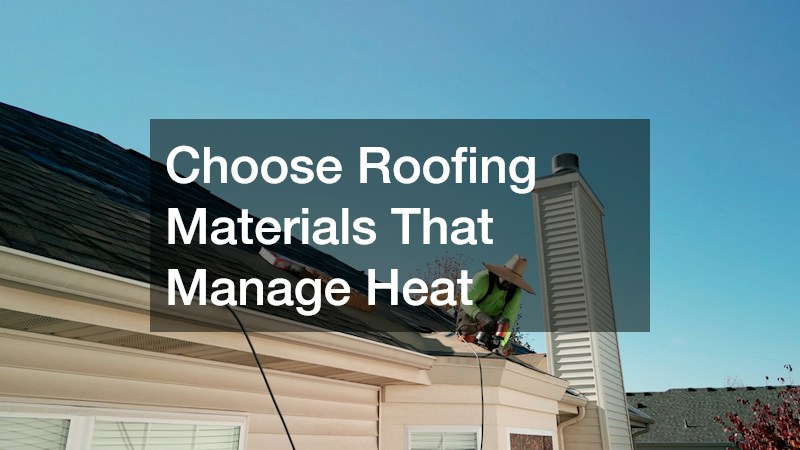
Roofing materials influence how much sunlight a roof absorbs and how much heat transfers into the building. In warmer climates, reflective materials can help reduce roof surface temperatures and lower cooling demand, particularly on buildings with large exposed roof areas.
Asphalt shingle roofing remains a common option for residential properties. Energy performance varies by product, color, ventilation, and the insulation beneath the roof. Some shingles are designed with reflective granules that can help reduce solar heat absorption.
Other options, including reflective membranes and specialized roof coatings, may be suitable for particular buildings. However, reflective materials are not automatically the best choice in every climate. In colder regions, reducing unwanted heat gain may have different implications than it does in consistently hot environments.
When comparing roofing options, evaluate:
- Solar reflectance: How effectively the material reflects incoming sunlight.
- Thermal emittance: How effectively the surface releases absorbed heat.
- Insulation compatibility: Whether the complete roof assembly limits heat transfer.
- Durability: How well the material withstands local weather conditions.
- Life-cycle costs: The expected installation, maintenance, and replacement expenses.
A roofing system should be selected based on the building’s needs rather than appearance alone. Combining suitable materials with effective insulation and ventilation generally yields better results than relying on reflective surfaces alone.
Improve Energy Performance in Commercial Buildings
Commercial properties often have extensive roof areas, large HVAC systems, and lighting that operates for long periods. These characteristics can create significant opportunities to reduce energy consumption through targeted improvements.
Start by reviewing operating schedules and identifying spaces that are heated, cooled, or illuminated when they are not in use. Adjusting equipment schedules and installing automatic controls may produce savings without requiring major construction.
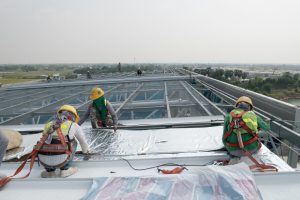
The roof is another important consideration. Commercial roofing systems can incorporate reflective membranes, appropriate insulation, and effective drainage to help manage heat transfer and protect the building from moisture.
TPO membranes are commonly used on low-slope commercial roofs because their reflective surfaces can help reduce solar heat absorption. Property owners can consult TPO roofers to evaluate membrane condition, seam integrity, insulation needs, and compatibility with the existing roof structure. Actual energy savings depend on factors such as climate, insulation levels, and building operations.
Experienced roofing contractors can assess existing materials, identify deterioration, and recommend improvements based on the building’s requirements. For larger projects, commercial roofing contractors may help coordinate roofing work with insulation upgrades, drainage improvements, and operational schedules.
Before committing to a project, consider:
- The condition and expected service life of the existing roof.
- Opportunities to increase insulation during roof replacement.
- Reflective material options appropriate for the local climate.
- Potential disruption to employees, customers, or tenants.
- Expected maintenance costs and long-term energy benefits.
Evaluating these factors together helps property owners make improvements that support energy performance without overlooking durability or operational needs.
Maintain Heating, Cooling, and Ventilation Systems

Heating and cooling equipment can consume substantial amounts of energy, especially when systems are poorly maintained or operate inefficiently. Regular servicing helps equipment deliver the required performance while reducing unnecessary energy use.
Replace or clean air filters according to manufacturer recommendations. Dirty filters restrict airflow, which can make equipment work harder and reduce comfort. Schedule professional inspections to check electrical components, refrigerant levels where applicable, coils, and other system components.
Ductwork also deserves attention. Leaking or poorly insulated ducts can waste conditioned air, particularly when they pass through attics, crawl spaces, or other unconditioned areas.
Additional improvements include:
- Installing programmable or smart thermostats.
- Adjusting temperature settings when spaces are unoccupied.
- Sealing accessible duct leaks.
- Insulating ducts in unconditioned spaces.
- Using zoning controls to address different heating and cooling needs across areas.
Proper ventilation remains essential, even when reducing energy use is a priority. Exhaust fans, ventilation systems, and humidity controls help maintain indoor air quality and prevent excess moisture from accumulating.
Replace Inefficient Lighting and Reduce Electricity Use
Lighting upgrades offer a practical way to reduce electricity consumption. LED bulbs use less energy than traditional incandescent bulbs and generally last longer, reducing both replacement frequency and maintenance expenses.
Begin by identifying areas where lights remain on unnecessarily. Storage rooms, restrooms, corridors, and other intermittently used spaces may benefit from occupancy sensors. Daylight sensors can adjust lighting in areas that receive sufficient natural light.
Property owners can also reduce unnecessary electricity use by selecting fixtures that provide appropriate illumination without excessive brightness. Task lighting can illuminate work areas more efficiently than relying entirely on overhead fixtures.
Consider these additional measures:
- Replace frequently used incandescent bulbs with suitable LEDs.
- Install timers or automatic controls where appropriate.
- Turn off equipment and lighting when spaces are unoccupied.
- Use natural daylight without creating excessive solar heat gain.
- Review lighting schedules in commercial buildings.
Although individual changes may seem small, savings can accumulate across a large property. Reviewing lighting and equipment use together can reveal opportunities to reduce electricity demand without sacrificing comfort or productivity.
Create a Preventive Maintenance Schedule
Energy efficiency can decline over time as seals deteriorate, insulation is damaged, equipment ages, and roofing materials are exposed to weather. Preventive maintenance helps identify these problems before they lead to larger repairs or prolonged energy waste.
Create a seasonal checklist that covers the building’s major systems. In spring, inspect for winter damage and check for leaks. During summer, evaluate cooling performance and examine areas exposed to intense sunlight. In the fall, prepare the building for colder weather by checking seals, insulation, and heating equipment.
A qualified roofing contractor can inspect roof coverings, flashing, drainage, and other vulnerable areas. Addressing damage promptly helps prevent moisture from compromising insulation or damaging interior materials.
Keep records of inspections, repairs, equipment servicing, and utility bills. These records make it easier to identify recurring problems and plan future improvements.
A practical maintenance schedule should include:
- Roof and drainage inspections.
- Window and door seal checks.
- HVAC servicing and filter replacement.
- Insulation and ventilation assessments.
- Checks for water intrusion and unusual drafts.
After severe weather, inspect vulnerable areas for damage. Prompt action can prevent a small defect from becoming an expensive repair or a persistent source of energy loss.
Track Results and Plan Future Upgrades
Once improvements are complete, monitor energy consumption to determine whether they are delivering the expected results. Compare utility bills from similar periods and account for weather, occupancy, and changes in operating schedules.
For example, lower electricity use during a mild summer does not necessarily prove that a roof upgrade reduced cooling demand. Comparing consumption across similar weather conditions provides a more useful assessment.
Smart meters and energy monitoring systems can help identify unusual consumption patterns, unnecessary equipment operation, and opportunities for further improvement.
Property owners should prioritize future projects based on their expected benefits, costs, urgency, and useful life. Correcting a significant air leak may be more cost-effective than replacing otherwise functional equipment. Conversely, an aging system that requires frequent repairs may justify a more substantial investment.
Property owners do not need to complete every improvement at once. Starting with an energy audit, addressing major problems, and prioritizing projects according to cost and expected benefits can make the process more manageable.
With a practical long-term plan, property owners can control operating expenses, protect building components, and maintain more consistent energy performance year-round.