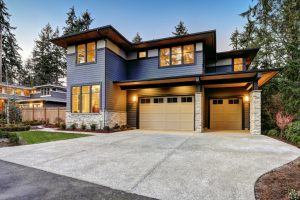

Preparing a home for the real estate market is far more complex than applying a fresh coat of interior paint and staging the living room with modern furniture. Today’s buyers are increasingly discerning, well-informed, and wary of deferred maintenance issues that could turn into expensive financial burdens after closing. When prospective buyers step onto a property, they observe both aesthetic appeal and structural health. A home that demonstrates meticulous care, documented maintenance records, and proactive structural repairs commands a premium price and sells significantly faster than a property with visible wear or unaddressed deferred maintenance.
Before drafting a listing agreement or hosting an open house, every homeowner should execute a comprehensive pre-listing evaluation. This process involves distinguishing between minor cosmetic touches and major structural or utility overhauls that could compromise an inspection contingency. By systematically addressing structural integrity, outdoor living spaces, environmental health, and utility systems, you protect your asking price and prevent buyer renegotiations or unexpected repair credits during escrow. Below is a strategic, step-by-step framework to guide your pre-listing property upgrades.
Structural Integrity and Curb Appeal Improvements
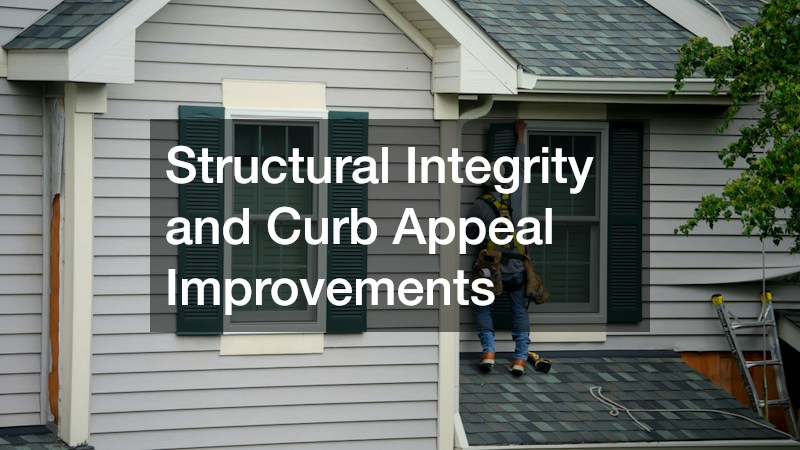
The exterior shell of your home provides the very first physical impression to buyers, real estate agents, and property appraisers. Beyond immediate visual attraction, the exterior envelope protects the home from water intrusion, wind damage, and structural instability. Resolving masonry deficiencies and managing overhanging vegetation before listing protects your property value and sets a confident tone for the rest of the buyer walkthrough.
Enhancing Masonry and Structural Stonework
Brick, stone, and mortar elements add timeless character and structural durability to a residential property. However, over decades of exposure to freeze-thaw cycles, ambient moisture, and soil settling, masonry elements inevitably experience degradation. Hairline fractures, flaking brick faces, and deteriorating mortar joints are not merely cosmetic flaws; they are open pathways for water to penetrate interior walls, damage framing, and foster mold growth. Prior to placing your home on the market, inspect all exterior chimneys, retaining walls, decorative veneer, and foundation facings for signs of wear.
Restoring historic or modern stonework requires specialized skills, tools, and materials that match the original mortar density and color profile. Hiring a qualified masonry contractor ensures that tuckpointing, repointing, and brick replacement are handled with structural precision. Attempting do-it-yourself repairs with incorrect cement mixtures can trap moisture within surrounding bricks, causing them to crack and spall under hydrostatic pressure. A professional mason will grind out failing mortar to the correct depth, apply breathable lime-based or Portland mortars appropriate for your specific structure, and seal porous stone surfaces against driving rain. Presenting pristine brickwork and a crack-free foundation reassures prospective buyers that the home has a sound, well-maintained structural envelope.
Preserving Large Trees and Managing Hazard Removal
Mature trees provide shading, lower summer cooling costs, and lend an established charm to any residential lot. However, overgrown, diseased, or poorly positioned trees pose significant risks to your home’s roof, foundation, and underground utility lines. Dead limbs overhanging the house are an obvious hazard during high winds or ice storms, while aggressive root systems can heave concrete driveways and compromise foundation footings.
When evaluating your property grounds, look for telltale signs of tree stress, such as hollow trunks, fungal growth at the root flare, bark shedding, or dead canopy sections. Contracting certified arborists for targeted tree removals eliminates safety liabilities that could otherwise cause an insurance inspector to raise red flags during the buyer’s underwriting process. Removing hazardous or failing trees opens up the canopy, letting natural sunlight flood into your yard and home interior, which dramatically improves listing photographs. Furthermore, clearing away decaying timber eliminates harboring grounds for wood-destroying insects like carpenter ants and termites, keeping your home safer and cleaner.
High-Impact Exterior Aesthetic and Living Space Enhancements
Outdoor living areas have shifted from secondary features to major decision-making factors for modern home buyers. Properties that seamlessly blend indoor comfort with functional outdoor spaces consistently generate stronger offer volume. Refreshing your home’s exterior finishes while showcasing versatile, four-season functional areas allows buyers to imagine living and entertaining on the property from day one.
Refreshing Exterior Surfaces and Siding Finish
Faded, peeling, or chalking exterior paint immediately communicates deferred maintenance to anyone arriving at the property. Weathered siding allows moisture to penetrate structural framing, leading to wood rot, swelling, and costly substrate repairs if left untreated. Before listing, power wash all exterior surfaces, trim, fascia boards, soffits, and architectural details to remove dirt accumulation, mildew, and chalked paint residues.
Investing in professional house painters to apply high-quality, weather-resistant exterior paint yields one of the highest returns on investment of any pre-listing project. Choose modern, neutral color palettes that harmonize with the surrounding landscape and neighborhood architectural styles. Experienced painters know how to properly prepare surfaces through scraping, sanding, caulking expansion joints, and priming bare wood before applying topcoats. Attention to detail on front doors, window casings, and decorative trim creates a crisp, vibrant look that translates into striking digital marketing photography—the primary venue where buyers form their first impression.
Transforming Four-Season Enclosures for Greater Usable Square Footage
Covered porches, screen rooms, and sunrooms represent prime opportunity zones for boosting a property’s functional living space. When staged properly, these areas serve as transitional sanctuaries for relaxing, dining, or working from home. If your property features a three-season room or covered patio space, converting or restoring it into a pristine, fully usable room significantly increases the perceived square footage of your residence.
Upgrading or staging enclosed patios involves ensuring all glass panels, screen enclosures, sliding tracks, and structural supports are structurally sound, clean, and draft-free. Replace cracked window panes, repair torn mesh screens, and clean all tracks so sliding doors operate smoothly. Consider adding climate-control elements such as an energy-efficient ceiling fan, space heater, or ductless mini-split system to demonstrate year-round utility. Staging these areas with weather-resistant furniture, ambient lighting, and potted plants transforms what might look like an underutilized porch into a high-value outdoor living retreat.
Hardscaping and Environmental Pest Remediation
A beautiful home exterior can be severely undermined by poorly graded yards or subtle signs of pest activity. Buyers want confidence that the land surrounding the home effectively sheds water away from the foundation and that the interior envelope is entirely free of unwanted pests. Combining smart hardscape design with comprehensive pest exclusion creates a clean, secure environment.
Upgrading Hardscapes and Exterior Yard Design
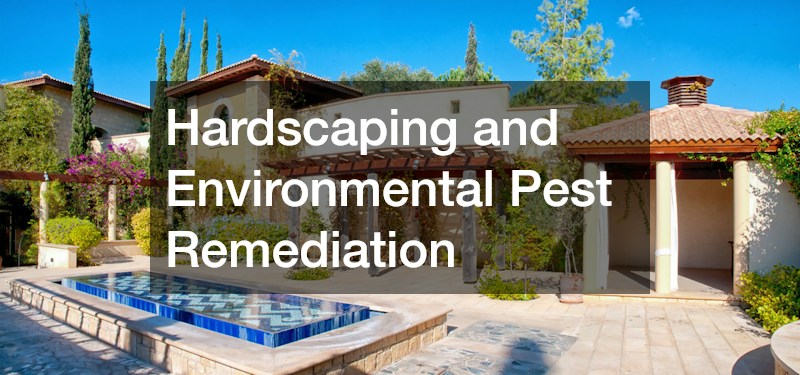
The physical contours and hardscape elements of your yard govern how water moves across the property during severe weather events. Soil sloped toward the house directs rainwater directly against foundation walls, increasing the risk of basement seepage and hydrostatic pressure buildup. Additionally, cracked walkways, uneven pavers, and deteriorating retaining walls present trip hazards and signal neglect.
Allocating funds toward professional landscape construction allows you to correct drainage slopes while installing attractive, long-lasting hardscape features. Re-grading flower beds, establishing stone swales, and constructing functional retaining walls ensures stormwater is directed safely toward municipal runoff systems or natural drainage areas. Incorporating structured paver walkways, clean granite borders, and defined patio areas creates a cohesive flow between the house and the garden. Framing these hardscapes with low-maintenance, drought-tolerant native plants and fresh mulch minimizes post-closing maintenance anxieties for buyers, giving your yard a polished, resort-like appearance.
Eliminating Rodent Activity and Sealing Entry Points
Unseen pests pose a severe threat to a pending real estate sale. The presence of mice, rats, or other rodents in attics, crawlspaces, or basement utility areas can result in failed home inspections, damaged electrical wiring, contaminated insulation, and immediate buyer cancellation. Even minor evidence, such as droppings or chewed baseboards, creates anxiety about sanitation and structural hygiene.
Prior to opening your home to public showings, perform a rigorous inspection of all crawlspaces, sill plates, attic spaces, and utility line penetrations. Partnering with a reputable local mice exterminator provides a thorough, professional assessment of potential infestation vectors and active pest presence. An exterminator will execute a targeted eradication strategy and install commercial-grade exclusion materials—such as heavy-gauge steel mesh, metal flashing, and specialized polyurethane sealants—around foundation vents, pipe penetrations, and rooflines.
Critical Utility Systems and Water Management
While cosmetic upgrades catch a buyer’s eye, mechanical and utility systems dictate whether a transaction actually crosses the finish line. Buyers and mortgage lenders scrutinize water supply systems, water quality, and plumbing infrastructure. Demonstrating that your home’s private water supply and filtration systems are tested, fully functional, and well-maintained removes major hurdles during escrow.
Verifying Private Well System Health and Flow Capacity
For properties located in rural or semi-rural areas that rely on private wells, the condition of the water extraction system is critical. A failing well pump, depleted pressure tank, or low-yield aquifer can completely derail a sale, as conventional lenders require proof of adequate water volume and potability before approving mortgage loans.
Arranging for comprehensive water well inspections before listing your property ensures that every component of your private water system meets municipal and lender standards. A certified technician will conduct a flow rate test to measure gallons per minute, evaluate pump motor electrical draw, check pressure tank bladder integrity, and test safety cut-off switches. Simultaneously, laboratory water samples must be collected at the wellhead to verify the absence of coliform bacteria, nitrates, nitrites, heavy metals, and volatile organic compounds.
Optimizing Potable Water Quality and Appliance Lifespan
Even when a well or municipal water source meets basic health standards, aesthetic water issues such as high mineral content, sulfur odors, iron staining, or excessive hardness can turn off prospective buyers. Hard water leaves unsightly mineral crust on fixtures, stains glass shower doors, and scales up water heaters, dishwasher elements, and plumbing lines, shortening their operational lifespan.
Installing or upgrading a home water filtration system dramatically enhances the quality of water flowing through every tap in the house. Depending on your water composition, this may involve a whole-house water softener, an iron and sulfur reduction system, or a multi-stage reverse osmosis unit for drinking water. Highlighting a modern, high-efficiency filtration setup during home tours signals to buyers that you have cared for the property’s internal plumbing network.
Wastewater Infrastructure and Boundary Compliance
Two of the most complex, potentially expensive aspects of real estate transactions involve underground wastewater management and legal property lines. Problems in either area can halt escrow, trigger municipal stop-work orders, or result in severe financial penalties. Addressing these critical utility and legal requirements ahead of time eliminates escrow volatility.
Servicing On-Site Wastewater Infrastructure
If your property relies on an on-site septic system rather than a municipal sewer connection, it will undergo strict inspection by local health authorities or private inspectors during the sale process. A neglected septic tank or failing drainfield can cost tens of thousands of dollars to replace, making wastewater infrastructure a top concern for buyers.
Scheduling routine septic service well in advance of marketing your home is essential for verifying system health. A licensed sanitation contractor will pump out accumulated sludge and scum from the septic tank, inspect structural baffles for corrosion or damage, jet distribution pipes, and evaluate the absorption field’s drainage efficiency. If minor repairs—such as replacing a cracked tank lid, installing an effluent filter, or repairing a distribution box—are required, doing them proactively avoids emergency repair costs under tight contract deadlines.
Clarifying Title Boundaries and Property Easements
Unresolved boundary lines, fence encroachments, or unrecorded access easements can create severe legal complications right before closing. Buyers, title insurance companies, and mortgage lenders require absolute clarity regarding exact land boundaries and property ownership rights. If a neighbor’s shed sits partially on your lot, or if your driveway crosses an unrecorded easement, closing can be delayed indefinitely.
Consulting experienced property lawyers early in the pre-listing preparation phase helps identify and resolve potential title or boundary discrepancies before they threaten a deal. Legal counsel can review existing property surveys, analyze title commitments for restrictive covenants, and draft clear boundary line agreements or easement deeds with adjacent property owners if needed.
Maximizing Value Through Strategic Preparation
Preparing your property for the competitive real estate market requires a balanced approach that combines structural maintenance, mechanical reliability, aesthetic appeal, and legal diligence. While cosmetic staging creates initial interest in online photo galleries, it is the underlying quality of the home’s foundational, utility, and environmental systems that secures firm offers and carries transactions through escrow.