

There are few property issues that induce as much immediate anxiety as discovering a water leak coming from above. Whether you notice a dark, spreading stain on your living room ceiling after a heavy spring storm, or you walk into your business to find inventory ruined by overnight water ingress, the realization that the protective envelope of your building has failed is universally stressful. Your property is likely your most significant financial asset, and the structure at the very top of it is the first and most crucial line of defense against the elements. When that defense is compromised, the clock immediately starts ticking on secondary damage like structural rot, electrical hazards, and pervasive mold growth.
Faced with this urgency, many property owners make the critical mistake of rushing the hiring process. It is incredibly tempting to simply search online, call the first available number, and accept the lowest possible bid just to get the problem out of sight and out of mind. However, taking the cheapest route under pressure frequently leads to disastrous long-term consequences. A poorly executed installation or a rushed patch job can result in voided manufacturer warranties, unsafe working conditions on your property, and catastrophic hidden water damage that might not reveal itself until years later when the original workers are long gone.
To protect your investment, you must approach this hiring process with the same level of rigorous vetting you would apply to a major medical procedure or a massive financial investment. This comprehensive guide is designed to provide you with an in-depth, logical, and step-by-step blueprint for navigating this high-stakes industry. From conducting your initial, safe visual assessments and verifying complex legal credentials, to matching the unique architectural demands of your building with the exact type of expertise required, we will cover every critical phase. By slowing down and following these steps, you can transition from a state of emergency to a place of absolute confidence, ensuring you hire a team capable of delivering lasting, high-quality results.



Evaluating Your Needs and Sourcing Candidates
Before you even pick up the phone to schedule an estimate, you need to understand the basic scope of your problem and compile a list of reputable candidates. This initial phase is all about gathering preliminary information and tapping into your community for verified recommendations.
Conduct a Safe Visual Inspection of the Damage First
Your very first step is to assess the situation yourself, but this must be done with absolute adherence to safety. You should never attempt to climb a ladder or walk on a steep incline if you are not professionally trained. Falls are incredibly dangerous, and a compromised structure is unpredictable. Instead, you can gather a massive amount of information with your feet firmly planted on the ground.
-
Ground-Level Assessment: Walk around the entire perimeter of your property, ideally using a pair of binoculars. Look for obvious signs of distress such as missing, cracked, or curling shingles. Pay close attention to the metal flashing around chimneys, skylights, and vent pipes, as these are the most common points of failure. Look for excessive granule loss, which often looks like dark, bald patches on the surface or thick sediment accumulating at the bottom of your downspouts.
-
The Attic Inspection: If you have safe access to an attic or crawlspace, take a powerful flashlight up there during the daytime. Turn off the lights and look for any tiny pinpricks of daylight shining through the wooden decking. Investigate the insulation for dark water stains, dampness, or a musty odor, which strongly indicates slow, persistent moisture intrusion.
-
Documenting the Evidence: Take clear photographs of any damage you can safely see, including interior water stains on ceilings or walls. Having this visual evidence organized will help you communicate clearly when you begin reaching out for professional estimates.
Gather Recommendations from Trusted Community Sources
Once you have a general idea of the damage, you need to build a shortlist of potential candidates. While internet search engines are a helpful starting point, your best initial leads will come from the people living and working in your immediate vicinity.
-
Leverage Neighborhood Networks: Speak to neighbors, family members, and friends who have recently had similar work done. Ask them directly about their experience regarding communication, punctuality, and how the crew treated their property. Community message boards and neighborhood social media groups are also excellent resources for soliciting unbiased opinions.
-
The Value of Regional Expertise: There is a distinct advantage to prioritizing local roofers when building your shortlist. Professionals who are deeply embedded in your specific region thoroughly understand the local climate challenges—whether that means bracing for heavy snow loads, hurricane-force winds, or intense, blistering sun. Furthermore, they are intimately familiar with your municipal building codes and the local permitting process, ensuring your project remains legally compliant from start to finish.
-
Verify Physical Presence: Always ensure that the candidates you are considering have a physical, verifiable office address nearby, rather than just a P.O. Box or a mobile phone number. A brick-and-mortar location indicates a level of stability and permanence in the community, reducing the risk of hiring “storm chasers” who travel from town to town and vanish after the work is complete.
Filter Initial Candidates Through Objective Reviews
With a list of names compiled from your community, it is time to turn to the internet to ruthlessly filter down your options based on objective, third-party feedback.
-
Spotting Review Manipulation: When evaluating different roofing companies online, do not just glance at the overall star rating. You must read the actual text of the reviews. Be deeply skeptical of businesses that have hundreds of vague, five-star reviews left over a remarkably short period, as these can easily be purchased. Look for detailed, multi-paragraph reviews that mention specific employees by name or describe the exact nature of the project.
-
Analyzing the Negative Feedback: A company with a few negative reviews is not necessarily a bad choice; in fact, a perfect five-star record is often a statistical anomaly for a business that has been operating for decades. The critical factor is how the business responds to that criticism. Do they argue aggressively with the customer, or do they offer a professional, measured response that seeks to rectify the issue? A professional response to a mistake is a strong indicator of a company’s integrity.
-
Check Independent Bureaus: Cross-reference your top candidates with independent consumer protection agencies like the Better Business Bureau. Look specifically for a history of unresolved complaints regarding warranty fulfillment or property damage. If a company has a pattern of ignoring post-installation issues, cross them off your list immediately.
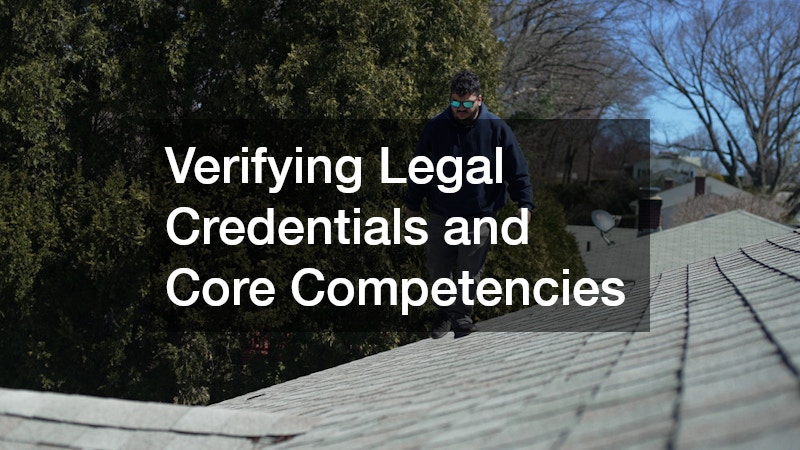
Verifying Legal Credentials and Core Competencies
Once you have narrowed your list down to three or four highly rated candidates, the next phase involves rigorous legal and technical vetting. This is where you separate the legitimate professionals from the liabilities. You must demand documentation and refuse to take anyone at their word.
Demand Proof of Insurance and Proper Licensing
This is arguably the most critical step in the entire hiring process. Construction at elevated heights is inherently dangerous, and you must ensure you are legally and financially insulated from any accidents that might occur on your property.
-
General Liability Insurance: This type of insurance protects your actual property. If a worker accidentally drops a heavy tool through your skylight, or if a poorly secured tarp allows a sudden rainstorm to flood your living room, general liability insurance covers the cost of those damages. Without it, you would have to file a claim against your own homeowner’s policy or sue the business directly, which is a lengthy and expensive nightmare.
-
Worker’s Compensation: This is even more critical. If a worker slips and falls off the edge of your building and suffers a severe injury, worker’s compensation covers their medical bills and lost wages. If the roofing contractor you hire does not carry this specific insurance, the injured worker can legally sue you, the property owner, for their medical expenses because the injury occurred on your premises. You must ask to see physical copies of these insurance certificates and verify that the policies are currently active.
-
Municipal and State Licensing: Every state and municipality has different requirements for construction trades. Verify that the candidate holds all the necessary state licenses to perform structural work in your area. A valid license proves that they have passed the required competency exams and understand the foundational building codes required to keep a structure safe.
Check Manufacturer Certifications and Installation Warranties
A new installation is only as good as the warranty that backs it up. However, the world of construction warranties is notoriously complex, and property owners must understand exactly what they are getting before signing a contract.
-
Workmanship vs. Material Warranties: There are two distinct types of warranties you must secure. The first is the workmanship warranty, which is provided directly by the crew performing the labor. This covers installation errors, such as improper nailing techniques or poorly sealed flashing. The second is the manufacturer’s material warranty, which covers the physical products themselves against factory defects.
-
The Importance of Factory Certification: The most robust, long-lasting material warranties offered by major manufacturers are only valid if the materials are installed by a factory-certified professional. Manufacturers require these professionals to undergo specific training to ensure their products are installed exactly according to precise factory specifications. If you hire an uncertified crew, the manufacturer will likely void your material warranty the moment an error is discovered. Always ask for proof of manufacturer certifications to ensure your investment is fully protected.
Review the Comprehensive Scope of Offerings
A truly competent professional understands that the top of your building is not just a collection of overlapping shingles; it is a complex, interconnected ecosystem designed to breathe and shed water efficiently.
-
Beyond the Surface Layer: When reviewing the portfolio of a candidate, look deeply at the comprehensive roofing services they provide. Do they merely strip and nail down new surface materials, or do they conduct a thorough inspection of the underlying wooden decking to replace rotting plywood?
-
Ventilation and Insulation: A proper installation requires a deep understanding of attic ventilation. Without the right balance of intake vents (at the soffits) and exhaust vents (at the ridges), heat and moisture will become trapped in your attic. This trapped moisture will literally bake the new shingles from the inside out, cutting their lifespan in half and voiding the manufacturer’s warranty. Ensure your chosen professional includes a full ventilation audit in their estimate.
-
Water Management Systems: The ecosystem also includes how water is directed away from the foundation of the building. Your candidate should be highly proficient in installing and repairing heavy-duty drip edges, ice and water shields in vulnerable valleys, and properly pitched gutter systems to ensure heavy rainfall is safely diverted away from your property.
Navigating Standard Home Projects and Upgrades
For the vast majority of homeowners, the project will involve standard materials like architectural asphalt shingles. While these materials are common, the process of tearing off and replacing them is highly disruptive. You must hire a team that respects your daily life and your property during the chaos of construction.
Determine if You Need Minor Repairs or a Complete Overhaul
One of the most difficult decisions a homeowner faces is deciding when to stop patching leaks and commit to a total structural overhaul. A trustworthy professional will help you navigate this cost-benefit analysis honestly.
-
The Repair Scenario: If your home is relatively young and the damage is localized—perhaps a tree branch scraped off a small section of shingles during a storm, or a single piece of flashing has rusted around a chimney—a targeted repair is usually the most financially sound option. A good crew can isolate the damage, weave in matching materials, and restore the integrity of the barrier for a fraction of the cost.
-
The Tipping Point: However, there is a tipping point where repairs become a waste of money. If the overall structure is approaching the end of its expected lifespan (typically 20 to 25 years for standard asphalt), or if you are experiencing multiple, disconnected leaks across different rooms, patching is no longer viable. In these scenarios, a full roof replacement is the safest, most cost-effective long-term strategy. Continually paying for emergency patches on a failing structure is like putting premium tires on a car with a dying engine; it is a temporary illusion of safety.
Seek Out Professionals Dedicated to Everyday Home Designs
While it might be tempting to hire a massive, multi-state corporation that builds skyscrapers and shopping malls, the average homeowner is usually better served by a team tailored to domestic architecture.
-
Nuances of Domestic Architecture: You should prioritize hiring a dedicated residential roofing company that specializes in the specific nuances of steep-slope domestic architecture. Homes have complex geometries—dormers, intricate valleys, bay windows, and attached garages—that require a different touch than sprawling, flat industrial warehouses.
-
Navigating Neighborhood Rules: Professionals who focus on domestic projects are also vastly more experienced in dealing with the bureaucratic hurdles of residential living. They know how to navigate strict Homeowner Association (HOA) guidelines, which often dictate exact color palettes, material types, and permissible construction hours. They are accustomed to pulling the correct residential permits and ensuring the final aesthetic seamlessly matches the character of the surrounding neighborhood.
Ask About Property Protection During Demolition
The demolition phase of this project is incredibly violent. Thousands of pounds of old materials, rusted nails, and splintered wood will be ripped off your home and thrown toward the ground. How a crew manages this chaos is a true test of their professionalism.
-
Protecting the Landscaping: Before you sign a contract, ask the project manager explicitly how they plan to protect your property. A professional crew will use heavy-duty tarps to cover your manicured flower beds, expensive shrubbery, and delicate AC units. They should also use specialized wooden barriers to protect your windows from falling debris.
-
Driveway Safety: Large roll-off dumpsters are incredibly heavy and can easily crack a concrete or asphalt driveway if dropped carelessly. Ensure the crew plans to use thick wooden planks to distribute the weight of the dumpster and protect your driveway’s surface.
-
The Magnetic Sweep: A standard residential tear-off will scatter thousands of loose nails into your grass. If left behind, these pose a severe hazard to children, pets, and lawnmower tires. Demand that the contract includes a rigorous, multi-pass magnetic sweep of your entire lawn and driveway at the end of every single workday to ensure absolute safety.
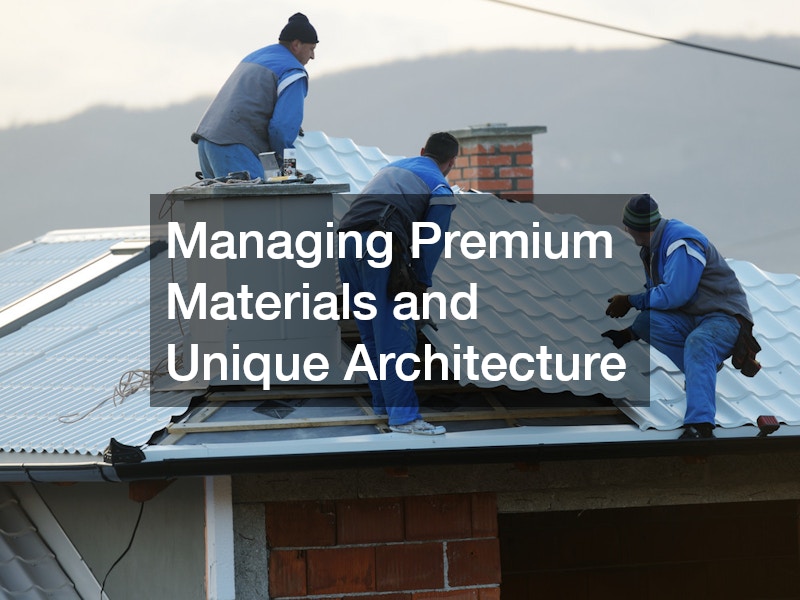
Managing Premium Materials and Unique Architecture
If you own a historic property, a luxury custom build, or live in an environment with extreme weather constraints, standard architectural shingles may not be appropriate. Upgrading to premium materials changes the entire dynamic of the hiring process, requiring a completely different caliber of expertise.
Identify When Standard Materials Won’t Cut It
Certain architectural styles and environmental demands require materials that offer superior longevity, unique aesthetics, or extreme durability. These materials, however, are unforgiving and cannot be installed by a generalist.
-
Heavyweight Materials: Materials like natural slate, authentic clay barrel tiles, or thick concrete tiles offer unparalleled beauty and can last for over a century. However, they are incredibly heavy. You must hire specialized roofers who understand structural engineering. These experts will know how to assess the underlying trusses and joists to ensure the framing of the house can actually support the massive added weight without bowing or collapsing.
-
Complex Metal Systems: Standing seam metal is highly sought after for its modern look and extreme resistance to fire and wind. However, metal expands and contracts significantly with temperature changes. If a generalist rigidly fastens metal panels without using the proper hidden, sliding clip systems, the metal will buckle, warp, and eventually tear the fasteners out, leading to massive leaks. You must hire a team specifically trained in the exact metallurgy and fastening requirements of the product you choose.
Validate Portfolios for High-End Wood Installations
One of the most beautiful, traditional, and complex premium materials available is natural wood. This aesthetic provides a rustic, incredibly high-end look, but the installation mechanics are entirely different from standard asphalt.
-
The Need for Breathability: Wood is organic; it expands when wet and shrinks when dry. It must be allowed to breathe. If a crew nails wood directly flat against a solid deck, moisture will become trapped underneath, and the entire investment will rot from the bottom up in a matter of years.
-
Vetting the Expertise: If you desire this specific aesthetic, you must strictly hire experienced cedar shake residential roofers. These artisans understand the absolute necessity of installing complex, interlaced breathing layers—such as cedar breather meshes or skipped sheathing—to allow air to flow beneath the wood.
-
Demand Physical Proof: Because this material is so expensive and unforgiving, do not rely on digital photographs of their past work. Ask the candidates for the physical addresses of wood projects they completed five to ten years ago. Drive by those properties to see how the wood has naturally weathered. If the wood looks warped, deeply blackened by mold, or is curling aggressively, cross that candidate off your list immediately.
Understand the Maintenance Realities of Premium Upgrades
Premium materials often come with premium maintenance requirements. A reputable expert will not just sell you the material and walk away; they will educate you on the lifelong realities of owning it.
-
Ongoing Care: Natural wood requires periodic treatments with specialized oils or preservatives to prevent drying and cracking, as well as regular treatments to inhibit moss and algae growth in damp climates. Slate and clay tiles, while incredibly durable against weather, are fragile under direct foot traffic; you cannot allow a standard gutter cleaner or holiday light installer to walk casually across a slate surface without risking shattered tiles.
-
Budgeting for the Future: Instruct the candidates to provide a detailed outline of the expected bi-annual or annual maintenance costs associated with your chosen premium material. Understanding these long-term financial commitments is crucial before finalizing your upgrade decision.
Addressing the Scale of Business and Industrial Properties
Transitioning from domestic structures to massive commercial facilities requires a complete shift in scale, materials, and logistical management. The stakes for a business property are exponentially higher, as a failure here can shut down operations, ruin millions of dollars in inventory, and result in severe liability claims.
Recognize the Differences in Flat and Low-Slope Systems
Industrial warehouses, retail centers, and office buildings rarely have steep pitches. Because they are flat or low-sloping, they do not rely on gravity to shed water quickly, which introduces a host of unique engineering challenges.
-
Distinct Material Science: Managing water on a flat surface requires creating a perfectly watertight, monolithic membrane. This involves entirely different materials under the umbrella of commercial roofing, such as single-ply TPO (Thermoplastic Polyolefin), EPDM (heavy-duty rubber), or traditional multi-layered built-up tar-and-gravel systems. These materials must be meticulously heat-welded or chemically adhered at the seams to prevent pooling water from seeping through.
-
Navigating Rooftop Obstacles: Unlike a home, an industrial flat surface is usually crowded with massive, heavy equipment. There are enormous HVAC units, intricate exhaust fans, plumbing vents, and sometimes extensive solar panel arrays. Every single one of these penetrations is a major leak risk and requires highly specialized flashing boots, pitch pockets, and customized sealants to remain watertight under constant environmental stress.
Hire Teams Equipped for Large-Scale Logistics and Safety
You cannot hire a team of four guys with a pickup truck to handle a 50,000-square-foot warehouse. The sheer scale of a business project demands a massive corporate infrastructure.
-
Manpower and Equipment: A large facility requires heavy-duty commercial roofers who have access to significant capital and equipment. They need commercial-grade cranes to lift heavy rolls of membrane, massive specialized dump trucks for rapid debris removal, and a vast labor force capable of completing the job quickly to minimize exposure to the elements.
-
Strict OSHA Compliance: The safety requirements on a massive, flat industrial site are incredibly stringent. The team must be flawlessly trained in OSHA compliance, utilizing elaborate perimeter warning lines, heavy-duty safety harnesses, and highly secure tie-off points to prevent devastating falls. A lapse in safety here can result in massive fines and project shutdowns.
-
Minimizing Business Disruption: A true professional team understands that your business must remain operational during construction. They will work closely with facility managers to coordinate staging areas that do not block loading docks, manage the harsh chemical smells associated with adhesives so they do not enter the building’s air intake, and sequence the tear-off in small, manageable sections to ensure no part of the interior is ever left exposed to the sky overnight.
Negotiate Preventative Maintenance Contracts for the Future
The most critical aspect of managing a massive industrial facility is catching minor issues before they become catastrophic internal floods. Once the new installation is complete, your relationship with the installation team should not end.
-
Proactive Protection: Property managers should immediately negotiate and establish an ongoing, bi-annual inspection and maintenance contract.
-
Routine Servicing: These contracts ensure that professionals regularly walk the massive surface to clear debris from critical internal scupper drains, check the integrity of heat-welded seams, and identify tiny punctures caused by careless HVAC technicians dropping tools. Catching a small membrane tear during a routine bi-annual inspection costs a few hundred dollars; catching it after it has allowed a rainstorm to destroy a warehouse full of electronics costs hundreds of thousands.
Conclusion
Navigating the process of repairing or replacing the primary defensive barrier of your property is undeniably stressful. It requires parsing through dense, technical jargon, coordinating with busy contractors, and making substantial financial commitments. However, the meticulous adherence to vetting credentials, understanding the specific architectural needs of your building, and demanding clear communication is precisely what guarantees a successful outcome.
When you prioritize rigorous research over securing the cheapest possible bid, you strip away the uncertainty and danger inherent in construction. Taking the time to verify insurance, insist on manufacturer certifications, and thoroughly review past performance ensures you are partnering with true experts who respect your property and your daily life. Use this guide as your uncompromising blueprint. Document your visible damage today, compile your list of mandatory questions, and begin reaching out to reputable candidates. By actively managing the hiring process, you secure not just a durable physical structure, but the invaluable peace of mind that your home or business is completely protected for decades to come.