
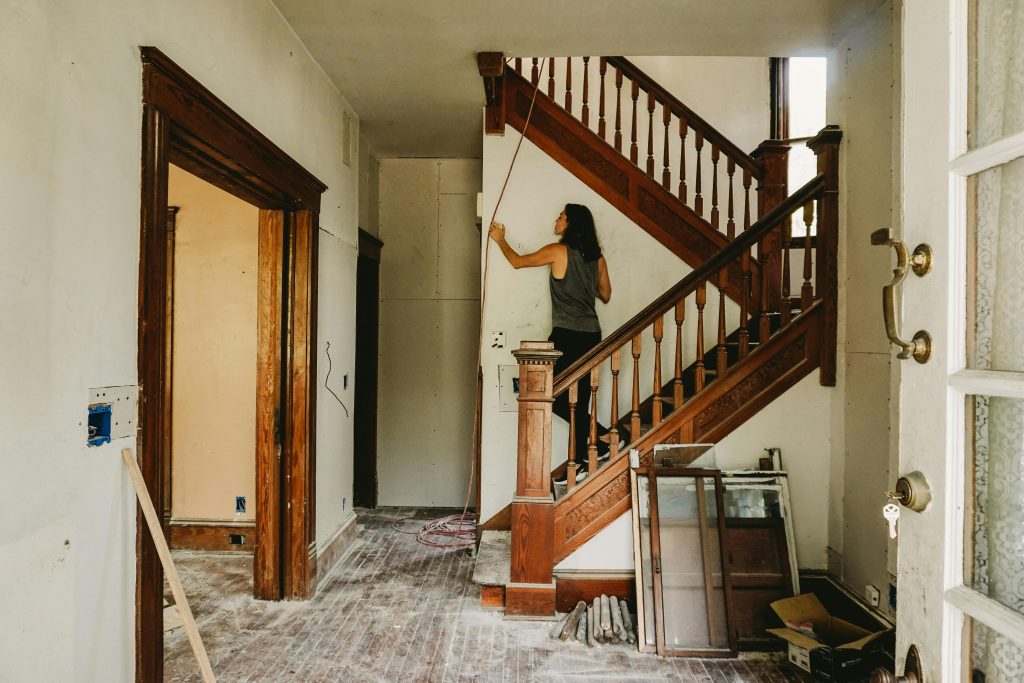
- Key Takeaways
- What Does a “Home Refresh” Mean?
- Sign #1: Your Home Feels Outdated
- Sign #2: Visible Wear and Tear
- Sign #3: Your Space No Longer Fits Your Lifestyle
- Sign #4: Rising Energy Bills
- Sign #5: You’re Planning to Sell
- Sign #6: You Feel Uninspired by Your Space
- Deciding Between a Refresh and a Renovation
- Focus on High-Impact Areas
- Budgeting for Your Home Refresh
- Simple Ways to Refresh Your Home
- When to Call a Professional
- Create a Refresh Plan
- Avoid Common Mistakes
- Think Long-Term
- Final Thoughts
Key Takeaways
- A home refresh can be simple or extensive, depending on your needs and your home’s condition.
- Signs like outdated design, visible wear, and rising energy costs indicate it’s time for updates.
- Your home should evolve with your lifestyle, so changes may be needed as your needs grow.
- Focus on high-impact areas like kitchens, bathrooms, and living spaces for the best results.
- Setting a clear budget and plan helps you avoid overspending and stay organized.
- Small, affordable updates can make a big difference in how your home looks and feels.
- Knowing when to handle projects yourself and when to hire professionals ensures better outcomes.
Your home should be a place where you feel comfortable, relaxed, and proud. But over time, even the best spaces can start to feel outdated, worn out, or less functional. Life changes, styles evolve, and everyday wear and tear can take a toll on your home.
The challenge is knowing when it’s time for a refresh—and how big that refresh should be. Do you need a simple update, or is it time for a full renovation?
In this guide, you’ll learn how to spot the signs that your home needs a refresh and what steps you can take to improve your space without unnecessary stress or expense.
What Does a “Home Refresh” Mean?
A home refresh doesn’t always mean a major renovation. It can be as simple as repainting walls, updating fixtures, or reorganizing your space.
In general, a refresh can fall into three levels:
- Light updates: Paint, décor, lighting changes
- Moderate improvements: New flooring, updated fixtures, minor remodeling
- Major renovations: Structural changes, full kitchen or bathroom remodels
Knowing which level you need depends on the condition of your home and your goals.
Sign #1: Your Home Feels Outdated
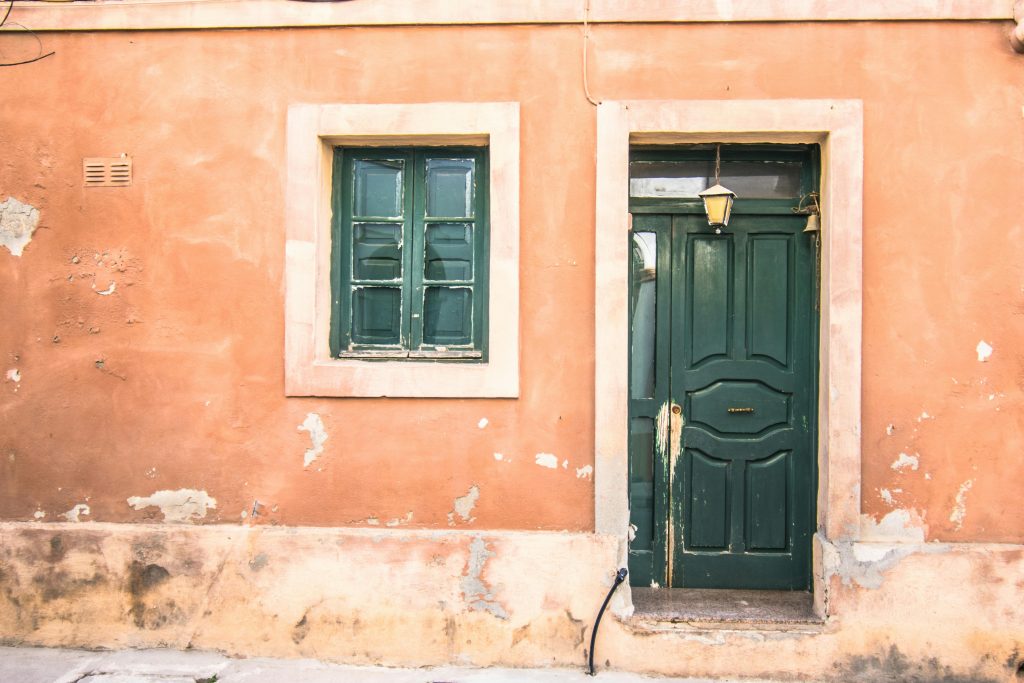
One of the first signs your home needs a refresh is when it starts to look or feel outdated.
This could include:
- Old paint colors or wallpaper
- Worn-out furniture or fixtures
- Outdated kitchen or bathroom designs
While trends come and go, a home that feels stuck in the past can affect both your comfort and your property value.
A simple refresh, like repainting walls or updating lighting, can instantly make your space feel more modern and inviting.
Sign #2: Visible Wear and Tear
Daily use naturally causes wear and tear. Over time, small issues can add up and make your home look tired.
Look for signs such as:
- Peeling paint
- Scratched floors
- Cracked tiles
- Stained carpets
These may seem like minor problems, but they can impact how your home looks and feels.
Fixing these issues early helps maintain your home’s condition and prevents bigger repairs later.
Sign #3: Your Space No Longer Fits Your Lifestyle
Your needs change over time. What worked for you a few years ago may not work now.
For example:
- You may need a home office
- Your family may have grown
- You may want more storage or open space
If your home no longer fits your lifestyle, it may be time for a refresh.
Simple changes like rearranging furniture, adding storage, or repurposing rooms can make a big difference.
Sign #4: Rising Energy Bills
If your energy bills are increasing without a clear reason, your home may need an upgrade.
Common causes include:
- Poor insulation
- Old windows or doors
- Inefficient appliances
Improving energy efficiency is a smart way to refresh your home while saving money.
Consider upgrades like:
- Sealing gaps and cracks
- Installing energy-efficient lighting
- Replacing outdated appliances
These changes can lower costs and improve comfort.
Sign #5: You’re Planning to Sell
If you’re thinking about selling your home, a refresh can increase its value and appeal.
Buyers are more attracted to homes that are:
- Clean and well-maintained
- Updated and move-in ready
- Bright and welcoming
Even small improvements, like fresh paint or updated fixtures, can make a big difference in how your home is perceived.
A refreshed home often sells faster and at a better price.
Sign #6: You Feel Uninspired by Your Space
Sometimes, the biggest sign is simply how you feel. If your home no longer excites you or feels comfortable, it may be time for a change.
Your home should reflect your personality and support your daily life.
Refreshing your space can:
- Improve your mood
- Increase productivity
- Make your home more enjoyable
Even small changes, like adding new décor or rearranging furniture, can have a big impact.
Deciding Between a Refresh and a Renovation
Not every home needs a full renovation. The key is knowing the difference between a simple refresh and a major upgrade.
A refresh is ideal when:
- The structure of your home is still in good condition
- You want to improve appearance and comfort
- Your budget is limited
A renovation may be needed when:
- There are structural issues
- Systems like plumbing or electrical need replacement
- You want to completely change the layout
Understanding when to renovate your home helps you avoid unnecessary costs and focus on the right improvements.
Focus on High-Impact Areas
If you’re not sure where to start, focus on areas that have the biggest impact.
Kitchen
The kitchen is one of the most important spaces in any home. Small updates like new cabinet hardware, lighting, or countertops can make a big difference.
Bathroom
Updating fixtures, mirrors, or tiles can quickly improve the look and function of your bathroom.
Living Areas
Fresh paint, new lighting, and updated furniture can transform your main living spaces.
When it comes to prioritizing kitchen upgrades for homeowners, even simple changes can increase both comfort and value.
Budgeting for Your Home Refresh

Before starting any project, set a clear budget.
Consider:
- Cost of materials
- Labor expenses
- Unexpected repairs
It’s a good idea to set aside extra funds for surprises.
Start with the most important updates and work your way down the list. This helps you stay within budget while still improving your home.
Simple Ways to Refresh Your Home
You don’t need a big budget or a full renovation to improve your home. Small, simple changes can make a noticeable difference in how your space looks and feels.
Repaint Walls in Neutral Colors
A fresh coat of paint can instantly brighten a room. Neutral colors like white, beige, or light gray make spaces feel clean, modern, and more open. Even painting one accent wall can add a fresh touch.
Update Light Fixtures
Lighting affects both style and comfort. Replacing outdated fixtures or switching to LED bulbs can make your home feel more inviting and energy-efficient. Adding lamps can also create a warm, cozy atmosphere.
Replace Cabinet Hardware
Changing cabinet handles or drawer pulls is a quick and affordable way to update kitchens and bathrooms. Modern finishes like matte black or brushed nickel can give cabinets a whole new look.
Add Plants or Décor
Simple décor updates can bring life into your home. Indoor plants, artwork, or decorative pillows add personality and make your space feel more complete.
Rearrange Furniture
Moving furniture around can improve flow and make rooms feel more spacious. Try creating open walkways or cozy seating areas to change the layout without spending money.
Declutter and Organize
A clean, organized space feels more relaxing. Remove items you no longer need and use storage solutions like bins or shelves to keep things tidy.
Upgrade Soft Furnishings
New curtains, rugs, or cushions can quickly refresh a room. Choose colors and textures that match your style for an easy update.
These small changes may seem simple, but together they can make your home feel fresh, comfortable, and new again.
When to Call a Professional
Some projects are best left to professionals, especially when they involve:
- Electrical work
- Plumbing
- Structural changes
Hiring experts ensures the job is done safely and correctly.
For smaller updates, you may be able to handle them yourself and save money.
Create a Refresh Plan
A clear plan helps you stay organized and avoid feeling overwhelmed.
Your plan should include:
- A list of needed updates
- A budget
- A timeline
Start with urgent repairs, then move on to cosmetic improvements.
Breaking the process into steps makes it more manageable.
Avoid Common Mistakes
Refreshing your home can be exciting, but it’s important to avoid common mistakes.
These include:
- Overspending on unnecessary upgrades
- Ignoring important repairs
- Following trends without considering long-term value
- Trying to do too much at once
Take your time and focus on what matters most.
Think Long-Term
A home refresh is not just about immediate results—it’s also about long-term benefits.
Choose upgrades that:
- Improve functionality
- Increase durability
- Add value to your home
This ensures your investment pays off over time.
Final Thoughts
Knowing when your home needs a refresh can help you maintain comfort, improve functionality, and protect your investment.
Look for signs like wear and tear, outdated design, or changing lifestyle needs. Decide whether you need a simple refresh or a full renovation, and focus on high-impact areas like the kitchen and bathroom.
With the right plan and approach, you can transform your space without unnecessary stress or expense.
Your home should grow and change with you. By keeping it updated and well-maintained, you can create a space that feels fresh, functional, and truly your own.