Every home relies on a network of systems working quietly in the background to maintain safety, comfort, and structural integrity. While most homeowners notice problems only when something breaks, many costly issues develop slowly over time and can be prevented with regular professional attention.
Understanding which systems require ongoing oversight helps you avoid emergencies, extend the lifespan of your home’s components, and reduce long-term repair costs. From structural elements to mechanical systems, proactive care ensures small issues never turn into major disruptions.
This guide breaks down the most important home systems that benefit from routine professional evaluation and explains what homeowners should look for before problems escalate.
- Roof Health and Long-Term Protection
- Climate Control System Efficiency and Air Quality
- Window Performance and Energy Loss Prevention
- Bathroom Plumbing Systems and Moisture Control
- Exterior Wall Protection and Structural Integrity
- Driveway and Surface Preservation Techniques
- Foundation Stability and Masonry Care
- Electrical System Safety and Modern Home Demands
- Integrated Home System Coordination for Long-Term Efficiency
Roof Health and Long-Term Protection
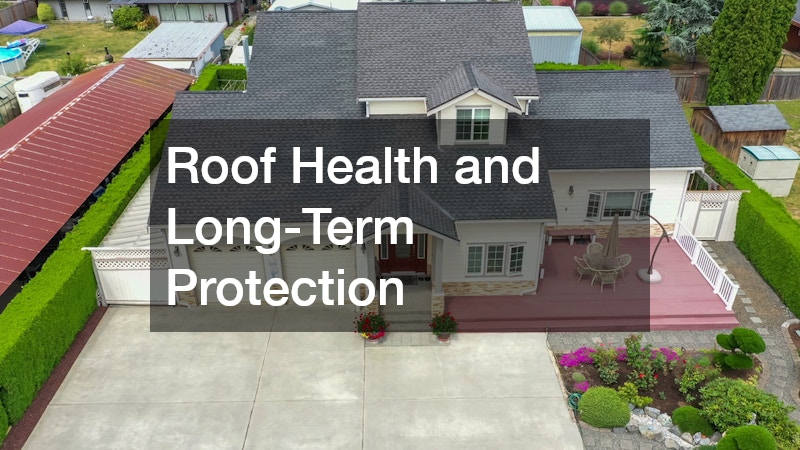
Your roof is one of the most important protective barriers your home has, yet it is also one of the most commonly neglected. Exposure to sun, wind, rain, and seasonal temperature changes gradually weakens roofing materials, making inspections essential for long-term performance. Over time, even high-quality materials begin to degrade, especially in areas with harsh winters, heavy rainfall, or strong summer heat. Small vulnerabilities often develop long before visible damage appears inside the home, which is why routine evaluation is so important.
Professional evaluations through roofing services help identify vulnerabilities early, while timely roofing repair prevents minor damage from turning into leaks or structural deterioration. In many cases, professionals can detect subtle issues such as lifted flashing, weakened sealant around vents, or early-stage shingle deterioration that homeowners would not notice from the ground. These small fixes can significantly extend the lifespan of the entire roofing system.
Key reasons roof maintenance matters:
- Prevents water intrusion and mold growth inside the home
- Extends the lifespan of shingles, flashing, and underlayment
- Helps detect storm damage that may not be visible from the ground
- Reduces the risk of emergency repairs during severe weather
Additional benefits of routine maintenance include improved energy efficiency, since a well-sealed roof helps regulate attic temperature and reduces strain on heating and cooling systems. It also helps maintain property value, as a well-maintained roof is one of the first things inspectors and buyers evaluate during a sale.
Warning signs homeowners should never ignore:
- Missing or curling shingles
- Dark streaks or moisture spots on ceilings
- Granules collecting in gutters
- Sagging roof sections or soft spots
Other subtle indicators include increased attic humidity, unexplained drafts in upper rooms, or visible sunlight coming through roof boards. These signs often point to underlying issues that require prompt attention.
A consistent inspection schedule, especially after seasonal storms, ensures your roof continues to perform its protective role effectively. Homeowners who schedule routine checks and address small issues early typically avoid the high costs associated with full roof replacement or major structural repair.
Climate Control System Efficiency and Air Quality
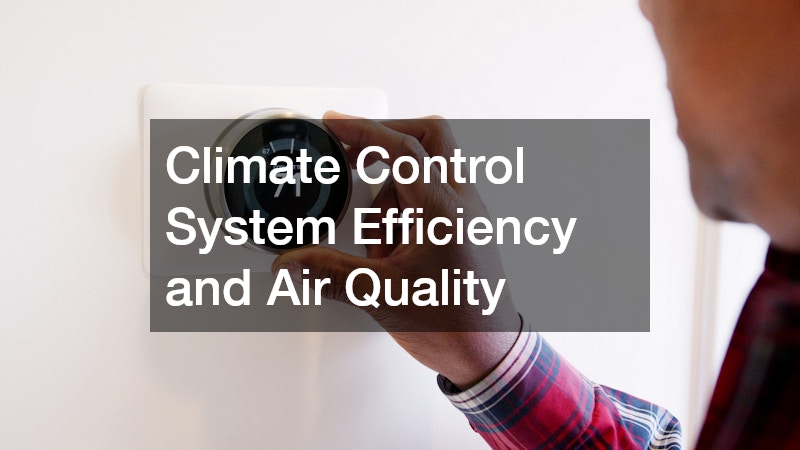
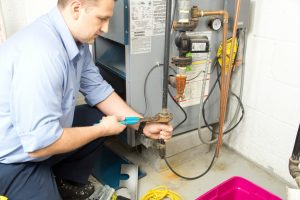
Heating and cooling systems are essential for maintaining indoor comfort, but they also account for a significant portion of household energy use. When these systems are not properly maintained, efficiency drops quickly, leading to higher utility bills and uneven temperatures throughout the home. Over time, neglected systems may also circulate dust, allergens, and pollutants, which can negatively affect indoor air quality and overall health.
Working with HVAC contractors ensures your system receives the professional care it needs to function efficiently year-round. These specialists can perform detailed diagnostics that go beyond basic homeowner maintenance, identifying hidden issues such as duct leaks, failing motors, or inefficient airflow balancing. They also ensure that the entire system is calibrated correctly, which helps maintain consistent temperatures across all rooms and reduces unnecessary strain on equipment.
Common maintenance priorities include:
- Replacing air filters regularly to maintain airflow and reduce airborne particles
- Cleaning ductwork to improve air quality and eliminate buildup of dust and debris
- Checking refrigerant levels and system pressure to ensure proper cooling performance
- Inspecting thermostats for accuracy and proper communication with the system
In addition to these tasks, professionals often evaluate insulation around ductwork and check for energy loss in areas such as attics or crawl spaces. These hidden inefficiencies can significantly impact system performance without obvious signs.
Signs your system may need attention:
- Rooms heating or cooling unevenly despite thermostat settings
- Unusual noises such as grinding, rattling, or hissing during operation
- Sudden spikes in energy bills without increased usage
- Reduced airflow from vents or weak air circulation
Other indicators include excessive humidity indoors, frequent cycling on and off, or lingering odors when the system runs. These symptoms often suggest deeper mechanical issues that require prompt evaluation.
Routine servicing not only improves performance but also helps prevent unexpected system failures during extreme weather conditions. Regular maintenance extends the lifespan of the equipment, improves energy efficiency, and ensures the home remains comfortable and safe throughout the year, regardless of seasonal temperature changes.
Window Performance and Energy Loss Prevention

Windows play a major role in both energy efficiency and indoor comfort. Over time, seals can deteriorate, frames can warp, and glass may lose its insulating effectiveness. These issues often go unnoticed until energy costs begin to rise or noticeable drafts start affecting livability. Because windows directly influence heat gain and loss, even small defects can have a significant impact on overall home performance.
Professional assessment by window installation contractors helps determine whether repairs or replacements are needed to restore efficiency. These experts can identify whether issues stem from aging materials, improper installation, or structural shifting of the home itself. In many cases, they use specialized tools to detect air infiltration points that are not visible during a standard inspection.
Key areas professionals evaluate:
- Air leakage around window frames that allows outdoor air to enter or conditioned air to escape
- Seal integrity between glass panes, especially in double- or triple-pane windows
- Structural alignment and frame condition to ensure proper fit and operation
- Moisture buildup or condensation issues that may indicate failed seals or insulation problems
In addition, professionals often assess the condition of caulking and weatherstripping, both of which degrade over time and contribute to energy loss. They may also check for UV damage that can affect both window efficiency and interior furnishings.
Homeowners should watch for:
- Drafts near closed windows, especially during windy or cold conditions
- Difficulty opening or closing windows due to warping or frame distortion
- Fogging between glass layers, which often signals seal failure
- Increased heating or cooling usage without changes in thermostat habits
Other subtle signs include fading furniture near windows due to poor UV protection or noticeable temperature differences when standing close to glass surfaces. These indicators often point to declining insulation performance.
Addressing these issues early helps maintain consistent indoor temperatures and reduces strain on HVAC systems. Proactive window maintenance not only improves comfort but also contributes to long-term energy savings and helps preserve the structural integrity of surrounding wall systems.
Bathroom Plumbing Systems and Moisture Control
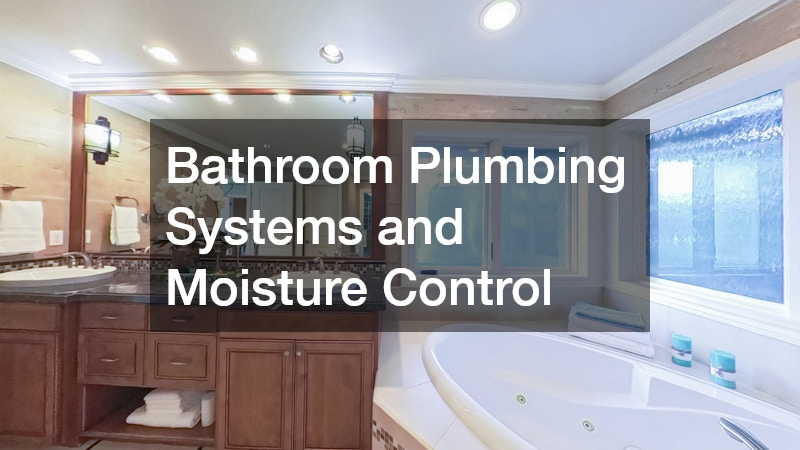
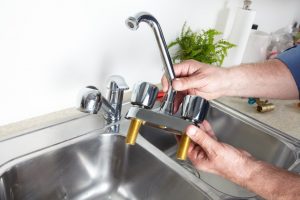
Bathrooms contain some of the most water-intensive systems in the home, making them especially vulnerable to leaks, moisture buildup, and hidden damage. Because water is constantly in use in sinks, showers, tubs, and toilets, even minor plumbing inefficiencies can quickly escalate into structural concerns. Over time, persistent humidity can also contribute to mold growth, wood rot, and deterioration of surrounding finishes if not properly managed.
A bathroom remodeling contractor can help assess layout inefficiencies and aging fixtures, while a plumber focuses on system integrity and leak prevention. In many homes, recurring bathroom issues are not just the result of worn-out components but also outdated designs that do not properly manage water flow or ventilation. Professionals can recommend upgrades that improve drainage efficiency, reduce moisture retention, and modernize plumbing layouts to better suit current usage demands.
Common issues that require attention:
- Slow or inconsistent drainage that may indicate partial blockages or venting issues
- Persistent leaks under sinks or behind walls that often go unnoticed until damage spreads
- Low or fluctuating water pressure caused by pipe buildup or supply line restrictions
- Cracked or deteriorating grout allowing moisture intrusion behind tile surfaces
In addition to these, homeowners should be aware of musty odors, peeling paint near showers, or warped cabinetry—often early signs of hidden moisture problems.
Preventative maintenance tips:
- Regularly inspect visible pipes for corrosion or mineral buildup
- Check for soft flooring near fixtures that may indicate subfloor water damage
- Monitor water bills for unexplained increases that could signal hidden leaks
- Ensure proper ventilation to reduce humidity and prevent condensation buildup
It is also beneficial to run exhaust fans during and after showers, and periodically clean or replace vent covers to maintain airflow efficiency. Poor ventilation is one of the leading contributors to long-term bathroom damage, especially in smaller or windowless spaces.
Proactive attention to bathroom systems helps protect both plumbing infrastructure and surrounding building materials. Early detection and maintenance not only prevent costly repairs but also help maintain a healthier indoor environment by reducing moisture-related risks throughout the home.
Exterior Wall Protection and Structural Integrity
Exterior siding is the first line of defense against weather exposure. When it begins to fail, moisture can penetrate underlying layers, leading to insulation damage and structural issues.
Professional siding contractors evaluate exterior surfaces for signs of wear and recommend repairs or replacements when necessary.
Important inspection focus areas:
- Cracks, warping, or loose panels
- Paint deterioration or fading
- Signs of water infiltration behind siding
- Pest entry points or damage
Maintenance benefits include:
- Improved insulation and energy efficiency
- Enhanced curb appeal and property value
- Reduced risk of hidden structural damage
- Longer lifespan of exterior materials
Routine inspections help ensure your home remains protected from environmental stressors year-round.
Driveway and Surface Preservation Techniques
Driveways and paved surfaces are constantly exposed to weight, weather, and temperature changes. Without proper maintenance, small cracks can quickly expand, leading to costly resurfacing projects.
Sealcoating services help protect asphalt surfaces by adding a protective layer that prevents water penetration and surface breakdown.
Common issues that develop over time:
- Cracks from freeze-thaw cycles
- Potholes caused by moisture infiltration
- Surface fading due to UV exposure
- Drainage issues leading to pooling water
Maintenance recommendations:
- Seal surfaces every few years depending on usage
- Repair small cracks before they expand
- Keep surfaces clean of debris and oil stains
- Ensure proper slope for water runoff
Regular care significantly extends the life of paved areas and reduces long-term repair costs.
Foundation Stability and Masonry Care
The foundation is the most critical structural element of any home. Even minor shifts or cracks can indicate serious underlying issues that require immediate attention.
Masonry contractors specialize in evaluating and repairing structural materials such as brick, stone, and concrete to ensure long-term stability.
Warning signs of foundation issues:
- Cracks in walls or floors
- Uneven or sloping surfaces
- Doors and windows sticking or misaligning
- Gaps forming between walls and ceilings
Preventative measures:
- Monitor for changes after heavy rain or drought
- Ensure proper drainage around the home’s perimeter
- Address small cracks before they expand
- Schedule periodic structural evaluations
Early intervention is essential to avoid major structural repairs later on.
Electrical System Safety and Modern Home Demands
Modern homes place increasing demands on electrical systems due to the number of appliances, devices, and smart technologies in use. Outdated wiring or overloaded circuits can pose serious safety risks.
A licensed electrician can assess system capacity, identify hazards, and recommend necessary upgrades.
Key safety concerns include:
- Flickering or dimming lights
- Frequently tripped breakers
- Warm or discolored outlets
- Outdated electrical panels
Important maintenance steps:
- Avoid overloading outlets with multiple devices
- Schedule periodic electrical inspections
- Upgrade old wiring systems when needed
- Install surge protection for sensitive electronics
Ensuring electrical safety protects both your home and the people living in it.
Integrated Home System Coordination for Long-Term Efficiency
Home systems rarely operate independently. A problem in one area can create strain in another, leading to reduced efficiency and increased repair costs. Coordinating maintenance across systems helps prevent these cascading issues.
A well-planned maintenance strategy includes:
- Scheduling inspections at different times of the year
- Tracking repair history for all major systems
- Identifying patterns of recurring issues
- Prioritizing preventative care over reactive fixes
Benefits of coordination:
- Reduced emergency repair costs
- Improved energy and water efficiency
- Longer lifespan for home systems
- Better budgeting for maintenance expenses
By treating your home as an interconnected system rather than isolated parts, you can maintain stability and performance more effectively.
Maintaining a home requires consistent attention to multiple interconnected systems that all contribute to safety, comfort, and efficiency. When these systems are regularly inspected and cared for, homeowners can avoid unexpected breakdowns and costly emergency repairs.
A proactive approach ensures your home remains structurally sound, energy-efficient, and comfortable throughout the year.