The investment in a residential or commercial roofing system represents one of the most substantial financial commitments a property owner will make over the course of an asset’s lifecycle. Unfortunately, because the roof operates high above the direct line of sight, it frequently falls victim to an “out of sight, out of mind” philosophy that can prove devastating to its structural integrity. A roof is not a static, indestructible shield; rather, it is a highly dynamic assembly of interconnected components that constantly repels volatile environmental forces, including intense ultraviolet radiation, thermal fluctuations, high wind shears, and heavy precipitation events. Real estate data and forensic engineering audits consistently demonstrate that a disciplined strategy of regular maintenance and timely mitigation yields a remarkably high return on asset retention. Failing to proactively manage this overhead barrier directly invites progressive structural decay, compromised thermal efficiency, and astronomical emergency restoration costs that can completely decimate a property owner’s personal savings or operational real estate budget.
Transitioning from a reactive management mindset to a predictive, preventative maintenance philosophy transforms home care from an ongoing financial drain into an active equity-protection program. Every cracked shingle, unsealed flashing vector, clogged drainage system, or minor structural anomaly sends a progressive wave of vulnerability through the entire building envelope, signaling potential hidden liabilities underneath the surface. Conversely, keeping the overhead infrastructure operating at peak performance ensures that a building easily navigates the volatile transitions between freezing winter sub-zero levels and blistering summer heat peaks without structural failure. True structural security is built from the roofline down, safeguarding expensive interior investments, delicate mechanical configurations, and familial health with an ironclad foundation of weather-tight engineering. As we explore the specific, highly manageable updates and critical preservation protocols that drive roof longevity, you will discover how a series of small, intentional maintenance cycles can completely transform your property’s structural safety and market valuation.
- Preventing Minor Damage From Becoming Major Repairs
- Extending the Lifespan of Your Roofing System
- Identifying Problems Before They Affect the Home’s Interior
- Maintaining Performance Through Routine Inspections
- Addressing Leaks and Wear Before They Spread
- Protecting Your Investment With Proper Installation Practices
- Supporting Exterior Protection Beyond the Roofline
- Preserving Energy Efficiency Throughout the Year
- Maintaining Specialized Roofing Materials for Long-Term Durability
- Preventing Exterior Damage Through Coordinated Upkeep
Preventing Minor Damage From Becoming Major Repairs
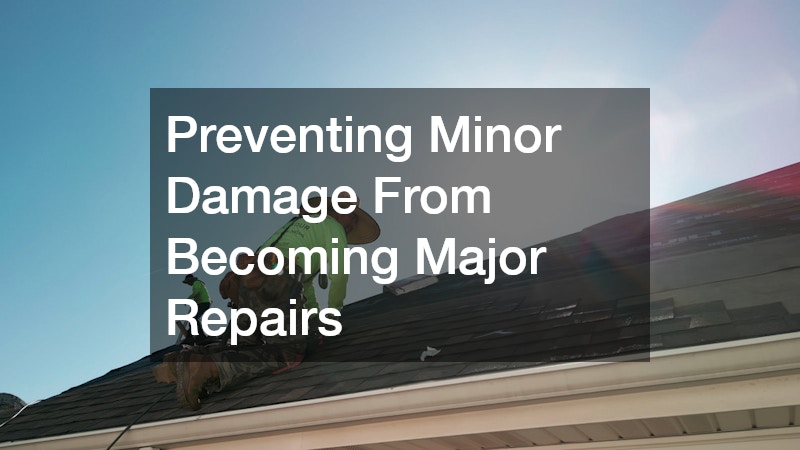
The baseline durability of any modern roofing system is anchored directly to the immediate, localized remediation of microscopic installation faults, storm-induced impact points, and natural structural wear before they propagate into deep systemic failures. When high-velocity winds or localized hailstorms strike an unmaintained roof, they frequently compromise small, localized zones such as ridge caps, chimney flashings, or peripheral drip edges without causing an immediate catastrophic collapse. Securing a licensed, highly qualified local roofing contractor to perform detailed visual evaluations and minor targeted sealing routines ensures that these minor exposure points are neutralized the moment they manifest. These routine maintenance touch-ups prevent high-pressure wind drafts from catching the underside of loosened shingles, an escalation pattern that can peel back entire sections of the roof deck during subsequent storm cycles. Investing a modest amount in small-scale, localized repairs eliminates the compounding compounding damage loops that transform basic shingles updates into overwhelming, multi-thousand-dollar structural structural overhauls, preserving both your personal financial peace of mind and your asset’s foundational stability.
Extending the Lifespan of Your Roofing System
The physical longevity of modern architectural shingles, composite tiles, or premium metal roofing panels is dictated entirely by how consistently the system is cleaned, vented, and maintained throughout its chronological lifecycle. Over years of unmitigated exposure, organic debris accumulation—such as falling leaves, twigs, and bird droppings—creates localized moisture traps that accelerate the degradation of surface coatings and feed destructive black algae blooms. Utilizing comprehensive, full-service roofing services to perform routine clearings, treat organic growth vectors, and verify the physical patency of attic ventilation baffles keeps the entire system operating within its ideal design parameters. Proper balanced ventilation allows blazing summer heat to escape the attic space rather than baking the shingles from beneath, a hidden phenomenon that cooks out volatile oils and causes premature brittleness, curling, and granular loss. By actively preventing these slow, environmental degradation loops through regular professional care, property owners can easily push the functional lifespan of their roof to its absolute maximum statutory limit, delaying catastrophic capital replacement expenditures.
Identifying Problems Before They Affect the Home’s Interior
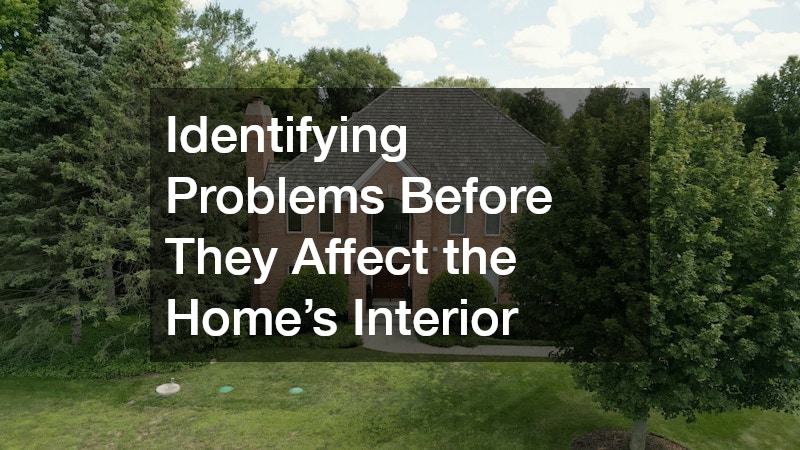
A roof failure rarely announces itself with a dramatic, sudden structural collapse; instead, it progresses as a silent, creeping migration of water through multiple layers of high-density insulation and wooden framing before ever creating a visible ceiling stain. By the time an active drip manifests within a bedroom, living space, or office environment, the underlying moisture has likely been festering within the attic cavity for months, rotting out structural rafters and feeding toxic mold colonies. Engaging specialized local roofers to perform meticulous, systematic attic-side inspections and moisture-meter testing allows for the early detection of these slow, hidden bypass paths before they breach the interior drywall envelope. These targeted technical assessments focus heavily on high-risk transition zones, such as around skylights, valley intersections, and plumbing vent boots, where shifting structural loads frequently stress aged sealants. Catching these hidden tracking leaks early completely shields your expensive internal finishes, hardwood flooring, and electronic systems from sudden water destruction, maintaining a pristine and healthy indoor living environment.
Maintaining Performance Through Routine Inspections
The physical capacity of a building’s roof to consistently repel seasonal downpours, heavy snow loads, and intense microbursts depends heavily on a continuous state of structural readiness that can only be verified through documented recurring reviews. Relying on an untrained eye or a distant ground-level glance to evaluate a roof’s structural health is highly dangerous, as small hairline fractures in pipe boots and slightly backed-out fasteners remain entirely invisible from the curb. Committing to a bi-annual inspection cadence utilizing certified roofing services guarantees that technicians will physically walk every valley, test the security of every mechanical counter-flashing, and audit the clear drainage capacity of all gutter channels. These proactive system audits allow property owners to create an active, chronological record of their asset’s physical condition, a document that holds immense power when filing complex property insurance claims after widespread regional storm events. Regular performance monitoring eliminates the systemic blind spots that lead to sudden, unbudgeted operational failures, ensuring your building’s primary line of defense remains completely uncompromised.
Addressing Leaks and Wear Before They Spread
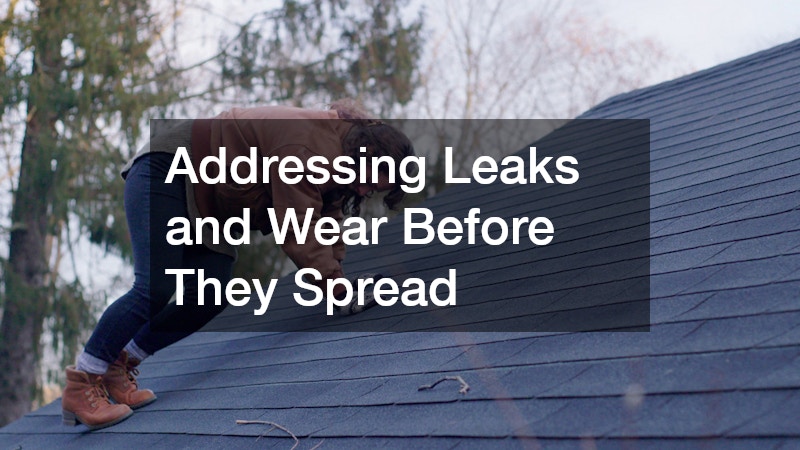
When an active moisture breach occurs along a roof’s surface plane—whether driven by ice damming cycles, mechanical impact punctures, or accelerated fastener corrosion—the lateral migration of that water introduces an immediate threat to adjacent building components. Water tracking along structural decking panels will naturally seek out adjacent plywood seams, saturating structural insulation layers, short-circuiting electrical junction paths, and degrading the structural shear strength of the home’s external walls. Executing a rapid, code-compliant local roof repair at the absolute first indication of material degradation or active dampness is the only effective way to halt this destructive lateral spread. High-velocity diagnostic technicians possess the specialized thermal imaging arrays, high-bond flashing membranes, and specialized fasteners required to isolate localized vulnerabilities and restore systemic water tightness under extreme environmental duress. Acting with absolute speed to neutralize an active moisture vector completely halts the progression of structural rot, ensuring that a localized material failure does not morph into a widespread, multi-layered reconstruction project.
Protecting Your Investment With Proper Installation Practices
The long-term performance and repair frequency of any architectural roof are inextricably bound to the execution quality, material matching, and code compliance established during the initial construction process. Even the most expensive, ultra-premium heavy-gauge shingles or composite slate tiles will fail prematurely if they are fastened over a compromised, unlevel deck or secured with substandard pneumatic fastening depths that violate manufacturer guidelines. Prioritizing an elite, certified roof installation executed by factory-authorized masters ensures that every critical underlayment layer—including high-performance ice and water shields and breathable synthetic vapor barriers—is perfectly integrated. Proper installation practices guarantee that perimeter edge metals, valley linings, and mechanical flashing arrays are counter-flashed and layered precisely according to local wind-uplift regulations. This uncompromising commitment to initial construction excellence drastically reduces the frequency of future maintenance calls, maximizes your coverage under comprehensive extended manufacturer warranties, and ensures the roof maintains absolute structural stability against volatile weather extremes.
Supporting Exterior Protection Beyond the Roofline
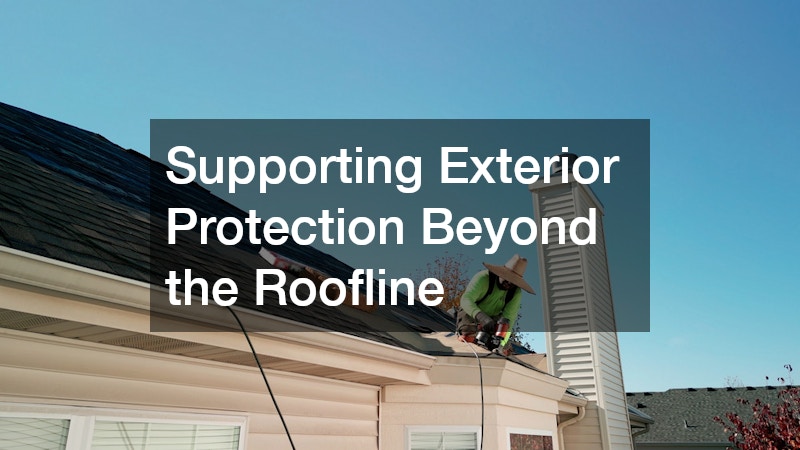
A truly holistic strategy for preserving a building’s structural integrity recognizes that the overhead roof plane does not operate in a vacuum; it functions as the upper component of a unified exterior defensive shell. Rainwater that is successfully shed from the shingles must be seamlessly managed by high-volume gutter networks and directed entirely away from the home’s vertical wall surfaces and underlying concrete foundation. Partnering with specialized, reputable siding contractors ensures that the critical transition zones where the roofline intersects with vertical walls—such as step-flashing intersections and kick-out flashing diverters—are perfectly aligned and sealed. If these cross-component transitions are neglected or poorly configured, cascading roof runoff will routinely bypass the gutters and dump directly into wall cavities, destroying expensive exterior siding panels and rotting out structural wall framing. Cross-industry coordination between roofing and siding masters creates an impenetrable, weather-tight perimeter that effortlessly manages high-volume fluid dynamics, safeguarding your total real estate investment from top to bottom.
Preserving Energy Efficiency Throughout the Year
An unmaintained or structurally compromised roof acts as a massive thermal chimney, continuously leaking expensive conditioned air during the blistering summer months and hemorrhaging vital radiant heat throughout the freezing winter. When roofing materials degrade, they allow moisture to infiltrate the underlying fiberglass or cellulose insulation layers, an occurrence that rapidly destroys the material’s thermal resistance properties by compressing air pockets. Seeking the intervention of certified, experienced roofers to systematically reseal micro-fissures, replace compromised insulation zones, and optimize attic ventilation dynamics restores the home’s baseline thermal boundary. A perfectly sealed and properly vented roof structure ensures that the attic space remains closely matched to ambient outdoor temperatures, completely preventing the intense heat build-up that forces central air conditioning compressors to work twice as hard. Preserving this vital environmental equilibrium slashes monthly utility expenditure footprints, limits structural carbon wear, and provides an exceptionally consistent, comfortable indoor climate profile that commands top-dollar valuation from eco-conscious buyers.
Maintaining Specialized Roofing Materials for Long-Term Durability
Properties that feature architectural deviations from standard asphalt shingles—such as modern standing-seam steel systems, copper accents, or structural aluminum panels—require highly specialized, non-standard maintenance protocols to preserve their elite protective qualities. Metal roofing systems offer incredible lifetime durability, but they are uniquely susceptible to specialized physical phenomenon like galvanic corrosion from mismatched metals and structural thermal movement that can loosen exposed fasteners over time. Engaging dedicated, highly trained local metal roofers to conduct specialized torque audits, clean out debris from intricate lock-seams, and re-coat high-exposure valley channels preserves the pristine integrity of the system. These specialized technicians understand how to adjust neoprene-washered fasteners and manage architectural expansion loops without damaging the protective Kynar paint finishes that shield the underlying high-grade steel from atmospheric oxidation. Investing in material-specific professional care prevents the slow structural weathering that can ruin premium architectural metals, ensuring your high-end roof delivers its promised half-century of maintenance-free service.
Preventing Exterior Damage Through Coordinated Upkeep
The continuous, long-term degradation of a home’s upper defensive perimeter eventually triggers an inevitable, cascading wave of physical destruction down across the lower exterior finishes of the estate. When clogged gutters, compromised drip edges, or failing eave flashings allow rainwater to consistently overshoot or spill behind the drainage system, that high-velocity runoff continually drench vertical wall boards, washing away protective paints and causing structural warping. If this localized moisture saturation is left unmitigated over multiple seasons, property owners will inevitably face the steep, unbudgeted financial burden of a complete, comprehensive siding replacement to restore the building’s primary structural seal. Implementing a highly coordinated, proactive upkeep regimen that marries roof repairs with active gutter tuning and exterior wall preservation entirely halts this cycle of cascading systemic damage. By maintaining an unyielding, synchronized exterior shield, you protect the core physical layers of your real estate asset, guaranteeing your property commands peak market premiums and effortlessly sails through any rigorous structural inspection.
Navigating the multi-faceted process of incremental residential updates and overhead structural maintenance ultimately rewards the disciplined property owner with an estate that delivers superior daily performance, exceptional energy conservation, and robust equity growth. By systematically marrying invisible infrastructure maintenance—like regular water filtration care, plumbing cleanings, and precision climate grid tunings—with high-visibility aesthetic updates, you craft a masterfully balanced, high-value asset. A house that is cared for with this level of thorough, professional oversight easily navigates the complexities of the modern real estate market, capturing premium offers and passing inspections with zero friction. Proactive home maintenance should never be viewed as an ongoing financial drain, but rather as an active, high-yield investment program that safeguards your family’s daily comfort while maximizing your long-term financial security. Ultimately, the true value of a home is found in this exact harmony of beautiful form and bulletproof engineering functionality, turning a basic street address into a high-character sanctuary of lasting luxury and pride.
Ultimately, establishing absolute financial transparency with your legal team ensures that the focus of your relationship remains entirely on achieving a favorable, legally sound outcome for your matter. When billing structures are clearly defined and meticulously documented from the very first consultation, it removes the potential for misunderstandings and allows for a more collaborative, trusting partnership between attorney and client. The peace of mind generated by predictable legal costs allows individuals and businesses to make rational, calculated decisions throughout the duration of their case, free from the fear of unexpected invoices. As you move forward with your legal needs, remember that open communication regarding fees is not just a pragmatic business necessity, but a vital component of professional advocacy that sets the stage for long-term success.