
Starting a roofing project is a significant investment in your home, and proper preparation can make the process much easier from beginning to end. Whether you are addressing visible damage, planning an upgrade, or dealing with an aging roof, understanding what to expect before work begins can help you make better decisions. From evaluating the existing roof to establishing a realistic budget and reviewing the contract, each step can affect the quality, cost, and longevity of the finished project. Taking time to prepare also gives you an opportunity to identify potential problems before they become expensive surprises.
- Assess the Current Condition of Your Roof
- Determine Whether You Need Repairs or a Full Replacement
- Set a Realistic Budget Before Work Begins
- Verify Credentials, Experience, and Insurance
- Compare Materials Based on Your Home’s Needs
- Understand Exactly What the Project Includes
- Prepare Your Home and Family for Construction
- Plan for Weather and Unexpected Delays
- Know What to Do If Problems Become Urgent
- Review the Contract Before Signing
Assess the Current Condition of Your Roof
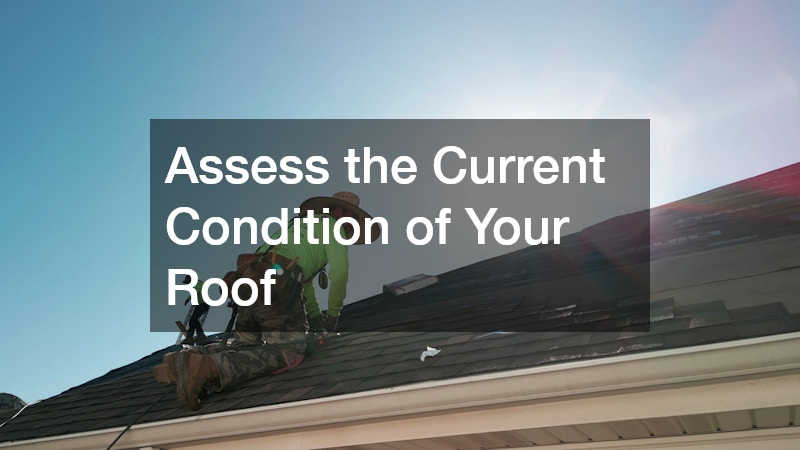
Before deciding what work your home needs, start by understanding the condition of the existing roof. Some problems are obvious, such as missing shingles, visible holes, or water dripping through the ceiling. Others can be much harder to identify from the ground. Moisture may enter through damaged flashing, deteriorated seals, or small openings that are not immediately noticeable.
A professional inspection done by a roofing company can provide a more complete picture of the roof’s condition. An experienced roofer can examine areas that homeowners may not be able to safely access and identify damage that could worsen over time.
Look for warning signs such as:
- Missing, cracked, curling, or broken shingles
- Dark stains or water marks on ceilings and walls
- Sagging sections along the roofline
- Damaged or deteriorating flashing
- Excessive granules are collecting in gutters
- Mold, algae, or persistent moisture
- Daylight visible through the roof decking in an attic
- Repeated leaks in the same area
If the damage is limited to a small area, roof repair may be appropriate. However, widespread deterioration may indicate that more roofing services, like a roof replacement, are necessary. Avoid making the decision based solely on the appearance of a few shingles. The underlying decking, ventilation, flashing, and other components can influence the overall condition of the system.
When evaluating potential roofers, look for professionals who provide thorough inspections and clearly explain their findings. A trustworthy professional should be willing to show you photographs or other evidence of significant problems rather than simply recommending extensive work without explanation.
Determine Whether You Need Repairs or a Full Replacement
One of the most important decisions homeowners face is whether to repair the existing roof or replace it, and whether the repair makes more financial and practical sense. A few damaged shingles do not necessarily mean the entire roof needs to be removed. On the other hand, repeatedly repairing an aging roof can become increasingly expensive if problems persist.
Consider the roof’s age, the extent of the damage, the condition of the underlying materials, and how frequently problems have occurred. A relatively young roof with isolated damage may be a good candidate for targeted work. An older roof with widespread deterioration, recurring leaks, or significant material failure may require a more comprehensive solution.
A professional should explain why a particular recommendation makes sense for your property. Ask questions such as:
- How extensive is the existing damage?
- Is the underlying decking still in good condition?
- Are leaks isolated or occurring in multiple areas?
- How much useful life remains in the current system?
- Would additional repairs likely be needed soon?
- How would the long-term cost compare with the replacement cost?
For residential roofing projects, homeowners should consider more than immediate expenses. A lower-cost repair may solve today’s problem, but could require additional work later. Conversely, replacing a roof that could have been repaired may result in unnecessary spending.
A clear assessment helps you weigh short-term affordability against long-term value. The goal should be to select a solution that provides reliable protection while making financial sense for your home’s condition.
Set a Realistic Budget Before Work Begins

Establishing a budget before construction starts can help you avoid financial surprises. The total cost of a roofing project depends on numerous factors, including the size and design of the roof, materials selected, labor requirements, removal of existing materials, accessibility, and the condition of the underlying structure.
Request a detailed written estimate that separates major costs. This makes it easier to compare proposals and understand exactly what you are paying for.
A comprehensive estimate may include:
- Material costs
- Labor
- Removal and disposal of existing roofing
- Underlayment
- Flashing
- Ventilation components
- Decking repairs
- Permits and inspections
- Cleanup and debris removal
Do not automatically choose the lowest estimate. A substantially lower price may mean that certain materials, preparation steps, or services have been excluded. Compare estimates based on the complete scope of work rather than the final number alone.
When comparing roofing companies, ask whether the quoted price is fixed or if certain conditions could result in additional charges. For example, hidden decking damage may not be visible until existing materials are removed. Understanding how these situations are handled beforehand can prevent disagreements later.
It is also wise to maintain a contingency fund. Even a carefully planned project can reveal unexpected issues once construction begins. Having additional funds available can help you address legitimate problems without delaying necessary work.
Verify Credentials, Experience, and Insurance
The quality of the finished project depends heavily on the professionals performing the work. Before hiring a roofing contractor, verify that the company meets applicable licensing and insurance requirements in your area.
Insurance is particularly important because roofing involves elevated work and potentially hazardous equipment. Ask for proof of appropriate liability coverage and, where applicable, workers’ compensation insurance. This can help protect homeowners from certain liabilities associated with accidents or property damage.
Experience also matters. Ask how long the contractor has been working in the industry and whether they have completed projects similar to yours. A professional who regularly handles homes with comparable roof designs and materials may be better prepared to anticipate project-specific challenges.
Consider these evaluation steps:
- Verify applicable licensing requirements.
- Request proof of insurance.
- Ask for references from recent projects.
- Review examples of completed work.
- Check how clearly the company communicates.
- Confirm that the estimate is provided in writing.
- Ask about warranties and workmanship guarantees.
Homeowners comparing residential roofing companies should also pay attention to professionalism throughout the initial consultation. If a company is difficult to reach, avoids specific questions, or pressures you to sign immediately, consider that a warning sign.
A good contractor should be willing to explain recommendations, answer questions, provide documentation, and give you enough information to make a thoughtful decision.
Compare Materials Based on Your Home’s Needs

Choosing roofing materials involves more than selecting a color that complements your house. Different materials have different lifespans, maintenance requirements, installation methods, and performance characteristics.
Asphalt shingles are common because they offer a combination of affordability, appearance, and relatively straightforward installation. Metal roofing can provide durability and a different architectural appearance, while tile and other specialized materials may offer additional aesthetic or performance advantages.
Consider the following factors when comparing options:
- Expected service life
- Upfront material cost
- Maintenance requirements
- Resistance to local weather conditions
- Energy-efficiency characteristics
- Appearance and architectural compatibility
- Manufacturer warranty
- Installation requirements
Climate should play an important role in the decision. Materials need to perform effectively under the weather conditions your home regularly experiences. Your contractor can explain which options are appropriate for the property’s design and local environment.
You should also review warranties carefully. A manufacturer’s warranty and a workmanship warranty cover different things, so understand what each one includes, how long coverage lasts, and whether there are maintenance requirements that could affect coverage.
Ask for product information before approving the materials. Knowing exactly what will be installed helps prevent misunderstandings and ensures the finished project matches your expectations.
Understand Exactly What the Project Includes
A roofing estimate should clearly explain what the contractor will and will not do. Never assume that every necessary task is automatically included in the quoted price.
For example, some estimates may include removing the old roofing but exclude repairs to damaged decking. Others may list materials without specifying the exact product or installation method.
Before signing an agreement, confirm whether the scope includes:
- Removal of existing materials
- Underlayment installation
- Flashing replacement or repair
- Ventilation improvements
- Decking inspection
- Structural repairs when needed
- New roofing materials
- Cleanup and disposal
- Final inspection
If you are hiring a roof repair service for a limited problem, make sure the estimate identifies the affected area and describes the proposed solution. Ask whether the contractor expects the repair to address the underlying cause or simply restore the visible surface.
Written documentation is especially important when multiple components are involved. The more specific the contract is, the easier it becomes to determine whether the completed project meets the agreed-upon expectations.
If the contractor discovers an unexpected problem during construction, ask for an explanation and a revised estimate before approving additional work whenever practical. This provides an opportunity to understand the issue, evaluate the cost, and make an informed decision.
Prepare Your Home and Family for Construction
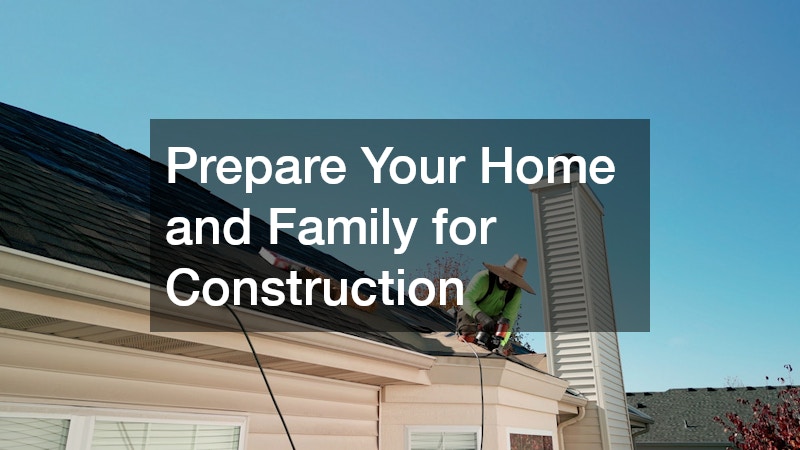
Roofing work can create considerable noise, vibration, debris, and temporary disruptions. Preparing your property beforehand can reduce inconvenience and help protect your belongings.
Items stored in an attic may shift due to vibrations caused by installation or removal. Consider securing fragile belongings and moving valuable items away from areas directly beneath the work zone.
Outdoor preparation is also important. Move vehicles, patio furniture, decorations, grills, and other items away from the house when possible. Discuss landscaping concerns with the contractor so appropriate precautions can be taken.
Families should also plan around the construction schedule. Children and pets should remain away from active work areas, ladders, tools, and construction debris.
Before work starts:
- Secure fragile attic belongings.
- Move vehicles away from the work area.
- Protect or relocate outdoor furniture.
- Keep pets indoors or away from construction.
- Discuss access points with the crew.
- Ask about daily cleanup procedures.
- Inform household members about expected noise.
Preparation can make the project safer and more manageable for everyone involved.
Plan for Weather and Unexpected Delays
Weather can significantly affect construction schedules. Rain, strong winds, storms, and extreme temperatures may make certain roofing tasks unsafe or prevent materials from being installed properly.
Ask your contractor how weather conditions could affect the schedule and what procedures will be used to protect exposed areas if conditions change unexpectedly.
It is also important to understand that a delayed start does not necessarily indicate poor project management. Responsible professionals should prioritize safe working conditions and proper installation over rushing to meet an arbitrary deadline.
Before construction begins, discuss:
- Expected start and completion dates
- Weather-related scheduling procedures
- Protection for exposed roof sections
- Communication during delays
- Material delivery timing
- Procedures for rescheduling
Maintaining some flexibility can make the process less stressful. If your project has a firm deadline, communicate that requirement early so the contractor can determine whether the schedule is realistic.
Know What to Do If Problems Become Urgent
Some roofing problems cannot wait for a convenient appointment. Severe storms, fallen trees, major leaks, or large sections of exposed roofing can quickly allow water to enter the home.
In these situations, emergency roof repair may be necessary to reduce the risk of additional interior or structural damage. The immediate objective is generally to protect the property while a permanent solution is evaluated.
If sudden damage occurs, homeowners should:
- Move valuables away from active leaks.
- Place containers beneath dripping areas when safe.
- Photograph visible damage for documentation.
- Avoid walking on damaged roof sections.
- Contact a qualified professional promptly.
- Ask about temporary protection if permanent work cannot begin immediately.
Do not attempt dangerous repairs from ladders or the roof during severe weather. Roofing surfaces can become extremely slippery, and structural damage may make certain areas unsafe.
Having a contractor’s contact information available before an emergency occurs can save valuable time. Ask in advance whether the company handles urgent situations and how after-hours calls are managed.
Review the Contract Before Signing
A written contract protects both the homeowner and the contractor by establishing clear expectations. Read the entire agreement before signing, even if you have already discussed the details verbally.
The contract should identify the work to be completed, materials to be used, payment terms, expected timing, warranties, and procedures for changes.
Pay particular attention to:
- Total project price
- Payment schedule
- Material specifications
- Estimated start and completion dates
- Warranty information
- Cleanup responsibilities
- Change-order procedures
- Cancellation terms
- Permit responsibilities
Avoid making large payments before work begins unless the arrangement is consistent with applicable requirements and the written agreement.
If something discussed during the sales process does not appear in the contract, ask for it to be added or clarified. Verbal promises can be difficult to verify later.
A detailed contract is not simply paperwork. It serves as a reference throughout the project and can help resolve questions before they become disputes.
A successful roofing project starts well before materials arrive at your home. Careful planning allows you to assess your roof’s condition, establish a realistic budget, compare suitable materials, verify professionals’ qualifications, and set clear expectations for the work. Preparing your property, reviewing the contract, understanding local requirements, and planning for unexpected issues can also make the construction process considerably smoother.
Most importantly, homeowners should avoid rushing important decisions simply because a roof problem feels urgent. Gathering information, asking detailed questions, and working with qualified professionals can help you choose an approach that fits your property’s needs and your long-term goals. With thoughtful preparation and clear communication, a roofing project can become a manageable investment that provides dependable protection for years to come.