Keeping your home running smoothly isn’t just about comfort—it’s about preventing costly surprises and extending the life of essential systems. From temperature control to water flow, your home relies on interconnected components that need consistent care. The good news is that with the right approach, you can avoid major breakdowns, improve efficiency, and save money over time. This guide walks you through practical, easy-to-follow strategies to maintain your home year-round, helping you stay ahead of issues before they escalate.
- Build a Seasonal Maintenance Checklist to Stay Ahead of Problems
- Know the Warning Signs Before Small Issues Become Expensive Repairs
- Simple DIY Maintenance Tasks Every Homeowner Should Do Monthly
- When to Call a Professional Instead of Fixing It Yourself
- How to Keep Your Heating System Running Efficiently All Winter
- Best Practices for Extending the Life of Your Water Heater
- Prevent Costly Emergencies with Annual Professional Inspections
- How to Improve System Efficiency and Lower Utility Bills
- Choosing Reliable Service Providers Without Getting Overcharged
- Creating a Long-Term Home Maintenance Plan That Actually Works
- Make Home Maintenance Simple, Predictable, and Cost-Effective
- Build a Seasonal Maintenance Checklist to Stay Ahead of Problems
- Simple DIY Maintenance Tasks Every Homeowner Should Do Monthly
- How to Keep Your Heating System Running Efficiently All Winter
- Prevent Costly Emergencies with Annual Professional Inspections
- How to Improve System Efficiency and Lower Utility Bills
- Creating a Long-Term Home Maintenance Plan That Actually Works
- Make Home Maintenance Simple, Predictable, and Cost-Effective
Build a Seasonal Maintenance Checklist to Stay Ahead of Problems
A proactive approach starts with a well-structured seasonal checklist. Instead of waiting for something to go wrong, breaking maintenance into manageable tasks throughout the year makes upkeep far less overwhelming and much easier to stay consistent with. When tasks are tied to specific seasons, they become more predictable and less likely to be forgotten, which helps prevent small issues from turning into major repairs.
In the spring, focus on preparing your system for warmer months. Clean outdoor units, remove debris, and check airflow throughout your home to ensure nothing is restricting performance. This is also a great time to schedule HVAC repair if you noticed issues during winter, such as weak airflow or inconsistent temperatures. Summer maintenance should prioritize efficiency—monitor energy usage, ensure vents are unobstructed, and confirm your system is cooling evenly across all rooms. Even small adjustments, like clearing vents or adjusting thermostat settings, can improve performance.
As fall approaches, shift your attention to preparing for colder temperatures. Replace filters, test your thermostat, and inspect ductwork for leaks or blockages that could reduce efficiency. Winter is all about monitoring performance—listen for unusual noises and keep an eye on heating consistency, especially during peak usage periods.
A seasonal checklist also helps you track patterns over time. If you notice recurring issues with heating and cooling, it may indicate a deeper problem that needs professional attention. Staying organized with a calendar or digital reminder system ensures nothing gets overlooked and keeps your home running smoothly year-round.
Know the Warning Signs Before Small Issues Become Expensive Repairs
Many homeowners miss early warning signs simply because they don’t know what to look for. Recognizing these signals early can make the difference between a quick fix and a costly, time-consuming repair. Paying attention to changes in how your systems sound, perform, and operate day-to-day helps you stay ahead of bigger problems.
If your system starts making unusual noises—like banging, rattling, screeching, or whistling—it’s often a sign that something isn’t functioning properly. Loose components, worn belts, or restricted airflow can all create these sounds. Uneven temperatures between rooms may also point to duct issues, blocked vents, or failing internal parts. These are common indicators that furnace repair may be needed before the problem worsens and leads to a complete breakdown during peak usage.
Water-related issues can be just as subtle but equally serious. If your hot water runs out faster than usual, fluctuates in temperature, appears discolored, or has a metallic smell, it could point to sediment buildup or internal corrosion. These signs often indicate the need for water heater repair, and delaying service can result in tank leaks or total system failure.
Rising utility bills are another important red flag. When systems struggle to perform efficiently, they consume more energy to maintain the same level of comfort. Tracking your monthly costs and comparing them over time can help you quickly identify unusual spikes. Addressing inefficiencies early not only prevents further damage but also keeps your home running more efficiently overall.
Simple DIY Maintenance Tasks Every Homeowner Should Do Monthly
You don’t need to be an expert to keep your home systems in good shape. A few simple monthly tasks can go a long way in preventing bigger issues and helping your equipment run more efficiently over time.
Start with your drains. Regular drain cleaning helps prevent clogs, slow drainage, and unpleasant odors that can build up gradually. Hair, grease, soap residue, and food particles are common culprits, and addressing them early keeps pipes clear. In addition to using natural solutions like baking soda and vinegar or a gentle enzymatic cleaner, you can also flush drains with hot water weekly to help break down buildup before it hardens.
Next, perform a basic plumbing inspection around your home. Check under sinks for leaks, inspect visible pipes for corrosion, and ensure faucets aren’t dripping. Don’t forget to look around toilets and behind appliances like washing machines for any signs of moisture. Even small leaks can waste water and lead to mold or structural damage if left unaddressed. These small checks can catch minor issues before they escalate into costly repairs.
Air filters should also be replaced regularly—typically every 1–3 months depending on usage. Clean filters improve airflow, enhance efficiency, and reduce strain on your system. Additionally, keep vents and registers free from dust and obstructions like furniture or rugs to maintain proper circulation.
Consistency is key. Setting a recurring reminder for these tasks ensures they become part of your routine rather than an afterthought, making home maintenance feel manageable instead of overwhelming.
When to Call a Professional Instead of Fixing It Yourself
While DIY maintenance is valuable, there are times when calling in a professional is the safest and most cost-effective choice. Understanding where to draw that line can prevent unnecessary risks and long-term damage to your home.
Complex issues involving electrical components, gas lines, or major leaks should always be handled by experts. These systems are interconnected and sensitive, meaning a small mistake can quickly escalate into a serious hazard. Attempting to fix these problems yourself can be dangerous and may lead to further damage, including fire risks, gas exposure, or structural issues. Experienced HVAC contractors have the tools and knowledge to diagnose and resolve issues efficiently, often identifying underlying problems that aren’t obvious during a basic inspection.
Similarly, persistent plumbing problems—like recurring clogs, low water pressure, or unexplained water stains—often require the expertise of local plumbers. These professionals can identify root causes that aren’t immediately visible, such as pipe blockages deep within the system, mineral buildup, or hidden leaks behind walls. Without proper equipment, these issues are difficult to address effectively and may continue to worsen over time.
Another key factor is time and accuracy. Professionals can complete repairs correctly the first time, saving you from repeated attempts and additional costs. Knowing your limits is crucial. If a repair feels beyond your skill level or involves safety risks, it’s better to invest in professional help upfront rather than risk more expensive consequences later.
How to Keep Your Heating System Running Efficiently All Winter
Cold weather places a heavy demand on your system, making efficiency more important than ever. A few targeted steps can help maintain consistent performance throughout the season while also reducing strain on critical components.
Start by optimizing your thermostat settings. Lowering the temperature slightly when you’re asleep or away can significantly reduce energy usage without sacrificing comfort. Even a 5–8 degree adjustment for several hours a day can lead to noticeable savings. Programmable or smart thermostats make this process effortless by automatically adjusting temperatures based on your schedule, ensuring your home stays comfortable when needed without wasting energy.
Regular maintenance is equally important. Scheduling furnace repair services before winter ensures your system is ready for increased demand and helps identify worn or failing parts early. In addition to professional service, homeowners should replace air filters regularly, as clogged filters restrict airflow and force the system to work harder. Keeping vents clean and unobstructed also improves circulation and efficiency.
It’s also important to monitor overall system performance. If your home struggles to maintain a consistent temperature, it could indicate issues with heating and cooling balance, duct leaks, or insulation problems. Pay attention to unusual noises, frequent cycling, or uneven warmth between rooms. Addressing these problems early not only prevents breakdowns but also helps maintain comfort, extend system lifespan, and keep energy costs under control all season long.
Best Practices for Extending the Life of Your Water Heater
Your water heater plays a vital role in daily comfort, and proper care can significantly extend its lifespan.
One of the most effective maintenance steps is flushing the tank annually. This removes sediment buildup that can reduce efficiency and cause damage over time. Regular water heater service also includes checking the anode rod, which helps prevent corrosion inside the tank.
Temperature settings matter as well. Keeping your water heater at around 120°F balances safety and efficiency. Higher temperatures can increase energy costs and accelerate wear.
If you notice inconsistent hot water or unusual noises, it may be time to consider water heater repair. Addressing issues early can prevent leaks and extend the life of your unit.
Prevent Costly Emergencies with Annual Professional Inspections
Annual inspections are one of the best investments you can make in your home. These comprehensive evaluations go beyond what most homeowners can detect on their own.
A professional plumbing inspection can identify hidden leaks, pressure issues, and potential problem areas before they cause damage. Early detection not only saves money but also prevents disruptions to your daily routine.
On the HVAC side, experienced HVAC contractors can assess system performance, clean components, and ensure everything is operating safely. They can also recommend upgrades or adjustments to improve efficiency.
Think of annual inspections as preventative care for your home. Just like routine health checkups, they help catch issues early and keep everything running smoothly.
How to Improve System Efficiency and Lower Utility Bills
Improving efficiency doesn’t always require major upgrades. Small changes can have a significant impact on your energy usage and monthly costs.
Start by sealing air leaks around windows and doors. Proper insulation helps maintain indoor temperatures, reducing the workload on your system. This is especially important for optimizing HVAC repair outcomes and ensuring long-term performance.
Smart thermostats are another effective tool. They allow you to automate temperature adjustments based on your schedule, improving both comfort and efficiency.
Additionally, maintaining balanced heating and cooling throughout your home prevents overworking your system. Ensure vents are open and unobstructed, and consider zoning solutions if certain areas consistently feel too hot or cold.
Choosing Reliable Service Providers Without Getting Overcharged
Finding the right professionals can make all the difference in maintaining your home efficiently and affordably.
Start by researching reviews and asking for recommendations. Reputable local plumbers and service providers should have a track record of satisfied customers and transparent pricing.
When evaluating options, look for proper licensing and insurance. This protects you in case of accidents or incomplete work. It’s also important to ask detailed questions about the scope of services, timelines, and costs.
For heating systems, choosing providers that specialize in furnace repair services ensures you’re working with experts who understand the nuances of your equipment. Clear communication and upfront estimates help you avoid unexpected expenses.
Taking the time to choose the right professionals can save you money and provide peace of mind in the long run.
Creating a Long-Term Home Maintenance Plan That Actually Works
A long-term plan helps you stay organized and prepared for both routine maintenance and unexpected repairs.
Start by setting an annual budget for upkeep. Allocating funds for services like water heater service ensures you’re not caught off guard when maintenance is needed. Planning ahead makes expenses more manageable.
Create a schedule that includes both monthly tasks and annual services. Incorporating regular drain cleaning into your routine helps prevent clogs and maintain system efficiency.
Digital tools like calendar reminders or home maintenance apps can help you stay on track. Keeping records of past repairs and inspections also provides valuable insight into your system’s performance over time.
Consistency is the foundation of a successful maintenance plan. By staying proactive and organized, you can extend the life of your home systems and avoid costly surprises.
Make Home Maintenance Simple, Predictable, and Cost-Effective
Maintaining your home’s essential systems doesn’t have to be complicated or time-consuming. With a proactive approach, consistent upkeep, and the right professional support when needed, you can prevent major issues and keep everything running efficiently. Small efforts made throughout the year add up to significant savings, improved comfort, and peace of mind—making it well worth the investment.
Keeping your home running smoothly isn’t just about comfort—it’s about preventing costly surprises and extending the life of essential systems. From temperature control to water flow, your home relies on interconnected components that need consistent care. The good news is that with the right approach, you can avoid major breakdowns, improve efficiency, and save money over time. This guide walks you through practical, easy-to-follow strategies to maintain your home year-round, helping you stay ahead of issues before they escalate.
Build a Seasonal Maintenance Checklist to Stay Ahead of Problems
A proactive approach starts with a well-structured seasonal checklist. Instead of waiting for something to go wrong, breaking maintenance into manageable tasks throughout the year makes upkeep far less overwhelming and much easier to stay consistent with. When tasks are tied to specific seasons, they become more predictable and less likely to be forgotten, which helps prevent small issues from turning into major repairs.
In the spring, focus on preparing your system for warmer months. Clean outdoor units, remove debris, and check airflow throughout your home to ensure nothing is restricting performance. This is also a great time to schedule HVAC repair if you noticed issues during winter, such as weak airflow or inconsistent temperatures. Summer maintenance should prioritize efficiency—monitor energy usage, ensure vents are unobstructed, and confirm your system is cooling evenly across all rooms. Even small adjustments, like clearing vents or adjusting thermostat settings, can improve performance.
As fall approaches, shift your attention to preparing for colder temperatures. Replace filters, test your thermostat, and inspect ductwork for leaks or blockages that could reduce efficiency. Winter is all about monitoring performance—listen for unusual noises and keep an eye on heating consistency, especially during peak usage periods.
A seasonal checklist also helps you track patterns over time. If you notice recurring issues with heating and cooling, it may indicate a deeper problem that needs professional attention. Staying organized with a calendar or digital reminder system ensures nothing gets overlooked and keeps your home running smoothly year-round.
Know the Warning Signs Before Small Issues Become Expensive Repairs
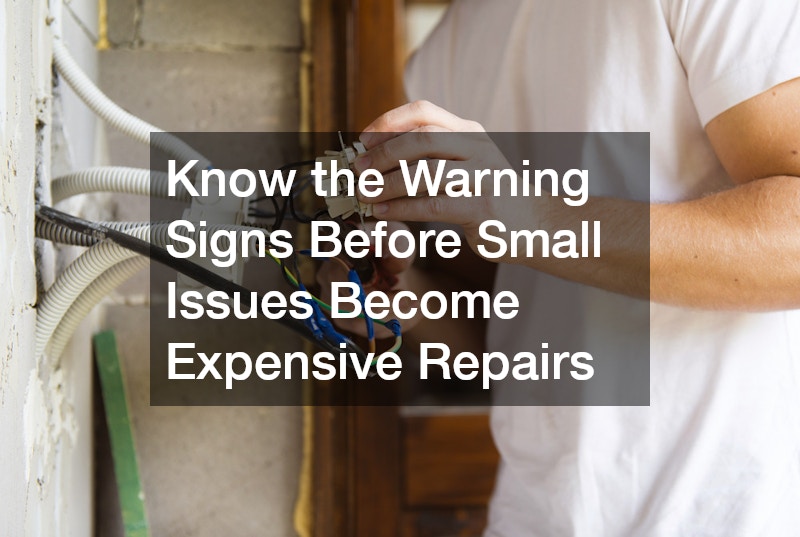
Many homeowners miss early warning signs simply because they don’t know what to look for. Recognizing these signals early can make the difference between a quick fix and a costly, time-consuming repair. Paying attention to changes in how your systems sound, perform, and operate day-to-day helps you stay ahead of bigger problems.
If your system starts making unusual noises—like banging, rattling, screeching, or whistling—it’s often a sign that something isn’t functioning properly. Loose components, worn belts, or restricted airflow can all create these sounds. Uneven temperatures between rooms may also point to duct issues, blocked vents, or failing internal parts. These are common indicators that furnace repair may be needed before the problem worsens and leads to a complete breakdown during peak usage.
Water-related issues can be just as subtle but equally serious. If your hot water runs out faster than usual, fluctuates in temperature, appears discolored, or has a metallic smell, it could point to sediment buildup or internal corrosion. These signs often indicate the need for water heater repair, and delaying service can result in tank leaks or total system failure.
Rising utility bills are another important red flag. When systems struggle to perform efficiently, they consume more energy to maintain the same level of comfort. Tracking your monthly costs and comparing them over time can help you quickly identify unusual spikes. Addressing inefficiencies early not only prevents further damage but also keeps your home running more efficiently overall.
Simple DIY Maintenance Tasks Every Homeowner Should Do Monthly
You don’t need to be an expert to keep your home systems in good shape. A few simple monthly tasks can go a long way in preventing bigger issues and helping your equipment run more efficiently over time.
Start with your drains. Regular drain cleaning helps prevent clogs, slow drainage, and unpleasant odors that can build up gradually. Hair, grease, soap residue, and food particles are common culprits, and addressing them early keeps pipes clear. In addition to using natural solutions like baking soda and vinegar or a gentle enzymatic cleaner, you can also flush drains with hot water weekly to help break down buildup before it hardens.
Next, perform a basic plumbing inspection around your home. Check under sinks for leaks, inspect visible pipes for corrosion, and ensure faucets aren’t dripping. Don’t forget to look around toilets and behind appliances like washing machines for any signs of moisture. Even small leaks can waste water and lead to mold or structural damage if left unaddressed. These small checks can catch minor issues before they escalate into costly repairs.
Air filters should also be replaced regularly—typically every 1–3 months depending on usage. Clean filters improve airflow, enhance efficiency, and reduce strain on your system. Additionally, keep vents and registers free from dust and obstructions like furniture or rugs to maintain proper circulation.
Consistency is key. Setting a recurring reminder for these tasks ensures they become part of your routine rather than an afterthought, making home maintenance feel manageable instead of overwhelming.
When to Call a Professional Instead of Fixing It Yourself
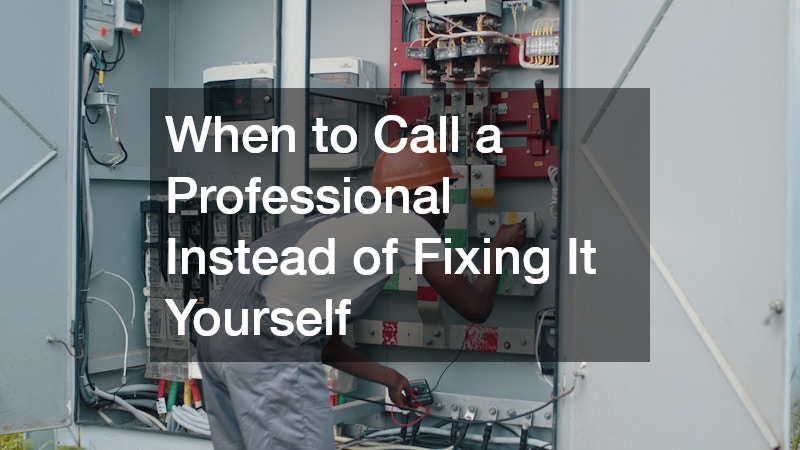
While DIY maintenance is valuable, there are times when calling in a professional is the safest and most cost-effective choice. Understanding where to draw that line can prevent unnecessary risks and long-term damage to your home.
Complex issues involving electrical components, gas lines, or major leaks should always be handled by experts. These systems are interconnected and sensitive, meaning a small mistake can quickly escalate into a serious hazard. Attempting to fix these problems yourself can be dangerous and may lead to further damage, including fire risks, gas exposure, or structural issues. Experienced HVAC contractors have the tools and knowledge to diagnose and resolve issues efficiently, often identifying underlying problems that aren’t obvious during a basic inspection.
Similarly, persistent plumbing problems—like recurring clogs, low water pressure, or unexplained water stains—often require the expertise of local plumbers. These professionals can identify root causes that aren’t immediately visible, such as pipe blockages deep within the system, mineral buildup, or hidden leaks behind walls. Without proper equipment, these issues are difficult to address effectively and may continue to worsen over time.
Another key factor is time and accuracy. Professionals can complete repairs correctly the first time, saving you from repeated attempts and additional costs. Knowing your limits is crucial. If a repair feels beyond your skill level or involves safety risks, it’s better to invest in professional help upfront rather than risk more expensive consequences later.
How to Keep Your Heating System Running Efficiently All Winter
Cold weather places a heavy demand on your system, making efficiency more important than ever. A few targeted steps can help maintain consistent performance throughout the season while also reducing strain on critical components.
Start by optimizing your thermostat settings. Lowering the temperature slightly when you’re asleep or away can significantly reduce energy usage without sacrificing comfort. Even a 5–8 degree adjustment for several hours a day can lead to noticeable savings. Programmable or smart thermostats make this process effortless by automatically adjusting temperatures based on your schedule, ensuring your home stays comfortable when needed without wasting energy.
Regular maintenance is equally important. Scheduling furnace repair services before winter ensures your system is ready for increased demand and helps identify worn or failing parts early. In addition to professional service, homeowners should replace air filters regularly, as clogged filters restrict airflow and force the system to work harder. Keeping vents clean and unobstructed also improves circulation and efficiency.
It’s also important to monitor overall system performance. If your home struggles to maintain a consistent temperature, it could indicate issues with heating and cooling balance, duct leaks, or insulation problems. Pay attention to unusual noises, frequent cycling, or uneven warmth between rooms. Addressing these problems early not only prevents breakdowns but also helps maintain comfort, extend system lifespan, and keep energy costs under control all season long.
Best Practices for Extending the Life of Your Water Heater

Your water heater plays a vital role in daily comfort, and proper care can significantly extend its lifespan.
One of the most effective maintenance steps is flushing the tank annually. This removes sediment buildup that can reduce efficiency and cause damage over time. Regular water heater service also includes checking the anode rod, which helps prevent corrosion inside the tank.
Temperature settings matter as well. Keeping your water heater at around 120°F balances safety and efficiency. Higher temperatures can increase energy costs and accelerate wear.
If you notice inconsistent hot water or unusual noises, it may be time to consider water heater repair. Addressing issues early can prevent leaks and extend the life of your unit.
Prevent Costly Emergencies with Annual Professional Inspections
Annual inspections are one of the best investments you can make in your home. These comprehensive evaluations go beyond what most homeowners can detect on their own.
A professional plumbing inspection can identify hidden leaks, pressure issues, and potential problem areas before they cause damage. Early detection not only saves money but also prevents disruptions to your daily routine.
On the HVAC side, experienced HVAC contractors can assess system performance, clean components, and ensure everything is operating safely. They can also recommend upgrades or adjustments to improve efficiency.
Think of annual inspections as preventative care for your home. Just like routine health checkups, they help catch issues early and keep everything running smoothly.
How to Improve System Efficiency and Lower Utility Bills
Improving efficiency doesn’t always require major upgrades. Small changes can have a significant impact on your energy usage and monthly costs.
Start by sealing air leaks around windows and doors. Proper insulation helps maintain indoor temperatures, reducing the workload on your system. This is especially important for optimizing HVAC repair outcomes and ensuring long-term performance.
Smart thermostats are another effective tool. They allow you to automate temperature adjustments based on your schedule, improving both comfort and efficiency.
Additionally, maintaining balanced heating and cooling throughout your home prevents overworking your system. Ensure vents are open and unobstructed, and consider zoning solutions if certain areas consistently feel too hot or cold.
Choosing Reliable Service Providers Without Getting Overcharged
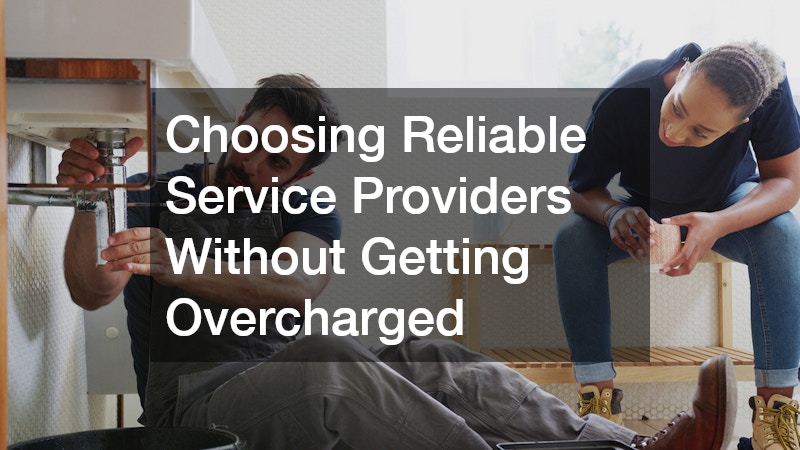
Finding the right professionals can make all the difference in maintaining your home efficiently and affordably.
Start by researching reviews and asking for recommendations. Reputable local plumbers and service providers should have a track record of satisfied customers and transparent pricing.
When evaluating options, look for proper licensing and insurance. This protects you in case of accidents or incomplete work. It’s also important to ask detailed questions about the scope of services, timelines, and costs.
For heating systems, choosing providers that specialize in furnace repair services ensures you’re working with experts who understand the nuances of your equipment. Clear communication and upfront estimates help you avoid unexpected expenses.
Taking the time to choose the right professionals can save you money and provide peace of mind in the long run.
Creating a Long-Term Home Maintenance Plan That Actually Works
A long-term plan helps you stay organized and prepared for both routine maintenance and unexpected repairs.
Start by setting an annual budget for upkeep. Allocating funds for services like water heater service ensures you’re not caught off guard when maintenance is needed. Planning ahead makes expenses more manageable.
Create a schedule that includes both monthly tasks and annual services. Incorporating regular drain cleaning into your routine helps prevent clogs and maintain system efficiency.
Digital tools like calendar reminders or home maintenance apps can help you stay on track. Keeping records of past repairs and inspections also provides valuable insight into your system’s performance over time.
Consistency is the foundation of a successful maintenance plan. By staying proactive and organized, you can extend the life of your home systems and avoid costly surprises.
Make Home Maintenance Simple, Predictable, and Cost-Effective
Maintaining your home’s essential systems doesn’t have to be complicated or time-consuming. With a proactive approach, consistent upkeep, and the right professional support when needed, you can prevent major issues and keep everything running efficiently. Small efforts made throughout the year add up to significant savings, improved comfort, and peace of mind—making it well worth the investment.